Quick answer: Before renting an asbestos waste bin in Burnaby, property owners should confirm that asbestos-containing materials have been properly identified, understand the expected waste volume, check site access and bin placement requirements, and arrange collection with a qualified waste management provider. Proper planning is essential because asbestos waste requires specialized handling, packaging, transportation and disposal. Whether a property is undergoing renovation, demolition or asbestos abatement, choosing the right bin and preparing the site can help prevent delays and support safer waste management.
Why Asbestos Waste Bin Planning Matters Before a Project Begins
Asbestos-containing materials can be found in older residential, commercial and industrial buildings. They may be present in insulation, drywall compounds, ceiling materials, flooring, roofing products and other building components.
When these materials are disturbed during renovation or demolition, asbestos fibres can become airborne and create serious health risks.
For Burnaby property owners, arranging an asbestos waste bin should be part of the project planning process rather than a last-minute decision.
Before booking, consider:
- Whether an asbestos assessment has been completed.
- Which materials have been identified as asbestos-containing.
- How much waste the project is expected to generate.
- Whether the site has suitable space for a dedicated waste bin.
- How asbestos waste will be packaged and prepared for collection.
- Whether the provider can accommodate the project’s collection schedule.
These checks help establish realistic rental requirements and reduce the possibility of unnecessary project interruptions.
1. Confirm That Asbestos-Containing Materials Have Been Identified
Before arranging a bin rental, property owners should understand exactly what materials will be removed from the building.
In British Columbia, buildings constructed before 1990 are more likely to contain asbestos, although asbestos-containing materials can also be found in some newer buildings.
A qualified asbestos survey or hazardous materials assessment can help identify materials that require specialized handling.
Common examples include:
- Asbestos-containing drywall joint compounds.
- Older vinyl floor tiles and associated flooring materials.
- Pipe and boiler insulation.
- Textured ceiling coatings.
- Roofing and siding materials.
- Certain cement-based building products.
Do not assume that a material is asbestos-free based on its appearance. Testing and assessment should be completed where required before renovation or demolition work begins.
2. Estimate the Amount of Asbestos Waste Your Project Will Generate
The amount of waste is one of the most important considerations when choosing a rental bin.
A small renovation may produce a limited quantity of asbestos-containing materials, while a commercial renovation or full building abatement project could generate considerably more waste.
Before booking, consider the following:
| Project Type | Waste Planning Considerations |
| Bathroom renovation | Flooring, drywall compounds and other identified materials |
| Kitchen renovation | Wall materials, flooring and affected building components |
| Commercial renovation | Larger quantities of ceiling, insulation and drywall materials |
| Building demolition | Multiple asbestos-containing materials requiring coordinated removal |
| Mechanical upgrades | Pipe insulation, boiler insulation and related materials |
An accurate waste estimate helps determine the appropriate bin size and collection arrangements.
Avoid filling a bin beyond its approved capacity or placing materials in it that have not been accepted by the waste management provider.
3. Check the Bin Size and Waste Acceptance Requirements
Not every waste bin is suitable for asbestos-containing materials. Property owners should confirm that the rental provider can supply a bin arrangement appropriate for the specific asbestos waste being generated.
Before booking, ask about:
- Available bin sizes and capacity limits.
- Whether the bin is designated for asbestos waste.
- Approved packaging and containment requirements.
- Whether the provider accepts the specific asbestos-containing materials.
- Restrictions on mixing asbestos waste with other construction debris.
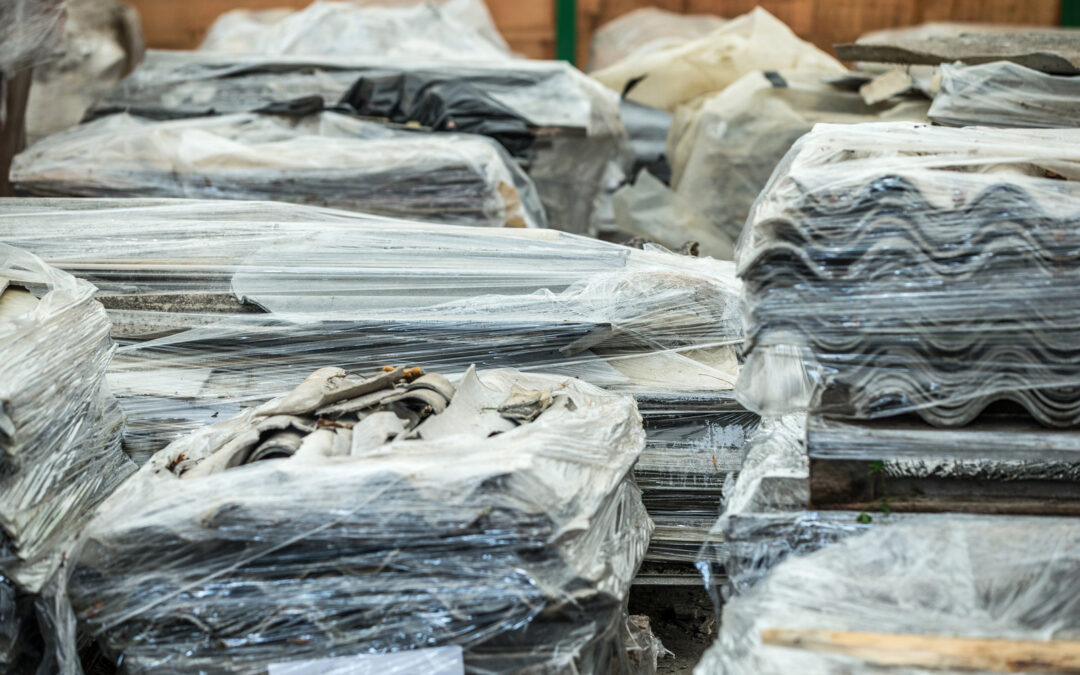
In British Columbia, waste asbestos must be properly contained during handling, storage and transportation. Approved methods include sealed double 6-mil plastic bags or other permitted containment techniques, depending on the material and circumstances.
Important: A bin rental does not replace the required asbestos packaging or abatement procedures. The removal contractor and waste management provider should coordinate these requirements before work begins.
4. Evaluate the Property’s Access and Bin Placement
The physical layout of a property can affect where an asbestos waste bin can be positioned and how easily it can be collected.
Burnaby property owners should check:
- Available space: Is there enough room for the bin without blocking essential access?
- Vehicle access: Can the collection vehicle safely enter and exit the property?
- Ground conditions: Is the placement area stable and suitable for the expected bin load?
- Building entrances: Will the bin interfere with emergency exits, loading areas or pedestrian routes?
- Neighbouring properties: Could the placement affect shared driveways or nearby businesses?
- Collection clearance: Is there sufficient room for delivery and pickup?
For properties with narrow driveways, limited parking or shared access, it is particularly important to discuss placement arrangements before confirming the rental.
5. Understand Asbestos Packaging and Site Safety Requirements
Asbestos waste requires more attention than ordinary renovation debris. Improper handling can release fibres into the surrounding environment.
British Columbia’s Hazardous Waste Regulation outlines specific containment requirements for waste asbestos. Depending on the material and approved method, this can include:
- Double-bagging in sealed 6-mil plastic bags.
- Using a sealed plastic bag inside a suitable non-reusable drum.
- Using approved wet containment in a sealed, non-leaking drum or equivalent.
The outside of waste containers must also be handled according to applicable requirements. WorkSafeBC requires asbestos waste to be placed in sealed, labelled containers and their exterior cleaned before removal from a designated work area.
Property owners should coordinate these procedures with qualified asbestos abatement professionals rather than attempting to remove or package asbestos materials themselves.
6. Confirm Transportation, Documentation and Disposal Arrangements
Renting an asbestos waste bin is only one part of the disposal process. Property owners should also understand what happens after the bin is filled.
Before confirming a booking, ask the provider:
- Who is responsible for transporting the asbestos waste?
- Is the transporter authorized and licensed where required?
- Which receiving facility will accept the waste?
- Are shipping documents or waste manifests required?
- Will disposal documentation be provided?
- Is transportation included in the rental arrangement?
In BC, anyone transporting more than 5 kg of waste asbestos generally requires a waste asbestos transportation licence and must use the applicable manifest, subject to regulatory exemptions. Waste must go to an appropriately authorized receiving facility.
These details are particularly important for commercial, industrial and multi-unit property projects, where homeowner-specific exemptions may not apply.
7. Choose a Waste Management Provider That Understands Asbestos Disposal
The provider you choose should understand the additional requirements associated with asbestos waste collection and disposal.
Before making a booking, Burnaby property owners should consider whether the provider:
- Offers dedicated asbestos waste bin rental services.
- Understands applicable BC hazardous waste requirements.
- Can explain acceptable waste types and packaging arrangements.
- Provides transportation and disposal coordination.
- Can accommodate the project’s expected collection schedule.
- Offers clear information about rental and disposal costs.
Choosing a provider with experience in asbestos waste management can make it easier to coordinate waste removal with renovation, demolition and abatement schedules.
Why Proper Asbestos Waste Bin Rental Planning Matters in Burnaby
A well-planned bin rental can help property owners avoid unnecessary delays, manage renovation debris responsibly and maintain better control over asbestos waste.
Whether you are renovating an older home, updating a commercial building or coordinating a larger demolition project, the right preparation makes a difference.
Before scheduling an Asbestos Waste Bin Rental Burnaby, confirm the waste type, estimated quantity, containment requirements, site access and collection arrangements.
Property owners should also remember that asbestos identification and removal must be handled through the appropriate qualified professionals. A waste bin is intended for properly prepared waste, not for carrying out asbestos removal work.
Arrange Asbestos Waste Bin Rental in Burnaby with Canadian Empire Recycling & Disposal
Planning an asbestos removal or renovation project? Canadian Empire Recycling & Disposal provides asbestos waste disposal and bin rental services for residential, commercial and industrial projects in Burnaby.
Whether you need a bin for renovation debris, asbestos-containing building materials or a larger abatement project, discuss your waste type, estimated volume and site requirements before booking.
Contact Canadian Empire Recycling & Disposal at (604) 889-2377 to discuss your project requirements, request a free quote and arrange suitable asbestos waste bin rental and disposal services in Burnaby.