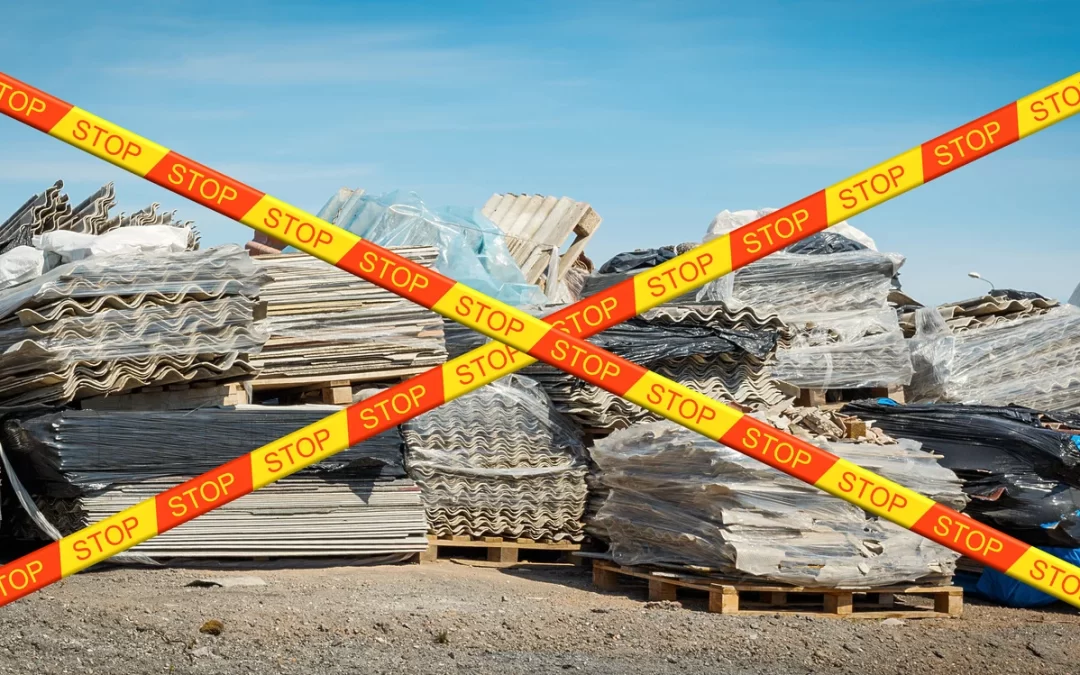
When asbestos-containing materials are removed from your home or job site, you might think the danger is over once the waste is collected. However, the process of handling, transporting, and disposing of asbestos waste is far from simple and for good reason.
Asbestos is a highly hazardous material that, when disturbed, can release microscopic fibers into the air. These fibers, if inhaled, can cause serious health conditions such as asbestosis, lung cancer, and mesothelioma. That’s why every step of the asbestos disposal process, from collection to final containment, must follow strict safety regulations.
This blog explains what really happens to asbestos waste after it leaves your property and how professional Asbestos Waste Disposal Burnaby services ensure it’s managed safely and legally.
Step 1: Careful Collection and Containment
Before asbestos waste even leaves the property, it undergoes proper containment. Certified removal teams seal all asbestos debris in specially approved, double-layered plastic bags or containers that are clearly labeled as hazardous.
This step is crucial it prevents the release of fibers during handling and transportation. The waste is then carefully loaded into sealed containers or bins designed specifically for hazardous materials. Any loose materials, dust, or contaminated protective gear are included to avoid secondary contamination.
Licensed disposal professionals wear full protective equipment throughout this process, ensuring that both the workers and the surrounding environment remain safe.
Step 2: Secure Transportation to Licensed Facilities
Once the asbestos waste is securely packaged, it’s transported to a licensed hazardous waste transfer station or disposal site. Only vehicles approved for transporting hazardous waste are used; these trucks are equipped with sealed compartments and leak-proof liners.
In Burnaby, all asbestos waste transportation must comply with the BC Ministry of Environment and Climate Change Strategy’s regulations. The waste is tracked from the point of collection to the disposal site using a manifest system, ensuring accountability and transparency at every step.
During transit, routes are planned to minimize public exposure and avoid densely populated areas whenever possible.
Step 3: Weighing and Documentation at the Facility
When the truck arrives at a designated transfer or disposal facility, the asbestos waste is first weighed and logged. The manifest documentation is checked to confirm the source, quantity, and packaging details.
Accurate recordkeeping is a major part of the process — it ensures that no asbestos waste goes untracked and that everything is handled in compliance with provincial laws. Facilities maintain these records for several years to support environmental monitoring and reporting requirements.
Step 4: Sorting and Inspection (Without Disturbance)
At the facility, asbestos waste is never opened, sorted, or disturbed. Instead, containers are visually inspected for damage or leaks to ensure they remain sealed. If a bag or container appears compromised, it is safely overpacked before disposal.
Unlike other forms of construction waste that might be recycled or repurposed, asbestos cannot be reused in any form. Its hazardous nature means it must be permanently isolated from the environment to prevent contamination.
Step 5: Final Disposal in a Secure Landfill
The final destination for asbestos waste is a licensed hazardous waste landfill. These facilities are specially engineered to contain toxic materials like asbestos and prevent them from leaching into soil or groundwater.
At the landfill, the sealed asbestos containers are carefully placed in designated cells lined with impermeable barriers. Once filled, the area is covered with several layers of soil and other protective materials. This process ensures the asbestos fibers remain permanently trapped and cannot escape into the air or water system.
Disposal sites are regularly inspected by environmental authorities to confirm that all safety and containment protocols are being followed.
Step 6: Environmental Monitoring and Long-Term Safety
Even after burial, asbestos waste sites are subject to long-term environmental monitoring. Sensors and inspection routines ensure there are no leaks, cracks, or ground shifts that could compromise containment.
This long-term oversight is what makes asbestos disposal safe for both the community and the ecosystem. It’s a continuous commitment, one that ensures asbestos never returns to harm the public.
Step 7: The Role of Hazardous Waste Disposal
Proper asbestos disposal doesn’t happen in isolation; it’s part of a larger network of waste management practices. Licensed Hazardous Waste Disposal Burnaby services handle not just asbestos, but also chemicals, lead paint, contaminated soil, and other dangerous materials that require regulated handling.
By choosing professionals who specialize in hazardous waste management, you’re ensuring every step from pickup to landfill meets local safety and environmental standards.
Why Professional Handling Is Essential
DIY asbestos disposal or unlicensed removal is not only illegal in British Columbia but also highly dangerous. Improper handling can release airborne fibers and contaminate your home, vehicle, or neighborhood.
Certified asbestos removal and disposal companies follow stringent WorkSafeBC and Environmental Management Act guidelines to ensure public safety and compliance. They also protect property owners from hefty fines and liability associated with improper disposal.
When in doubt, always contact professionals for inspection and safe removal rather than trying to handle asbestos on your own.
Choose Responsible Asbestos Waste Disposal
Asbestos waste disposal is a highly regulated process that prioritizes health, safety, and environmental protection. From sealed packaging to monitored landfill containment, every stage is carefully controlled to eliminate risks.
If you need trusted asbestos or hazardous waste, turn to Canadian Empire Recycling. Their certified team specializes in safe, compliant waste handling, ensuring your asbestos debris is managed responsibly from pickup to disposal.
Contact Canadian Empire Recycling to schedule professional asbestos waste collection and keep your property and community safe.