Many older homes in Burnaby and across British Columbia were built before the dangers of asbestos were widely recognized. Asbestos, once valued for its heat resistance and durability, was commonly used in insulation, flooring, roofing, and other construction materials. While it served as a reliable building material for decades, we now know that exposure to fibers can pose serious health risks.
If you live in an older home or are planning renovations, it’s essential to understand how to identify the risks it poses and how to manage its disposal safely. This guide covers everything homeowners need to know about asbestos in older homes, including Waste Disposal and Hazardous Waste considerations.
1. What Is Asbestos?
Asbestos is a group of naturally occurring minerals made of fine, durable fibers. It was widely used in construction for its:
- Heat and fire resistance
- Strength and durability
- Insulating properties
- Soundproofing capabilities
In homes built before the 1990s, asbestos may be found in:
- Pipe insulation
- Vinyl floor tiles and backing
- Popcorn ceilings and textured wall finishes
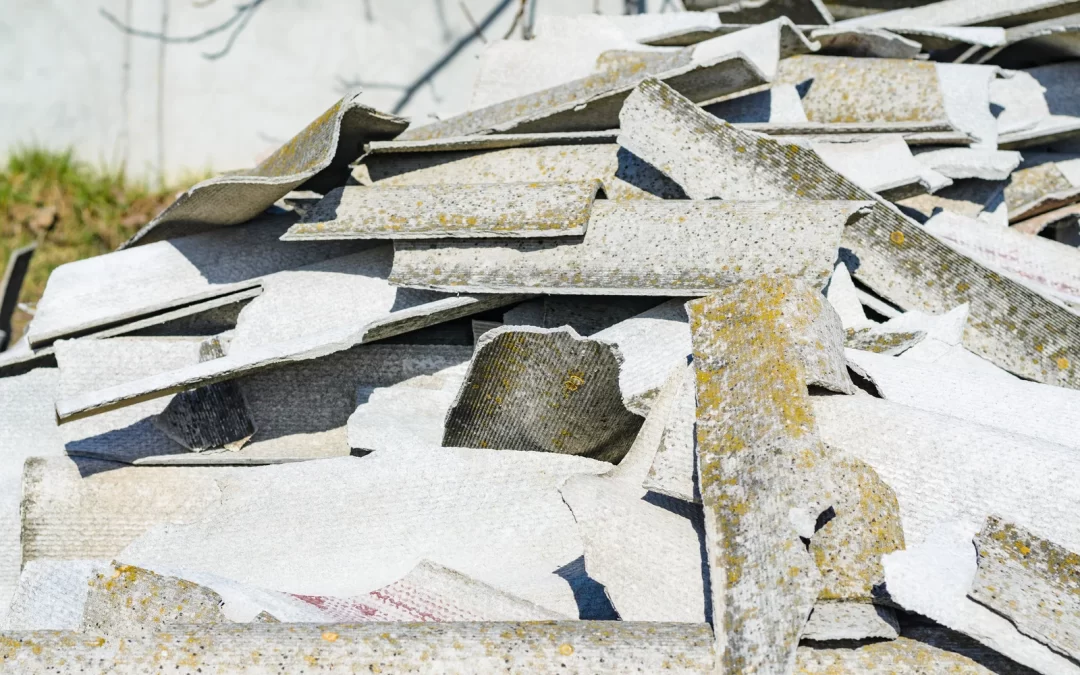
- Roofing shingles and siding
- Cement sheets and ceiling tiles
While intact materials are generally considered low-risk, any disturbance—such as during renovation, demolition, or even minor repairs can release dangerous fibers into the air.
2. Health Risks of Asbestos Exposure
Inhaling fibers can lead to serious, often fatal health conditions. Symptoms may take years or even decades to appear. Common risks include:
- Asbestosis: A chronic lung disease caused by scar tissue formation, leading to difficulty breathing.
- Mesothelioma: A rare and aggressive cancer affecting the lining of the lungs, abdomen, or heart.
- Lung Cancer: Risk increases with prolonged exposure, especially for smokers.
Because asbestos-related illnesses develop slowly, prevention is the most critical step. Homeowners must avoid disturbing materials containing and follow strict safety protocols.
3. Identifying Asbestos in Your Home
Identifying asbestos requires careful inspection, as it is not visible to the naked eye. Key signs include:
- Homes built before the 1990s with original construction materials
- Popcorn or textured ceilings
- Insulation around pipes or boilers
- Vinyl flooring or backing materials
- Older siding and roofing shingles
Professional asbestos testing is strongly recommended before starting any renovation. Certified inspectors can safely take samples, determine the presence of asbestos, and advise on the best course of action.
4. Safe Management and Removal
If asbestos is identified in your home, the safest approach is to hire licensed waste removal professionals. Attempting to remove asbestos yourself is extremely risky and can spread fibers throughout your home.
Professional removal typically involves:
- Inspection and Testing: Accurately identifying asbestos-containing materials.
- Containment: Isolating areas to prevent fiber spread.
- Removal: Using specialized equipment and techniques to safely extract.
- Disposal: Transporting and disposing of at approved facilities.
For homeowners in Burnaby, Asbestos Waste Disposal Burnaby requires compliance with provincial and municipal regulations to prevent environmental contamination.
5. Legal and Environmental Considerations
Asbestos is classified as hazardous waste in British Columbia. Improper handling or disposal can result in serious fines, environmental harm, and health risks. Key rules include:
- Following WorkSafeBC guidelines for handling and worker safety.
- Using licensed contractors for removal and disposal.
- Ensuring materials are packaged, labeled, and transported to approved facilities.
Professional companies are well-versed in these regulations, reducing liability and ensuring the safety of both your household and the environment.
6. Renovation Planning with Asbestos in Mind
If you are planning home renovations in Burnaby, integrate waste management into your project plan:
- Schedule inspection and removal before any demolition or construction work.
- Inform contractors about known locations.
- Allow time for proper removal and air clearance testing before proceeding.
By prioritizing safety, you can avoid costly delays and potential health hazards during your renovation.
7. Encapsulation as an Alternative
In some cases, materials in good condition may not need removal. Professionals may recommend encapsulation, which seals the material to prevent fibers from becoming airborne.
Encapsulation is suitable for:
- Intact vinyl flooring
- Ceilings or walls not being disturbed
- Pipe insulation that won’t be altered
This approach can save costs while keeping the home safe, especially if the asbestos is not disrupted during renovations.
8. Choosing the Right Disposal Solution
Safe disposal is critical. In Burnaby, Hazardous Waste Disposal Burnaby regulations require that asbestos be handled at licensed facilities. This ensures:
- Materials are packaged and labeled correctly
- Transportation meets legal safety standards
- Disposal prevents environmental contamination
For homeowners seeking professional and safe handling, we provide reliable services for waste and other hazardous materials in Burnaby. Their team ensures all protocols are followed, protecting both your home and the environment.
9. Renovate Safely and Confidently
Once it has been professionally managed and disposed of, you can confidently proceed with your renovations. Whether updating flooring, walls, or adding new living spaces, your home can be transformed safely.
Partnering with Canadian Empire Recycling not only ensures safe Asbestos Waste Disposal Burnaby but also gives peace of mind during your renovation. Their expertise in hazardous waste disposal makes them a trusted choice for homeowners looking to upgrade their older homes safely.
Managing junk in older homes is critical for safety, legal compliance, and successful renovations. Start with a professional inspection, follow proper removal and disposal procedures, and always work with licensed experts.
For Burnaby homeowners, contact Canadian Empire Recycling for a reliable partner for safe handling, disposal, and hazardous waste management. With professional support, your renovation project can be both beautiful and safe.