
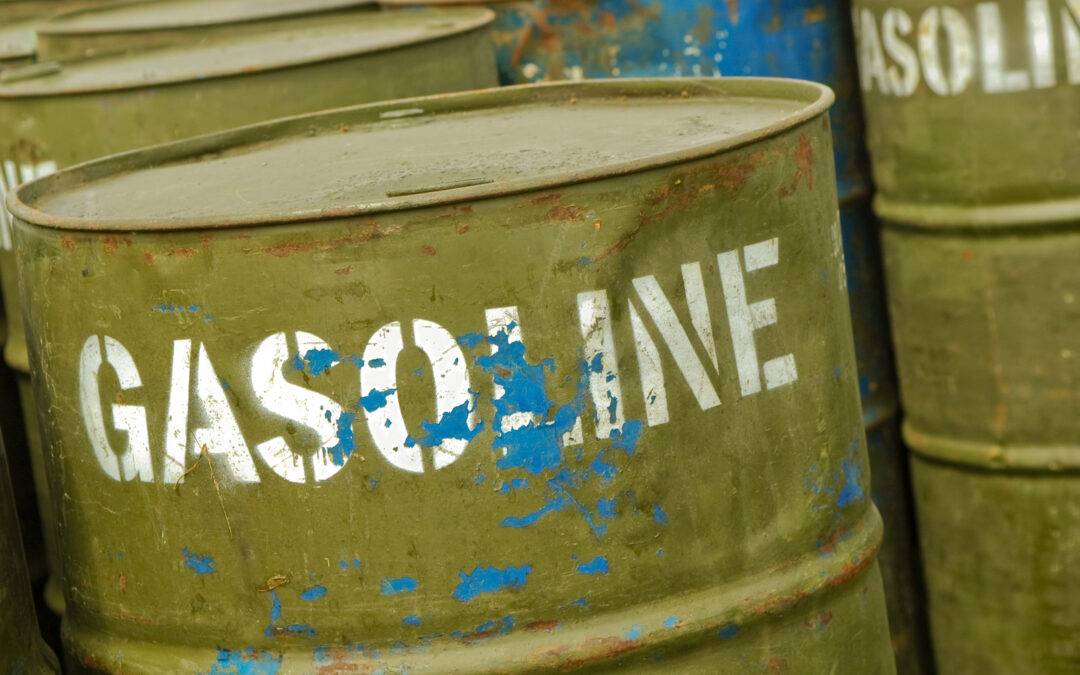
Quick answer: Abbotsford businesses can prevent gasoline spills by using suitable fuel-storage containers, maintaining designated storage areas, controlling ignition sources and inspecting stored fuel regularly. Keeping gasoline separate from incompatible hazardous materials and arranging timely disposal also helps reduce workplace risks. A consistent storage and handling procedure can protect employees, commercial properties and the surrounding environment.
Gasoline is commonly used by construction companies, automotive workshops, landscaping businesses and industrial facilities. However, leftover fuel from equipment maintenance, vehicle servicing or seasonal operations can become a serious storage concern when it is not managed properly.
A damaged container, loose cap or poorly organized storage area can cause gasoline to leak, release dangerous vapours or create a fire hazard. For businesses looking into Gasoline Disposal Abbotsford, preventing spills should be part of the overall hazardous waste management process.
Understanding how to store, inspect and manage unwanted gasoline can help businesses avoid preventable incidents and maintain safer workplaces.
Why Is Gasoline Spill Prevention Important for Abbotsford Businesses?
Gasoline is highly flammable and produces vapours that can ignite when exposed to an ignition source. Even a relatively small spill can create safety concerns, particularly in enclosed or poorly ventilated areas.
Improper gasoline storage can result in several problems:
- Fire and ignition hazards: Fuel vapours can ignite near sparks, open flames, welding equipment or other ignition sources.
- Employee exposure: Workers may inhale gasoline vapours or come into direct contact with spilled fuel.
- Environmental contamination: Gasoline entering soil, storm drains or nearby waterways can cause environmental damage.
- Equipment and property damage: Leaking fuel can affect floors, machinery, stored materials and surrounding work areas.
- Additional cleanup requirements: Uncontrolled spills may require specialized cleanup and appropriate waste management.
These risks make proper gasoline storage particularly important for businesses that regularly handle fuels, solvents and other hazardous materials.
7 Ways to Prevent Gasoline Spills During Hazardous Waste Storage
1. Use Suitable Containers for Gasoline Storage
Choosing the right container is one of the most important steps in preventing fuel leaks. Gasoline should be stored in suitable, approved containers designed for fuel storage.
Businesses should avoid using ordinary plastic bottles, open buckets or containers that previously held unrelated chemicals.
Before storing gasoline, check that:
- The container is designed for gasoline storage.
- The cap and closure fit securely.
- There are no visible cracks, corrosion or damaged seams.
- The container is clearly labelled.
- The container is not filled beyond its permitted capacity.
Damaged containers should be removed from service and managed through an appropriate safety procedure. Employees should never attempt makeshift repairs or transfer leaking gasoline without proper training and equipment.
2. Maintain a Designated Gasoline Storage Area
Keeping gasoline beside workbenches, electrical equipment or general maintenance supplies can increase the likelihood of accidental damage.
Businesses should establish a designated storage area that meets applicable workplace and fire-safety requirements.
The storage area should have:
- Adequate ventilation to prevent dangerous vapour accumulation.
- Appropriate warning signs and access controls.
- Protection against accidental impacts from vehicles or equipment.
- Suitable containment arrangements.
- Separation from ignition sources and incompatible substances.
- Clear access for authorized employees.
WorkSafeBC’s Occupational Health and Safety Regulation provides requirements for hazardous substance storage, including ventilation, identification and appropriate containment.
Businesses can review the WorkSafeBC Occupational Health and Safety Regulation when developing their workplace storage procedures.
3. Keep Gasoline Away From Ignition Sources
A secure container alone does not eliminate gasoline-related fire risks. Businesses must also control potential ignition sources around storage and handling areas.
Common ignition sources include:
- Smoking materials and open flames.
- Welding and cutting equipment.
- Sparks from machinery or electrical equipment.
- Hot vehicle exhaust systems.
- Static discharge during fuel handling.
Employees should know where gasoline disposal Abbotsford can be handled and which activities must be restricted nearby.
Establishing clear no-smoking rules, controlling hot work, and following appropriate fuel-handling procedures can reduce the risk of accidental ignition.
4. Store Gasoline Separately From Other Hazardous Waste
Commercial facilities often generate several types of hazardous waste during daily operations. Automotive businesses may handle used oil and solvents, while construction companies may also generate paint waste, adhesives and chemical residues.
Combining different materials can make identification, handling and disposal more complicated.
Businesses should:
- Keep gasoline in its own clearly identified container.
- Separate incompatible chemicals and waste streams.
- Avoid mixing gasoline with used oil, solvents or cleaning products.
- Maintain an updated record of stored hazardous materials.
- Consult safety information before storing unfamiliar substances together.
Proper separation helps employees identify materials more easily and supports safer hazardous waste collection arrangements.
5. Inspect Containers and Storage Areas Regularly
Routine inspections help identify small storage problems before they become serious incidents.
For example, a damaged cap may allow fuel vapours to escape, while a cracked container can release gasoline onto the floor.
During inspections, employees should check:
- Container surfaces for cracks, corrosion or damage.
- Caps and closures for looseness or deterioration.
- Labels for missing or unreadable information.
- Storage areas for visible leaks, stains or unusual odours.
- Containment systems for signs of damage.
- Surrounding areas for potential ignition sources.
Businesses should assign inspection responsibilities to trained employees and maintain records of identified problems and corrective actions.
6. Prepare a Workplace Gasoline Spill Response Procedure
A business should have a clear procedure explaining what employees must do if gasoline leaks or spills.
Workers should know how to recognize a potential spill, notify the responsible supervisor and keep others away from the affected area.
A workplace spill response procedure should identify:
- Who must be notified when a spill occurs.
- How employees should restrict access to the affected area.
- When evacuation is necessary.
- How emergency services should be contacted.
- Which trained personnel are authorized to manage the incident.
Employees should never wash gasoline into floor drains, storm drains or surrounding soil. They should also avoid using ordinary vacuums, household fans or equipment that could create an ignition source near fuel vapours.
For a significant spill, dangerous vapour buildup or immediate fire risk, employees should move away and contact emergency services.
7. Arrange Timely Disposal of Unwanted Gasoline
Keeping unused gasoline in storage for extended periods can create unnecessary risks and take up valuable workplace space.
Businesses should identify fuel that is no longer required and arrange appropriate disposal instead of allowing unwanted gasoline to accumulate.
Common examples include:
- Leftover gasoline from construction and landscaping projects.
- Contaminated fuel removed during equipment maintenance.
- Unused gasoline from vehicle servicing.
- Fuel that is no longer suitable for its intended use.
Businesses should keep unwanted fuel in an appropriate closed container, identify the material and contact a qualified waste management provider to confirm acceptance, packaging and collection requirements.
Planning Hazardous Waste Disposal Abbotsford before unwanted fuel accumulates helps businesses maintain organized storage areas and improve their waste management procedures.
What Should Businesses Do When a Gasoline Container Starts Leaking?
A leaking gasoline container should be treated as a potential fire and exposure hazard. Employees should not attempt an unfamiliar cleanup or transfer fuel from a damaged container without appropriate training.
The response depends on the amount of gasoline released and the conditions at the site.
If a container has a damaged cap or closure: Restrict access and follow the workplace’s safe handling procedure.
If employees notice a strong gasoline smell: Move away from the affected area and notify the responsible supervisor. Treat strong vapour buildup as a potential emergency.
If gasoline is visibly leaking: Keep people away and activate the workplace spill response procedure.
If gasoline reaches a drain or surrounding soil: Seek appropriate emergency and environmental assistance immediately.
If there is a large spill or immediate fire danger: Evacuate the affected area and contact emergency services.
The most important priority is protecting people from exposure and ignition risks. Only appropriately trained personnel should undertake spill response activities using suitable equipment and procedures.
How Can Abbotsford Businesses Improve Their Hazardous Waste Management Process?
Gasoline spill prevention works best when it is connected to a broader hazardous waste management system.
Businesses can improve their procedures through a few consistent practices:
Identify waste materials: Maintain an inventory of unwanted gasoline and other hazardous materials generated during business operations.
Monitor storage conditions: Check containers, closures, labels and designated storage areas regularly.
Assign employee responsibilities: Make sure trained staff understand storage requirements and reporting procedures.
Keep waste streams separate: Avoid combining gasoline with other liquids or incompatible chemicals.
Plan collection in advance: Contact a suitable hazardous waste provider before unwanted fuel becomes difficult to manage.
Maintain disposal records: Keep relevant collection and waste management documentation for business records.
British Columbia also has hazardous waste generator and facility registration requirements for certain activities and quantities. Businesses should review the BC Government’s hazardous waste registration guidelines to understand which requirements apply to their operations.
For household gasoline, the City of Abbotsford provides separate recycling depot instructions, including approved container requirements and quantity limits. Commercial businesses should confirm their own collection arrangements rather than assume household depot rules apply to business waste.
Arrange Responsible Gasoline Disposal in Abbotsford
Preventing gasoline spills requires more than choosing the right storage container. Businesses also need a reliable process for identifying unwanted fuel, keeping hazardous materials separate and arranging appropriate collection.
Canadian Empire Recycling & Disposal provides hazardous waste management services for residential, commercial and industrial customers. Gasoline and diesel are among the fuel and solvent wastes listed by the company.
Whether your business operates an automotive workshop, construction site, landscaping company or industrial facility, managing unwanted gasoline properly can help support a safer and more organized workplace.
Contact Canadian Empire Recycling & Disposal to discuss your gasoline disposal requirements, confirm collection arrangements and find out how to manage unwanted fuel responsibly in Abbotsford.
Frequently Asked Questions
What type of container should businesses use for gasoline storage?
Businesses should use suitable approved containers specifically designed for gasoline. Ordinary plastic bottles, open buckets and containers previously used for unrelated chemicals are not appropriate substitutes. Containers should remain securely closed, clearly identified and in good condition.
Can businesses store gasoline with used oil and other hazardous waste?
Gasoline should be kept separate from incompatible hazardous materials, including other chemicals and waste liquids. Mixing materials can complicate identification, safe handling and disposal. Businesses should follow applicable compatibility and storage requirements.
What should employees do if gasoline spills at a commercial property?
Employees should keep people away from the affected area, notify the responsible supervisor and follow the workplace spill response procedure. If the spill creates significant vapour buildup, fire risk or immediate danger, workers should evacuate and contact emergency services.
Where can businesses arrange gasoline disposal in Abbotsford?
Businesses should contact a hazardous waste management provider to confirm whether the gasoline can be accepted and to discuss packaging, quantities and collection requirements. Canadian Empire Recycling & Disposal lists gasoline and diesel among the fuel and solvent wastes it handles. Businesses can call 604-889-2377 to discuss their disposal needs.