
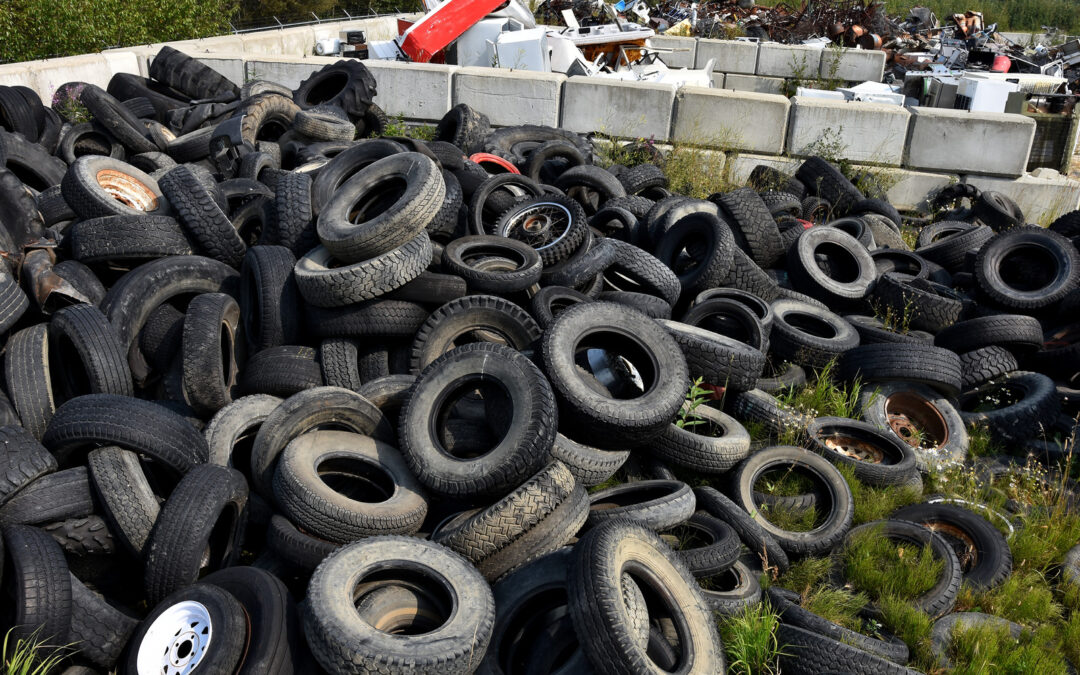
Quick answer: Abbotsford businesses with large quantities of used tires can contact Canadian Empire Recycling & Disposal to discuss commercial tire recycling requirements. Automotive workshops, fleet operators, equipment yards and industrial facilities can benefit from a planned recycling process that keeps discarded tires organised and directs them toward material recovery. Before arranging a bulk load, businesses should confirm tire types, quantities, and collection requirements with the recycling team.
Why Do Abbotsford Businesses Need a Bulk Tire Recycling Plan?
Used tires can accumulate quickly at automotive repair shops, tire retailers, commercial transport yards and industrial facilities. Replacing damaged tires, maintaining delivery vehicles and servicing heavy equipment can generate more waste than a business can conveniently manage through occasional disposal.
Leaving tires in storage areas for extended periods can consume valuable space, obstruct vehicle movement and create fire-safety concerns. A structured recycling plan helps businesses manage these materials more efficiently while supporting responsible resource recovery.
For companies looking for Tires Recycling Abbotsford, the priority should be finding a suitable recycling solution for their tire volumes and operational needs rather than treating old tires as ordinary garbage.
A bulk recycling plan can help businesses:
- Keep workshops and equipment yards organised.
- Reduce the accumulation of unwanted tires.
- Establish a consistent process for managing end-of-life tires.
- Support waste-reduction and sustainability initiatives.
- Identify opportunities to recover useful rubber materials.
Where Can Abbotsford Businesses Recycle Used Tires in Bulk?
Canadian Empire Recycling & Disposal offers tire recycling services in Abbotsford for businesses managing different types of discarded tires. The company lists passenger vehicles, trucks, forklifts, cranes, street sweepers and other vehicle or equipment categories among the tires it recycles.
Businesses generating substantial quantities of used tires can contact the company to discuss their requirements and obtain a quote.
Before arranging a load, prepare the following information:
Estimated tire quantity: Count the tires or provide an approximate volume so the recycling team can understand the scale of the job.
Tire categories: Identify whether the load contains car tires, truck tires, forklift tires or specialty industrial tires.
Tire dimensions: Mention unusually large or heavy tires that may require specific handling arrangements.
Collection requirements: Explain whether the tires are stored at a repair shop, fleet yard, warehouse or industrial facility, and confirm the available collection options.
Additional materials: Identify any tires contaminated with oil, chemicals or other substances so the appropriate handling requirements can be assessed.
Providing these details makes it easier to discuss a suitable recycling arrangement before moving the materials.
Which Types of Used Tires Can Businesses Recycle?
Commercial facilities do not all generate the same type of tire waste. A vehicle repair shop may primarily handle passenger tires, while a transport company or industrial yard may accumulate large truck and equipment tires.
Broad range of tire categories on its Abbotsford service page, including:
- Passenger car and SUV tires
- Truck and utility vehicle tires
- Forklift tires
- Dump truck tires
- Fire truck and rescue vehicle tires
- Street sweeper tires
- Crane tires
- Container-handler tires
- Tow tractor tires
- Bicycle tires
- Aircraft tires
The suitability of a particular load can depend on tire size, construction and handling requirements. Businesses should provide an accurate description of their tires when requesting service, especially when the load includes oversized or specialised equipment tires.
Separating different tire categories in advance can also help with inventory tracking and collection planning.
How Should Businesses Prepare Tires for Recycling?
Preparing used tires before collection can improve site organisation and reduce avoidable delays. Businesses can follow a few practical steps.
1. Create a Dedicated Tire Storage Area
Keep discarded tires in a designated area away from entrances, emergency exits, busy vehicle routes and ignition sources. Stack them securely and avoid creating unstable piles.
2. Separate Tires from Other Waste
Keep tires apart from scrap metal, general garbage, oil containers and unrelated materials. If tires are visibly contaminated, identify them separately and inform the recycling provider.
3. Record Quantities and Tire Types
Maintain a simple inventory showing the number of tires generated, their approximate sizes and the department or vehicles they came from. This can help businesses estimate their future recycling needs.
4. Confirm Loading Requirements
Ask whether tires must be removed from rims and whether special equipment is required for heavy or oversized tires. Confirm access requirements and collection arrangements before preparing the load.
5. Establish a Recurring Process
Businesses that regularly replace vehicle or equipment tires should review how quickly their stock accumulates. A planned collection arrangement can help prevent storage areas from becoming overcrowded.
These steps help create a repeatable system rather than dealing with tire waste only when space becomes limited.
What Happens to Tires After Recycling?
Used tires contain rubber, steel and other materials that may be recovered through appropriate processing. Depending on the tire type and processing method, recovered materials can be used to manufacture a variety of products.
Examples include:
- Crumb rubber for selected manufacturing applications
- Rubber mulch and rubber mats
- Playground and sports surfaces
- Rubber-modified asphalt
- Flooring and anti-fatigue mats
- Industrial components and protective barriers.
Recycling helps keep valuable resources in circulation and can reduce the amount of discarded tire material sent to landfill. For businesses managing recurring tire waste, this provides a practical way to support broader waste-reduction goals.
How Does Tire Recycling Fit into a Commercial Waste Management Plan?
Tire recycling is one part of a wider commercial waste management strategy. Businesses may generate many different waste streams through routine operations, including packaging, scrap materials, used oils and other maintenance-related products.
Each material should be assessed separately because its recycling options and handling requirements can differ.
For example, a fleet maintenance facility may need one process for discarded tires and another for used oil or chemical containers. Combining these materials without checking their requirements can complicate storage and collection.
Businesses reviewing their overall waste practices can consult the Government of British Columbia’s recycling locations and product guidance. This official resource explains recycling options for different products, including tires, oils, paints and other materials.
It is important to distinguish ordinary used tires from hazardous waste disposal Abbotsford. Tires are not automatically classified as hazardous waste simply because they are discarded. However, contamination or the presence of other regulated materials may require additional assessment and appropriate handling.
For businesses generating multiple waste streams, identifying each material correctly helps establish a more organised and responsible waste management process.
How Can Abbotsford Businesses Make Tire Recycling More Efficient?
A well-managed tire recycling process begins before the collection is scheduled. Businesses can improve efficiency by monitoring tire generation, assigning responsibility for storage and keeping basic records of recycling activity.
Consider these practical measures:
- Track monthly volumes: Record how many tires are removed from vehicles or equipment each month.
- Review storage capacity: Identify when the designated area is approaching its safe capacity.
- Standardise staff procedures: Give employees clear instructions for separating and storing used tires.
- Plan around maintenance schedules: Anticipate periods when fleet servicing or seasonal tire changes may increase volumes.
- Keep service records: Save quotes, invoices, collection dates and relevant recycling documentation.
These measures help workshops, transport companies and industrial facilities manage tire waste with fewer last-minute disruptions.
Bulk used tire recycling can help Abbotsford businesses maintain cleaner work areas, manage recurring waste and support material recovery. The most effective approach is to identify the tire types being generated, organise storage and confirm the appropriate recycling arrangements.
Canadian Empire Recycling & Disposal provides tire recycling services in Abbotsford for a range of vehicle and industrial tire categories. Businesses can contact Canadian Empire Recycling & Disposal team to discuss their tire recycling requirements and request a quote for their needs.
Frequently Asked Questions
Which types of commercial tires can be recycled?
Common categories include passenger car tires, truck tires, forklift tires and certain industrial or specialty tires. Canadian Empire Recycling & Disposal lists multiple tire categories on its Abbotsford service page. Businesses should confirm the requirements for their specific load.
How should a business store used tires before recycling?
Store tires in a designated, secure area away from ignition sources, emergency exits and busy vehicle routes. Keep them separate from unrelated waste and maintain stable stacks to reduce safety risks.
Can tire recycling help businesses reduce their environmental impact?
Yes. Appropriate tire recycling can recover rubber and other materials for use in new products, helping conserve resources and reduce the volume of discarded tire material sent to landfill.
Are used tires considered hazardous waste?
Used tires are not automatically classified as hazardous waste. Tires contaminated with chemicals, oils or other substances may require additional assessment. Businesses should disclose contamination and manage separate hazardous materials according to the applicable requirements.