
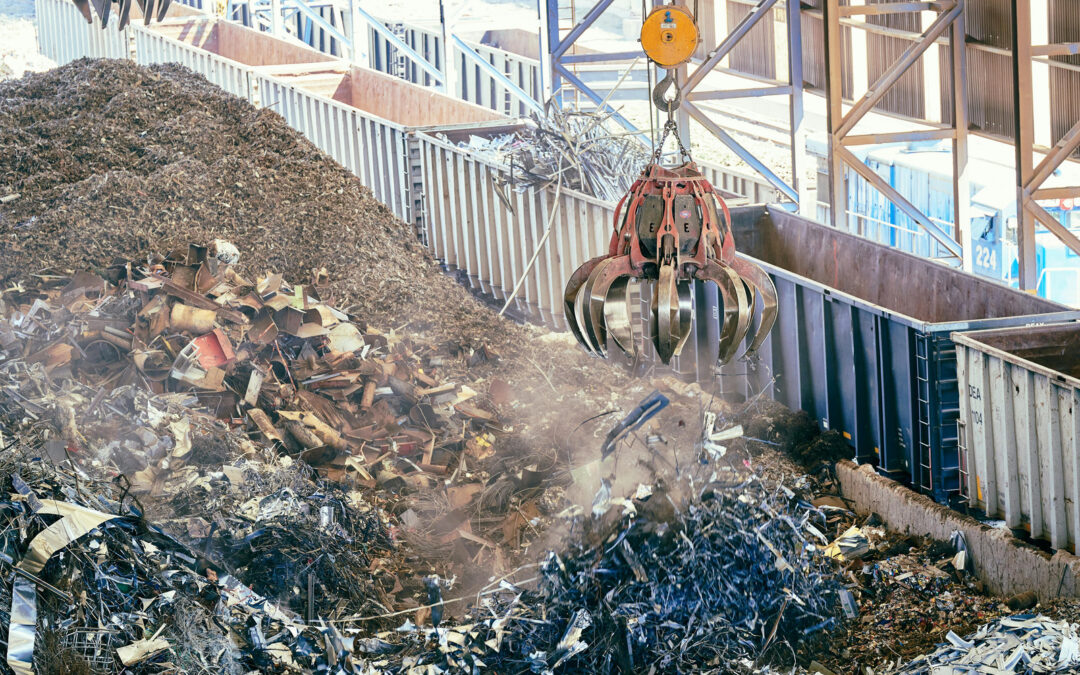
Many people assume that every piece of metal can simply be tossed into a recycling bin. While metal is one of the most recyclable materials, not all scrap metal is safe to recycle immediately. Some metals become hazardous because they are contaminated with chemicals, oils, batteries, paint, asbestos, or other dangerous substances. Knowing the difference helps protect workers, the environment, and your business from costly mistakes.
If your business generates metal waste, understanding when Scrap Metal Recycling Abbostford is appropriate and when hazardous waste handling is required is essential.
Why Some Scrap Metal Cannot Be Recycled Immediately
Scrap metal is highly valuable because it can often be melted down and reused. However, contamination changes everything. Before recycling, metal must be free from hazardous materials that could pollute recycling facilities or create health risks.
Common contaminants include:
- Industrial chemicals
- Paints and solvents
- Oils and lubricants
- Fuel residues
- Batteries attached to equipment
- Mercury-containing components
- Lead-based coatings
- Asbestos-contaminated metal
When these materials are present, the metal may need hazardous waste treatment before it can safely enter the recycling stream.
Common Types of Hazardous Scrap Metal
Businesses across Abbostford produce different kinds of metal waste. Some examples require extra handling before recycling.
Oil-Contaminated Machinery
Old manufacturing equipment, pumps, and engines often contain oils or hydraulic fluids. These liquids must be removed safely before the metal is recycled.
Paint-Coated Metal
Construction materials, steel beams, fencing, and metal panels coated with lead-based or industrial paint may require special disposal procedures.
Battery-Containing Equipment
Forklifts, backup power systems, and electronic equipment often include batteries that contain hazardous chemicals. Batteries should always be removed before recycling the remaining metal.
Chemical Storage Containers
Metal drums or containers previously used for chemicals, solvents, or hazardous liquids cannot simply be recycled unless they have been properly cleaned and certified safe.
Asbestos-Contaminated Metal
Metal removed during demolition or industrial renovations may be contaminated with asbestos-containing materials. These projects require specialized handling to protect workers and the environment.
When Can Scrap Metal Be Recycled?
Most clean metals can be recycled successfully through professional Metal Recycling Abbostford.
Examples include:
- Steel
- Aluminum
- Copper
- Brass
- Stainless steel
- Iron
- Metal pipes
- Structural steel
- Roofing metal
- Construction offcuts
The key requirement is that the material should be free from hazardous contamination before entering the recycling process.
Why Proper Identification Matters
Incorrectly placing hazardous metal into standard recycling bins can create several problems:
- Environmental contamination
- Worker safety risks
- Damage to recycling equipment
- Regulatory violations
- Additional disposal costs
- Delays in waste processing
Separating hazardous waste from recyclable metals saves both time and money while ensuring compliance with environmental regulations.
Best Practices for Businesses
Businesses can improve recycling efficiency by following a few simple steps:
- Separate clean and contaminated metals.
- Remove batteries and electronic components.
- Drain oils and fluids from machinery where appropriate.
- Label hazardous materials clearly.
- Store scrap metal in designated containers.
- Work with experienced recycling professionals for collection and disposal.
These practices make Commercial Scrap Metal Recycling Abbotsford safer, more efficient, and environmentally responsible.
Environmental Benefits of Responsible Metal Recycling
Proper recycling conserves natural resources by reducing the need for new mining operations. It also saves energy, lowers greenhouse gas emissions, and keeps valuable materials in circulation.
When hazardous materials are identified and removed correctly, recycling facilities can safely recover metals while protecting surrounding communities and ecosystems.
Understanding BC Regulations
British Columbia has strict requirements for managing hazardous waste Abbotsford. Businesses should ensure that contaminated materials are handled according to provincial environmental regulations.
For guidance on hazardous waste management, visit the BC Ministry of Environment and Parks:
Following these guidelines helps businesses remain compliant while reducing environmental risks.
Choose the Right Recycling Partner
Not every load of scrap metal is ready for recycling. Identifying hazardous materials before collection helps prevent contamination, protects employees, and ensures valuable metals are recovered responsibly.
Not every load of scrap metal is ready for recycling. Identifying hazardous materials before collection helps protect workers, reduce environmental risks, and ensure valuable metals are recovered responsibly. If your business needs expert guidance, Canadian Empire Recycling & Disposal provides reliable recycling and waste management solutions tailored to commercial and industrial projects across Abbotsford. Contact Canadian Empire Recycling & Disposal team to ensure your metal waste is handled safely, efficiently, and in compliance with BC regulations.
Frequently Asked Questions
What makes scrap metal hazardous?
Hazardous scrap metal usually contains toxic coatings, chemicals, oils, fuel residues, asbestos, mercury, or other dangerous contaminants.
Can painted metal be recycled?
Yes, but if the paint contains hazardous substances such as lead, additional treatment may be required before recycling.
Is commercial scrap metal recyclable?
Most commercial scrap metal can be recycled if it is clean and free from hazardous contamination.
Why should businesses use professional scrap metal recycling services?
Professional recycling services ensure hazardous materials are identified, separated, and managed correctly while maximizing the recovery of recyclable metals.