
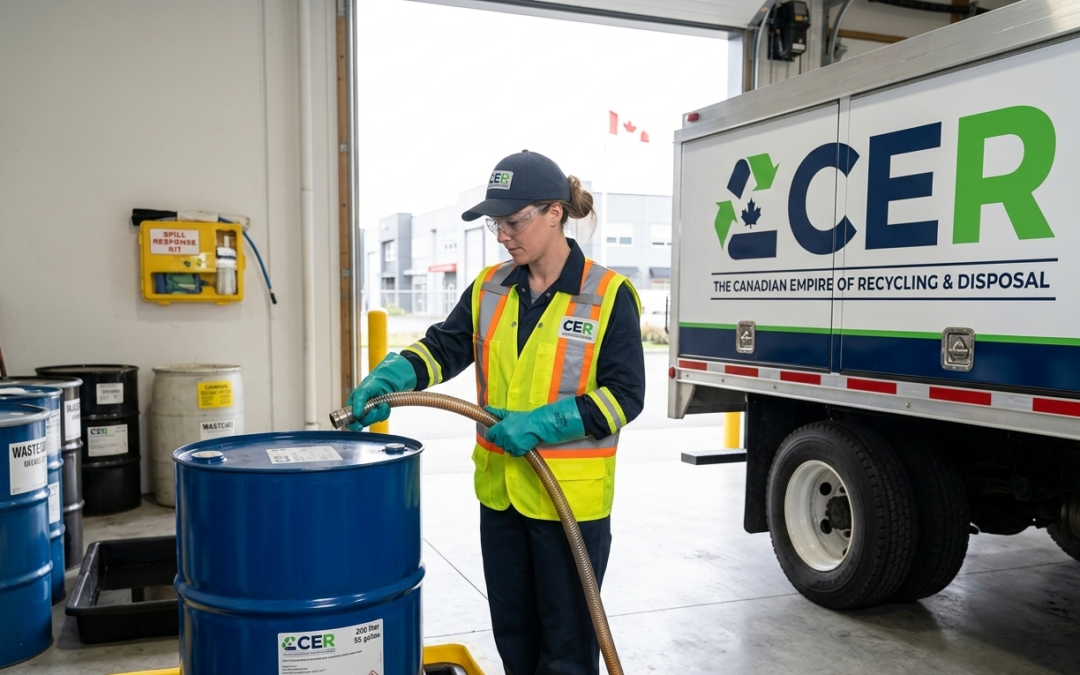
Managing waste oil is a critical responsibility for businesses in Abbotsford, especially those in automotive, manufacturing, and food service industries. Used oil is considered hazardous waste, and improper handling can lead to environmental damage, legal penalties, and safety risks. Understanding the correct procedures for disposal and compliance is essential for maintaining a safe and responsible business operation.
This guide will help business owners navigate waste oil management, from legal requirements to best practices for safe and efficient disposal.
What Is Waste Oil and Why Is It Regulated?
Waste oil refers to any petroleum-based or synthetic oil that has been used and is no longer suitable for its original purpose. This includes motor oil, hydraulic fluid, lubricants, and cooking oils used in commercial kitchens.
Because waste oil can contain contaminants such as heavy metals and toxic chemicals, it is strictly regulated. If not handled properly, it can seep into soil and water systems, causing long-term environmental harm. That’s why professional Waste Oil Collection Abbotsford is essential for businesses aiming to stay compliant and environmentally responsible.
Understanding Compliance Requirements in Abbotsford
Businesses must follow local and provincial regulations when storing, transporting, and disposing of waste oil. These regulations are designed to protect both public health and the environment.
Key compliance requirements include:
- Proper labeling and storage of waste oil in approved containers
- Preventing leaks and spills through regular inspections
- Using licensed waste carriers for transportation
- Maintaining records of waste disposal activities
Failure to comply can result in fines, legal action, and reputational damage. Staying informed about regulations ensures your business avoids unnecessary risks.
The Risks of Improper Waste Oil Disposal
Ignoring proper disposal practices can lead to serious consequences:
Environmental Damage
Waste oil can contaminate soil, groundwater, and nearby ecosystems, harming wildlife and plant life.
Health Hazards
Exposure to toxic substances in used oil can pose health risks to employees and the public.
Legal Penalties
Non-compliance with regulations can result in hefty fines and potential business shutdowns.
Fire Hazards
Improper storage of oil increases the risk of fires, especially in industrial settings.
The Role of Professional Waste Management Services
Hiring a professional waste management company ensures that your business meets all compliance requirements while maintaining safety standards. These experts handle the collection, transportation, and recycling of waste oil using approved methods.
In addition to oil collection, many providers also offer Hazardous Waste Disposal Abbotsford, ensuring that other dangerous materials are managed safely. This comprehensive approach simplifies waste management for businesses and reduces the risk of violations.
Best Practices for Safe Waste Oil Handling
To maintain compliance and safety, businesses should adopt the following practices:
- Store oil in sealed, clearly labeled containers
- Keep storage areas clean and free from spills
- Train employees on proper handling procedures
- Schedule regular pickups to avoid overflow
- Use secondary containment systems for added protection
Implementing these practices not only ensures compliance but also promotes a safer workplace.
Benefits of Efficient Waste Oil Collection
Proper waste oil management offers several advantages:
1. Environmental Protection
Recycling waste oil reduces the need for new oil production and minimizes environmental impact.
2. Cost Savings
Efficient disposal practices can help businesses avoid fines and reduce operational costs.
3. Improved Safety
A well-managed waste system reduces the risk of accidents and injuries.
4. Positive Brand Image
Demonstrating environmental responsibility enhances your business reputation and builds customer trust.
Integrated Waste Solutions for Businesses
Many companies benefit from combining oil collection with other waste management services. For example, Commercial Waste Removal Abbotsford can handle general waste, recyclables, and large-scale cleanouts alongside hazardous materials.
This integrated approach streamlines operations, reduces logistical challenges, and ensures that all waste is handled responsibly under one provider.
How to Choose the Right Waste Oil Collection Service
Selecting a reliable service provider is crucial for maintaining compliance and efficiency. Consider the following factors:
- Licensing and Certification: Ensure the company meets all regulatory requirements
- Experience: Look for providers with expertise in handling industrial waste
- Eco-Friendly Practices: Choose companies that prioritize recycling and sustainability
- Flexible Scheduling: Services should align with your business needs
- Transparent Pricing: Avoid hidden costs with clear service agreements
Taking the time to evaluate these factors will help you find a trusted partner for your waste management needs.
Preparing Your Business for Waste Oil Collection
Before scheduling a pickup, ensure that your waste oil is properly stored and accessible. Label containers clearly and keep them in a designated area for easy collection. Inform your service provider about the quantity and type of oil to ensure a smooth and efficient process.
Preparation not only saves time but also ensures compliance with safety standards.
Waste oil management is not just a regulatory requirement—it’s a responsibility that impacts the environment, workplace safety, and your business reputation. By following proper guidelines and working with professional service providers, you can ensure safe, efficient, and compliant disposal practices.
For businesses in Abbotsford looking for reliable solutions, Canadian Empire Recycling & Disposal offers expert waste oil collection and recycling services. Their experienced team is committed to eco-friendly practices and regulatory compliance, making them a trusted partner for all your waste management needs. Contact Canadian Empire Recycling & Disposal today to keep your operations safe, compliant, and environmentally responsible.
Frequently Asked Questions
Is waste oil considered hazardous?
Yes, waste oil is classified as hazardous due to contaminants that can harm the environment and human health.
How often should businesses schedule waste oil collection?
It depends on usage, but regular pickups are recommended to prevent overflow and maintain compliance.
Can waste oil be recycled?
Absolutely. Used oil can be refined and reused, making recycling an environmentally friendly option.
Why should I hire a professional waste oil collection service?
Professionals ensure safe handling, legal compliance, and eco-friendly disposal, reducing risks and saving time for your business.