
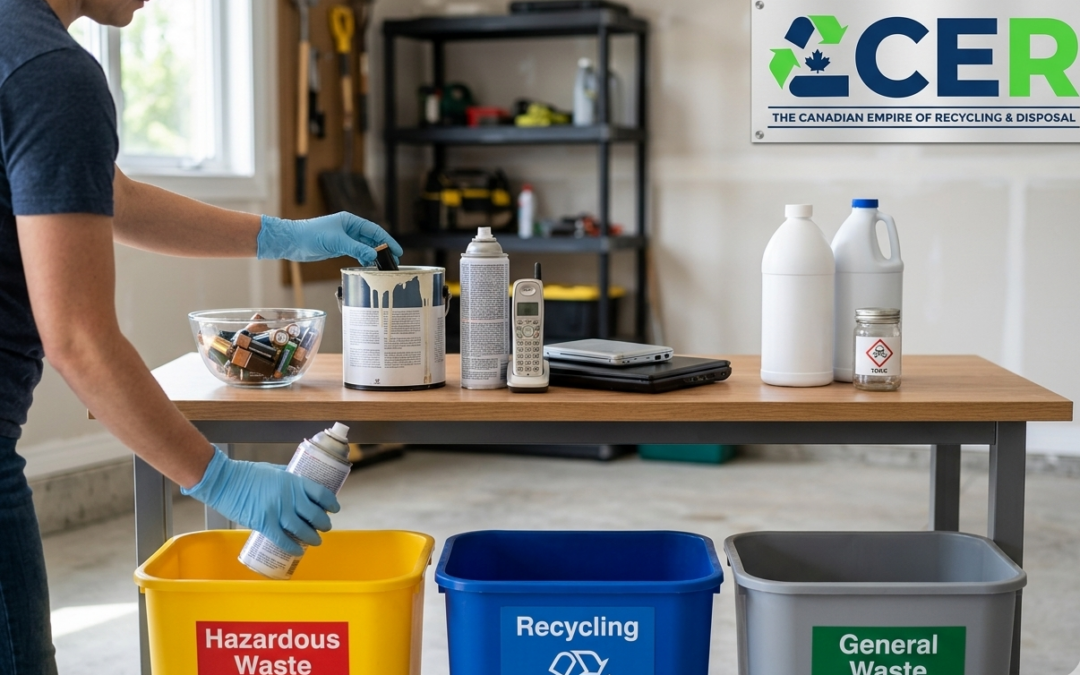
Most of us don’t think twice about throwing everyday household items into the trash. However, many common items found in your home can pose serious risks to your health, safety, and the environment if they’re not disposed of properly. From chemicals and electronics to batteries and old medications, improper waste can lead to pollution, fire hazards, and even legal issues.
Why Proper Disposal Matters
Many household items contain toxic or hazardous materials that can contaminate soil and water when sent to landfills. Some items can leak harmful chemicals, while others can ignite or explode under certain conditions.
Proper dispose helps:
- Protect the environment
- Reduce health risks
- Prevent fires and accidents
- Ensure compliance with local regulations
By understanding which items require special handling, you can make safer and more eco-friendly choices.
1. Batteries
Batteries are one of the most common hazardous household items. They contain chemicals like lithium, lead, and mercury, which can leak into the environment if disposed of incorrectly.
Risks:
- Fire hazards, especially with lithium-ion batteries
- Soil and water contamination
Safe Disposal:
Always take batteries to designated recycling or hazardous waste Abbostford facilities. Many communities offer drop-off locations for battery recycling.
2. Electronics (E-Waste)
Old electronics waste Abbostford, such as phones, laptops, TVs, and printers, contain heavy metals and toxic components.
Risks:
- Release of harmful substances like lead and cadmium
- Environmental pollution
Safe Disposal:
Use certified e-waste recycling programs or professional waste services to ensure proper handling and recycling.
3. Household Chemicals
Cleaning products, paints, pesticides, and solvents often contain hazardous substances.
Risks:
- Toxic fumes
- Skin irritation and poisoning
- Environmental contamination
Safe Disposal:
Never pour chemicals down the drain. Instead, take them to a hazardous waste collection facility or schedule a pickup with professionals.
4. Old Medications
Expired or unused medications should never be flushed down the toilet or thrown in the trash.
Risks:
- Contamination of water systems
- Accidental ingestion by children or pets
Safe Disposal:
Use pharmacy take-back programs or designated medication waste sites.
5. Fluorescent Light Bulbs
Compact fluorescent lamps (CFLs) and fluorescent tubes contain small amounts of mercury.
Risks:
- Release of mercury vapors if broken
- Environmental damage
Safe Disposal:
Handle carefully and dispose of them at recycling centers that accept hazardous materials.
6. Paint and Solvents
Leftover paint and solvents are common in many homes, especially after renovations.
Risks:
- Flammable and toxic
- Harmful to soil and water
Safe Disposal:
Allow small amounts of paint to dry before disposal, or take larger quantities to a hazardous waste facility.
7. Cooking Oil and Grease
Used cooking oil is often poured down drains, which can cause plumbing and environmental issues.
Risks:
- Blocked pipes and sewer systems
- Water pollution
Safe Disposal:
Let the oil cool, store it in a sealed container, and dispose of it through recycling or designated collection programs.
8. Aerosol Cans
Spray cans used for cleaning, painting, or personal care can be hazardous.
Risks:
- Pressurized containers may explode
- Release of harmful chemicals
Safe Disposal:
Ensure cans are empty before recycling or take them to a hazardous waste facility.
9. Sharps and Medical Waste
Items like needles, syringes, and lancets require special handling.
Risks:
- Injury and infection
- Biohazard exposure
Safe Disposal:
Use approved sharps containers and follow local guidelines for medical waste disposal.
10. Propane Tanks and Fuel Containers
Old propane tanks and fuel containers can still contain flammable residues.
Risks:
- Explosion and fire hazards
- Environmental contamination
Safe Disposal:
Return them to suppliers or take them to designated sites.
Common Mistakes to Avoid
Many people unknowingly make mistakes when disposing of hazardous items:
- Mixing hazardous waste with regular trash
- Pouring liquids down drains
- Burning waste in open areas
- Ignoring local disposal guidelines
Avoiding these mistakes can significantly reduce risks and protect your surroundings.
Benefits of Responsible Disposal
Taking the time to dispose of items properly offers several benefits:
- Safer home environment
- Reduced environmental impact
- Compliance with regulations
- Support for recycling and resource recovery
Responsible disposal is a simple yet powerful way to contribute to a cleaner and healthier community.
When to Call Professionals
Some items are too dangerous or complex to handle on your own. In such cases, professional waste disposal services can provide safe and efficient solutions.
Experts have the knowledge, equipment, and certifications needed to handle hazardous materials responsibly. They ensure that waste is transported and processed in accordance with strict safety and environmental standards.
Choose Safe and Reliable Disposal Services
Managing household hazardous waste Abbostford doesn’t have to be overwhelming. With the right approach and support, you can keep your home safe and environmentally friendly.
Contact Canadian Empire Recycling & Disposal for eco-friendly waste management solutions for a wide range of household and commercial needs. Their experienced team ensures proper handling of hazardous items, helping you stay compliant while protecting the environment. If you’re unsure how to dispose of certain materials, reaching out to Canadian Empire Recycling & Disposal is a smart and responsible choice.
Frequently Asked Questions
Can I throw batteries in the regular trash?
No, batteries should be taken to recycling or hazardous waste facilities due to their chemical content and fire risk.
How should I dispose of old electronics?
Use certified e-waste recycling programs or professional services to ensure safe and proper disposal.
Is it safe to pour chemicals down the drain?
No, pouring chemicals down the drain can harm plumbing systems and contaminate water supplies.
Why should I use professional disposal services?
Professionals ensure safe handling, proper disposal, and compliance with regulations, reducing risks to your health and the environment.