
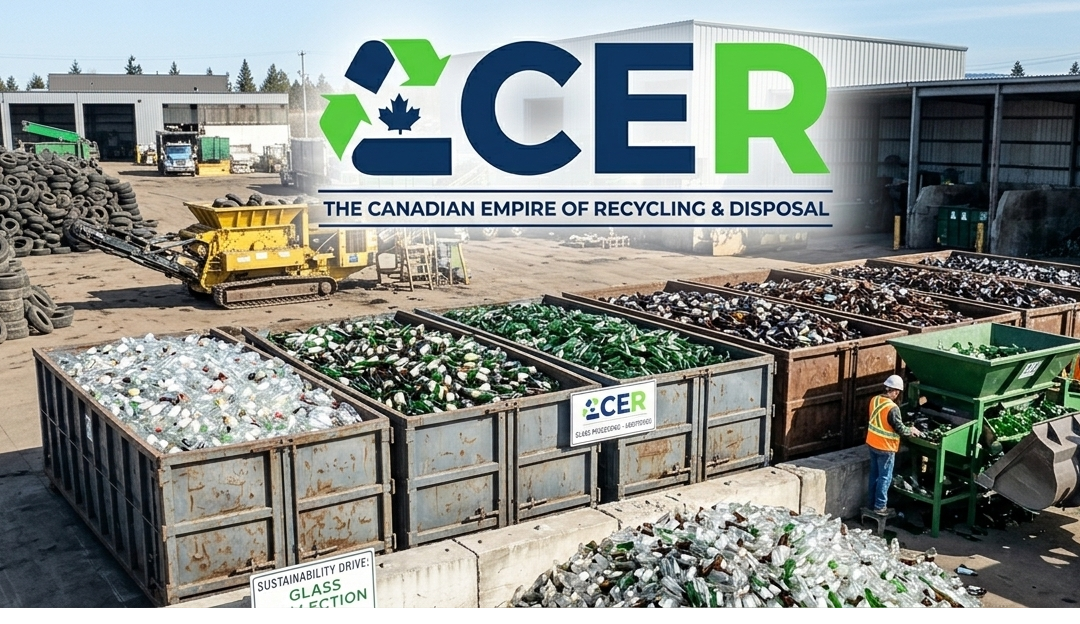
Glass is one of the most recyclable materials in the world. Unlike many other materials, glass can be recycled repeatedly without losing its quality or purity. This makes it an important part of sustainable waste management and environmental protection. In cities like Abbotsford, recycling glass helps reduce landfill waste, conserve natural resources, and support eco-friendly practices in homes and businesses.
However, many people are unaware that not all glass products are recyclable in the same way. Some types of glass can be processed easily, while others require special handling or cannot be recycled through standard programs. Understanding the different types of recyclable glass can help residents and businesses dispose of their waste responsibly.
Why Glass Recycling Matters
Glass recycling plays a vital role in protecting the environment. When glass is thrown away instead of recycled, it ends up in landfills, where it can take thousands of years to decompose. Recycling helps reduce the amount of waste sent to landfills and minimizes environmental pollution.
Another advantage of recycling glass is that it saves energy. Manufacturing new glass from raw materials such as sand, soda ash, and limestone requires high temperatures and large amounts of energy. When recycled glass is used in production, it melts at a lower temperature, reducing energy consumption and greenhouse gas emissions.
Communities that promote glass recycling also contribute to a circular economy where materials are reused rather than wasted.
Clear Glass (Flint Glass)
Clear glass, also known as flint glass, is one of the most common types of recyclable glass. It is widely used in food and beverage containers such as jars and bottles. Because it is transparent and free of color, clear glass is highly valuable in recycling processes.
Common examples of clear glass include:
- Jam jars
- Sauce bottles
- Beverage bottles
- Food storage jars
These items are typically accepted in most recycling programs because they can easily be melted down and used to create new glass containers.
Green Glass
Green glass is another recyclable material commonly found in beverage containers. Wine bottles, sparkling water bottles, and certain specialty drink containers are often made from green glass.
The green color helps protect the contents from sunlight, which can affect the quality of certain beverages. Recycling green glass allows manufacturers to reuse the material to produce new bottles and containers.
Properly separating green glass from other types of glass during recycling helps improve the efficiency of the recycling process.
Brown (Amber) Glass
Brown or amber glass is commonly used for products that require protection from ultraviolet light. This type of glass is frequently used for beer bottles, medicine containers, and some food packaging.
Amber glass can also be recycled and reused to produce new containers. Many recycling facilities process brown glass separately to maintain the color quality needed for manufacturing.
Glass Food Containers
Food containers made from glass are among the easiest items to recycle. Items such as pasta sauce jars, pickle jars, and condiment containers are widely accepted in recycling programs.
Before recycling glass food containers, it is recommended to rinse them to remove leftover food residue. This helps keep recycling facilities clean and prevents contamination during processing.
These containers are an excellent example of how everyday household items can contribute to sustainable waste management when recycled properly.
Beverage Bottles
Glass beverage bottles are one of the most commonly recycled items. Soft drink bottles, juice bottles, and sparkling water bottles are typically made from recyclable glass materials.
Many beverage manufacturers also use recycled glass to produce new bottles, which reduces the demand for raw materials and supports environmentally friendly production practices.
Glass from Businesses and Commercial Properties
Glass waste is not limited to households. Restaurants, hotels, offices, and retail stores also generate significant amounts of glass waste. Beverage containers, decorative glass items, and packaging materials are common sources of glass waste in commercial settings.
Implementing proper glass recycling Abbotsford helps businesses reduce their environmental footprint and manage waste more responsibly. Recycling programs designed for commercial properties can handle larger quantities of glass and ensure that recyclable materials are processed efficiently.
Businesses that prioritize recycling also demonstrate their commitment to sustainability, which can enhance their reputation among customers and the community.
Glass Used in Commercial Waste Management
Commercial establishments often produce mixed waste that includes glass containers, packaging materials, and other recyclable items. Proper commercial waste Abbotsford solutions help businesses separate and recycle glass effectively.
By working with professional waste management services, companies can ensure that recyclable glass is collected and processed correctly. This reduces landfill waste and helps businesses comply with environmental regulations while maintaining clean and organized workplaces.
Effective commercial waste management also supports community recycling goals and helps create a more sustainable city.
Glass That Is Typically Not Recyclable
Although many glass products can be recycled, some types cannot be processed through regular recycling programs. These include:
- Window glass
- Mirrors
- Ceramic items
- Light bulbs
- Tempered glass
These materials have different chemical compositions or melting points, which can interfere with standard recycling processes. They often require specialized disposal or recycling methods.
Residents and businesses should always check with local recycling facilities to determine how these materials should be handled.
Tips for Recycling Glass Properly
To ensure glass recycling is effective and efficient, follow these simple tips:
- Clean containers before recycling to remove food or liquid residue.
- Remove lids and caps if required by your recycling facility.
- Avoid mixing non-recyclable glass with recyclable containers.
- Separate glass by color if requested by the recycling center.
- Use professional recycling services for large quantities of glass waste.
These small steps can make a big difference in improving recycling efficiency and reducing contamination.
Responsible Glass Recycling
Glass recycling plays a crucial role in protecting the environment and supporting sustainable waste management. By understanding which types of glass can be recycled, residents and businesses can contribute to reducing landfill waste and conserving natural resources.
For reliable recycling services, Canadian Empire Recycling & Disposal offers dependable solutions for handling recyclable materials and waste responsibly. Their experienced team helps individuals and businesses manage glass disposal and other recycling needs efficiently. If you are looking for professional recycling services, contact Canadian Empire Recycling & Disposal. Their team can help ensure your glass waste is handled safely and sustainably.
Frequently Asked Questions
Can businesses recycle glass in Abbotsford?
Yes, many businesses, such as restaurants, hotels, and offices, generate glass waste that can be recycled through professional recycling services. Proper glass recycling solutions in Abbotsford help businesses manage waste responsibly and reduce landfill use.
What types of glass are not recyclable in regular recycling programs?
Items like window glass, mirrors, ceramics, tempered glass, and light bulbs are usually not accepted in standard glass recycling programs because they have different chemical compositions and melting points.
How should I prepare glass containers before recycling?
Before recycling, glass containers should be rinsed to remove food or liquid residue. Lids and caps should also be removed if required by the recycling facility.
Why is glass recycling important for businesses?
Proper recycling helps businesses reduce waste, protect the environment, and follow sustainable waste practices. Professional commercial waste Abbotsford services help companies dispose of glass and other recyclable materials safely and efficiently.