
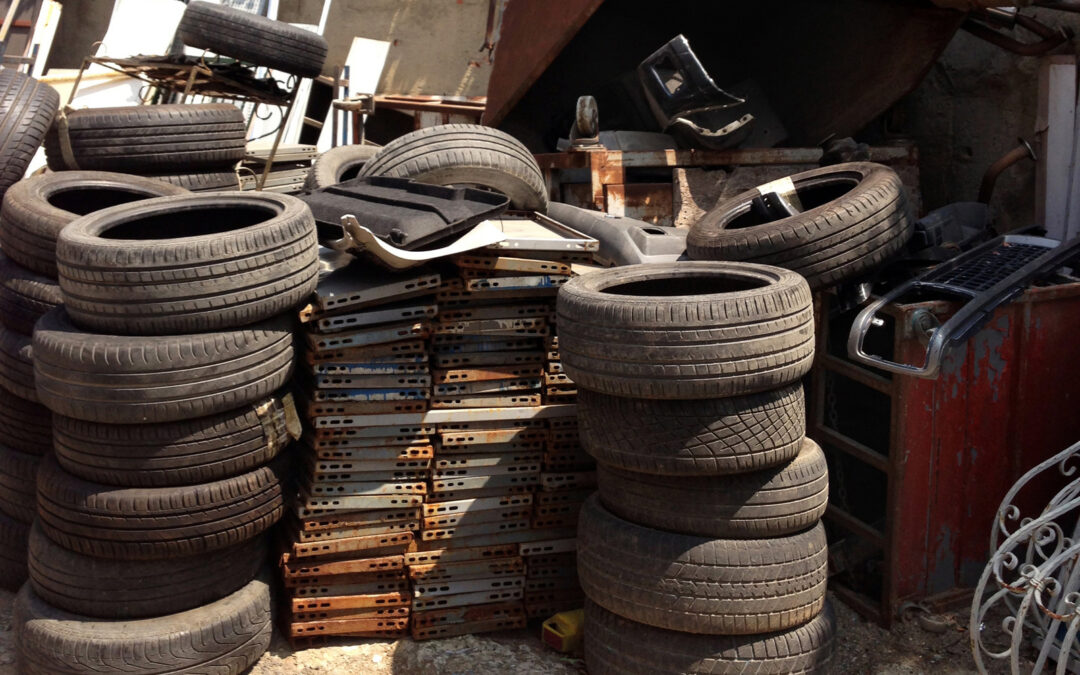
Tires are one of the most common yet challenging waste items to dispose of responsibly. Their durability, size, and chemical makeup make them unsuitable for landfills, and improper dumping can lead to serious environmental and safety issues. For residents and businesses, understanding which items are accepted for recycling is the first step toward responsible waste management.
Why Tire Recycling Matters
Discarded wheels take decades to break down and can trap water, becoming breeding grounds for mosquitoes and other pests. When burned or dumped illegally, they release toxic chemicals into the air, soil, and groundwater. Recycling prevents these risks by converting old rubber into reusable materials such as rubber mulch, asphalt additives, playground surfacing, and fuel alternatives.
Abbotsford follows provincial and municipal waste diversion programs designed to reduce landfill pressure and encourage recycling. Knowing what is accepted ensures smoother drop-offs and keeps disposal systems efficient.
Passenger Vehicle Tires (Accepted)
Passenger vehicle wheels are the most commonly accepted items at tire recycling facilities. These include:
- Tires from cars, SUVs, and minivans
- All-season, winter, and summer tires
- Studded and non-studded tires
These are accepted with or without rims in most cases, though some facilities may request rims to be separated. As long as they are free of excessive contamination like mud, oil, or debris, they are generally eligible for recycling.
Light Truck and Pickup Tires (Accepted)
Tires from light trucks and pickup vehicles are also widely accepted for recycling. These typically include:
- Tires used on small commercial vehicles
- Pickup truck tires used for personal or work purposes
- Tires with moderate tread depth or wear
Because these tires are similar in composition to passenger tires, they can be processed through standard recycling systems.
Commercial and Industrial Tires (Conditionally Accepted)
Larger tires used in commercial, agricultural, or industrial applications may be accepted depending on size and volume. These include:
- Delivery truck tires
- Agricultural tractor tires
- Construction and equipment tires
Due to their size and reinforced construction, these tires often require special approval or scheduling. Some recycling centers may charge additional handling fees or require advance notice.
Tires with Rims: What You Need to Know
Many recycling facilities accept mounted on metal rims, but policies vary. Steel rims are usually recyclable and may even have scrap value. Aluminum or specialty rims may need to be separated.
Before drop-off, it’s best to confirm whether rims should be removed in advance. Separating from rims helps streamline the recycling process and may reduce disposal costs.
Specialty Tires (Limited or Restricted)
Some tire types are not always accepted through standard recycling programs and may need special arrangements:
- Solid rubber is used on forklifts or heavy machinery
- Foam-filled tires
- Oversized off-road tires
- Heavily damaged or burned tires
These may still be recyclable, but they often require specialized processing or transport solutions.
Tires That Are Typically Not Accepted
Certain items are commonly rejected because they cannot be processed safely:
- Tires contaminated with oil, chemicals, or hazardous substances
- Tires mixed with excessive debris or construction waste
- Tires that have been illegally burned
In these cases, proper disposal may fall under Hazardous Waste Disposal Abbotsford, especially if the rubber poses environmental or health risks due to contamination.
How Tires Are Processed After Recycling
Once accepted, go through several steps:
- Inspection and sorting by size and type
- Shredding into rubber chips
- Separation of steel and fiber components
- Reprocessing into reusable materials
Recycled tire products are commonly used in road construction, playground surfaces, athletic tracks, landscaping mulch, and erosion control projects.
Preparing Tires for Recycling
To ensure acceptance and avoid delays, follow these simple steps:
- Remove excessive mud, rocks, or debris
- Check whether rims should be removed
- Stack tires neatly for transport
- Separate specialty tires from standard passenger tires
Proper preparation helps facilities process faster and keeps recycling operations safe and efficient.
Tires Recycling Abbotsford: What Residents and Businesses Should Know
Tire recycling in Abbotsford is designed to support both residential and commercial needs. Homeowners can usually drop off small quantities, while businesses generating larger volumes should arrange scheduled pickups or bulk drop-offs.
Whether you’re cleaning out a garage, managing a fleet, or completing a renovation project, understanding local tire acceptance guidelines helps ensure compliance and sustainability.
Environmental Benefits of Proper Tire Recycling
Recycling tires offers long-term environmental advantages, including:
- Reduced landfill waste
- Lower risk of soil and water contamination
- Conservation of natural resources
- Support for circular economy initiatives
Every recycled tire contributes to cleaner communities and more responsible waste management across Abbotsford.
Professional Tire Recycling Support
For businesses and individuals dealing with large quantities, damaged wheels, or mixed waste loads, working with an experienced recycling provider simplifies the process. Professional recyclers ensure wheels are transported, sorted, and processed according to environmental regulations.
Canadian Empire Recycling offers comprehensive tire recycling solutions, handling everything from collection to compliant processing while prioritizing environmental responsibility and local regulations.
If you’re unsure whether your tires are accepted or need assistance with bulk tire recycling, Canadian Empire Recycling can help. Their knowledgeable team provides guidance, pickup services, and responsible recycling solutions tailored to residents and businesses.
Contact Canadian Empire Recycling to ensure your old tires are disposed of safely, legally, and sustainably.