
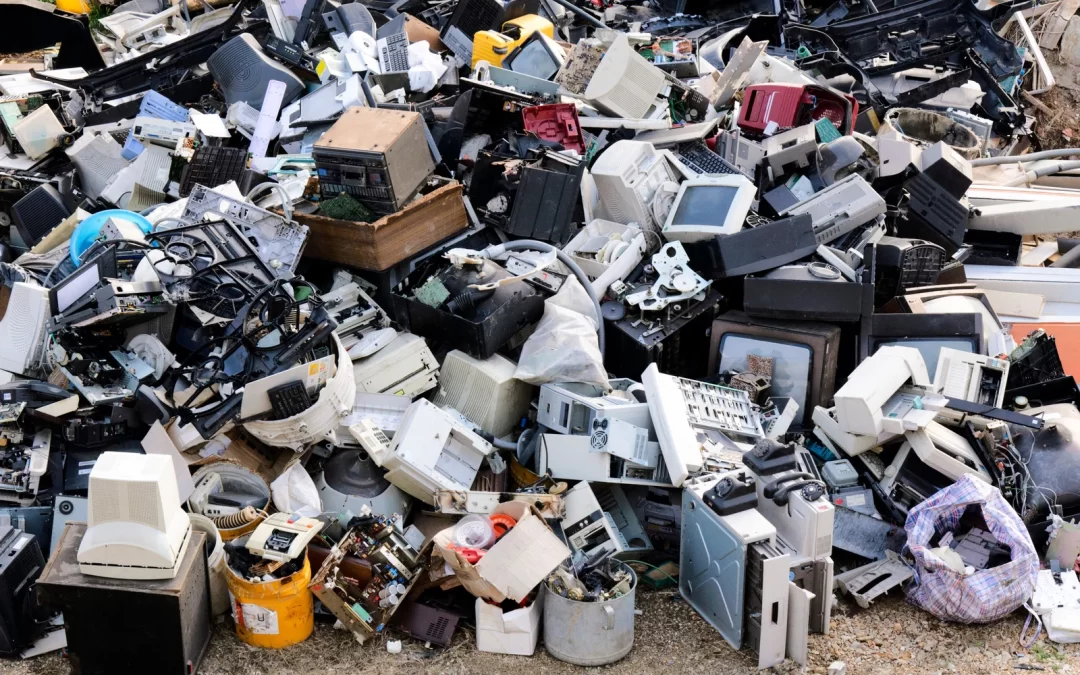
Getting rid of old appliances may seem simple, but many Abbotsford homeowners unknowingly make mistakes that lead to safety hazards, extra costs, and environmental harm. Whether you’re replacing a broken fridge, upgrading to a more energy-efficient washer, or clearing out your basement, it’s important to dispose of appliances responsibly. Knowing what not to do can save you time, prevent injuries, and help protect the environment.
This comprehensive guide walks through the biggest mistakes residents make during appliance disposal—and how to avoid them. By learning the right steps, you can ensure your appliances are handled safely, legally, and efficiently.
Why Proper Appliance Disposal Matters
Old appliances contain materials that need careful handling. Refrigerators, air conditioners, and freezers may have refrigerants that must be removed safely by certified technicians. Microwaves, televisions, and other electronics may contain metals, wiring, and chemicals that can harm the environment if improperly discarded.
Correct disposal helps:
- Reduce landfill waste
- Prevent refrigerant leaks
- Keep hazardous materials out of soil and water
- Allow recyclable metals and components to be reused
- Ensure compliance with waste disposal rules
Improper disposal can cause fines, environmental violations, or the release of harmful substances. Understanding these risks helps you choose safe, compliant solutions.
Mistake 1: Leaving Appliances on the Curb
Many residents believe leaving appliances at the curb for scrap collectors is a convenient option. However, curbside dumping is not only unsightly—it’s often illegal. Large appliances can block sidewalks, attract pests, and pose a danger to children playing nearby.
In many cases, curbside appliances end up being dismantled unsafely by untrained individuals who remove only the valuable metals and leave the rest behind. This leads to hazardous waste Abbotsford being discarded improperly.
Mistake 2: Not Removing Hazardous Components Properly
Refrigerators, freezers, and AC units contain refrigerants such as Freon that must be handled by certified professionals. Attempting to remove or vent these substances on your own is dangerous and illegal.
These chemicals can cause:
- Ozone depletion
- Air quality issues
- Severe environmental contamination
Before disposal, always ensure that refrigerants have been removed at an accredited facility or by a licensed technician.
Mistake 3: Forgetting About Recycling Opportunities
Many old appliances contain large amounts of recyclable material—aluminum, steel, copper, and electronic components. Throwing them in the trash means valuable resources go to waste.
Abbotsford residents can take advantage of various recycling programs designed to handle these items responsibly. Recycling not only reduces waste but also reduces the energy required to produce new appliances.
Mistake 4: Attempting DIY Dismantling
It may be tempting to break down an appliance to “make it easier” to dispose of. However, this is one of the most dangerous mistakes people make.
Appliances often consist of sharp metals, electrical components, and sealed compartments that can cause injury when tampered with.
DIY dismantling can also expose you to hazardous chemicals or wiring.
It’s always safer and more responsible to leave dismantling and recycling to certified professionals who have the training and proper equipment.
Mistake 5: Ignoring Donation or Reuse Possibilities
Not all old appliances need to be thrown away. If they still work, or can be repaired, they may be accepted by:
- Local charities
- Community groups
- Habitat for Humanity ReStores
- Appliance refurbishing companies
Giving away usable appliances extends their life cycle and keeps unnecessary waste from landfills.
Mistake 6: Not Exploring Local Service Options
Many residents don’t realize that local junk removal and disposal services offer convenient, same-day pickup options. These services handle heavy lifting, transportation, and proper disposal.
Junk Removal Services Abbotsford can assist homeowners who need quick, professional handling of bulky appliances without the risk of injury or property damage.
Skipping professional assistance often leads to unsafe lifting, damaged floors, or improper dumping. Choosing professionals ensures compliance with local waste rules and a smooth removal process.
Mistake 7: Failing to Follow Local Disposal Regulations
Abbotsford, like many municipalities, has strict guidelines on how large appliances must be disposed of. Leaving items in the wrong place or mixing them with household trash can lead to fines.
Local facilities require appliances to be processed in specific ways to ensure environmental safety.
Ignoring these rules not only harms the environment but can cost homeowners more in the long run. Always check the latest municipal guidelines before disposal.
Mistake 8: Not Researching Eco-Friendly Disposal Options
Environmentally responsible disposal is more accessible than many people realize. From recycling programs to professional removal services, there are eco-friendly ways to dispose of dishwashers, ovens, microwaves, and more.
Appliances Disposal Abbotsford solutions help ensure materials are diverted from landfills, and hazardous components are treated safely.
Choosing green disposal methods benefits both homeowners and the community by promoting sustainability and reducing waste.
Eco-Conscious Disposal Support
Residents looking for safe, compliant, and environmentally responsible disposal solutions can rely on Canadian Empire Recycling, which provides professional services for recycling, removal, and sustainable handling of large household appliances. Their team ensures that every item is processed safely and ethically, helping reduce waste and protect local ecosystems.
If you need reliable appliance pickup, eco-friendly disposal, or recycling support, contact Canadian Empire Recycling. Their team handles everything from lifting to transportation, ensuring your old appliances are dealt with safely, responsibly, and in accordance with local regulations.