
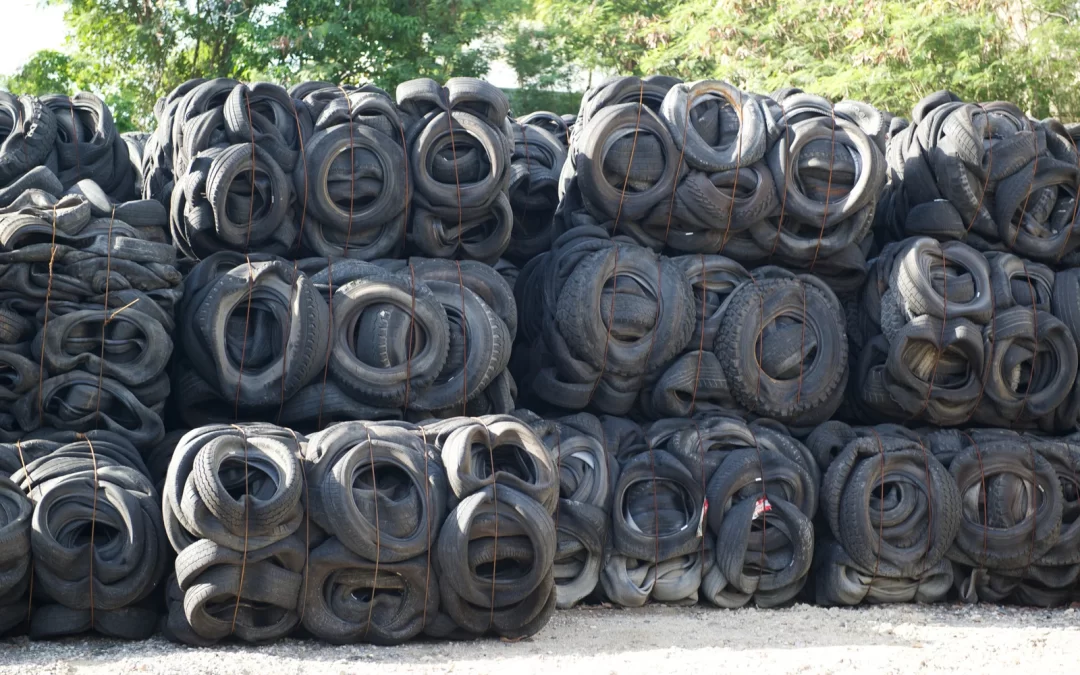
Proper tire disposal is an essential aspect of running a responsible business, yet it’s often overlooked. Tires are made of complex materials that don’t break down easily in the environment. When disposed of incorrectly, they can pose serious health and environmental risks, including fire hazards and mosquito breeding grounds. To ensure compliance and safety, businesses must understand commercial tire disposal regulations in their area.
Why Proper Tire Disposal Matters
Tires contain rubber, steel, and synthetic materials that are non-biodegradable. Dumping them in regular landfills is prohibited in many regions because it can trap gases, float, or create unstable landfill conditions. Illegally disposed can also attract rodents and waterborne pests, posing public health concerns.
For businesses, improper disposal can lead to fines, legal liability, and reputational damage. Following the proper regulations not only safeguards the environment but also protects your company from penalties. Proper disposal is a crucial part of managing commercial waste Abbotsford, ensuring your business operates responsibly.
Key Regulations for Commercial Tire Disposal
1. Registration and Licensing
In most jurisdictions, businesses that generate or collect tyre for disposal must register with local environmental authorities. This ensures that commercial disposal is tracked and managed responsibly. Some provinces or states require businesses to hold a specific license to transport to recycling or processing facilities.
2. Approved Disposal Facilities
Commercial wheels must be taken to approved disposal or recycling facilities. These facilities have specialized equipment to shred, recycle, or repurpose wheels safely. Taking tires to unapproved locations or dumping them illegally can result in hefty fines. For example, Tire Recycling Abbotsford facilities follow strict protocols to ensure compliance and environmental safety.
3. Record-Keeping Requirements
Many regulations require businesses to maintain records of disposal, including the number of wheels, the date of disposal, and the facility used. Accurate documentation ensures traceability in case of audits and demonstrates your company’s commitment to responsible waste management.
4. Storage Limitations and Safety Measures
Commercial establishments storing large numbers of tires on-site must adhere to fire and safety codes. Wheels can be highly flammable, so businesses are often required to implement fire prevention measures, proper stacking techniques, and limited storage areas. Following these guidelines reduces the risk of workplace hazards and protects employees.
5. Recycling and Repurposing
Regulations encourage or mandate the recycling of wheels where possible. Recycled materials can be turned into rubber mats, playground surfaces, fuel, or other industrial products. Partnering with certified recycling companies, such as Canadian Empire Recycling, helps businesses stay compliant while contributing to sustainability efforts.
Consequences of Non-Compliance
Ignoring commercial tire disposal regulations can result in significant consequences. Businesses may face:
- Fines and penalties from environmental authorities
- Legal liability if improperly stored or disposed of tires causes accidents or environmental damage
- Damage to brand reputation, particularly for companies emphasizing sustainability
- Increased insurance premiums due to unsafe storage practices
Compliance is not just about avoiding penalties; it’s about demonstrating corporate responsibility and protecting your employees, customers, and community.
Tips for Businesses
- Partner with Certified Waste Management Companies: Using licensed tire recycling services ensures compliance and safety.
- Educate Staff: Employees handling tire disposal should be informed about proper procedures and safety guidelines.
- Plan Ahead: Schedule regular disposal or recycling to prevent tire stockpiles that could violate storage limits.
- Stay Updated: Regulations can change, so businesses must keep current with local and provincial environmental laws.
Working with experts like Canadian Empire Recycling ensures your business meets all regulations and avoids potential fines.
Commercial disposal is a crucial responsibility that businesses cannot afford to ignore. Understanding and following commercial disposal regulations protects your company, employees, and the environment. By registering with the authorities, utilizing approved disposal facilities, maintaining accurate records, and adopting safe storage and recycling practices, businesses can effectively and sustainably manage wheel waste.
For businesses seeking reliable disposal and recycling services, they offer professional solutions tailored to commercial needs. Contact Canadian Empire Recycling to ensure your business handles waste safely, efficiently, and in full compliance with regulations.