
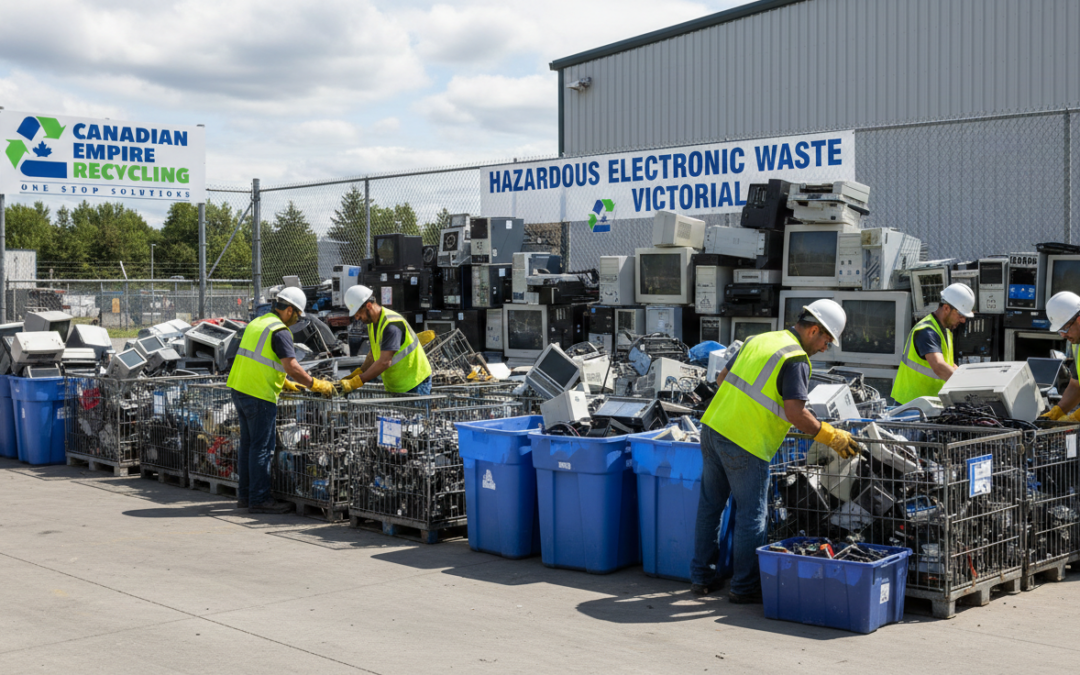
Electronic devices are a part of everyday life. From computers and printers to televisions and batteries, businesses and households rely heavily on electronics. However, when these devices reach the end of their life, they don’t simply become regular trash. Many e-wastes qualify as hazardous waste and must be handled carefully to prevent environmental damage and health risks.
Understanding Hazardous Electronic Waste
Electronic waste, often called e-waste, refers to discarded electrical or electronic devices. Not all e-wastes are hazardous, but many contain toxic components that make them dangerous if disposed of improperly.
Hazardous electronic waste typically includes devices that contain:
- Lead
- Mercury
- Cadmium
- Chromium
- Arsenic
- Lithium
- Brominated flame retardants
These substances can contaminate soil, water, and air if electronics are dumped in landfills or incinerated.
Common Types of Hazardous Electronic Waste
Here are the most common electronics in Victoria that qualify as hazardous waste:
1. Computers and Laptops
Old desktops, laptops, and servers contain lead in solder, mercury in screens, and cadmium in batteries. Circuit boards also contain precious metals mixed with toxic elements.
2. Televisions and Monitors
Older CRT (cathode ray tube) monitors and TVs contain significant amounts of lead and phosphor coatings. Even modern flat-screen TVs may contain mercury in backlights.
3. Batteries
Lithium-ion, nickel-cadmium, and lead-acid batteries are highly hazardous. They can leak toxic chemicals and even cause fires if damaged or improperly disposed of.
4. Printers and Copiers
These devices contain toner cartridges, circuit boards, and sometimes heavy metals that require safe handling.
5. Mobile Phones and Tablets
Though small, smartphones and tablets contain lithium batteries, heavy metals, and rare earth elements that make them hazardous when discarded improperly.
6. Fluorescent Lamps and CFL Bulbs
Many electronic lighting systems contain mercury, which is highly toxic to humans and wildlife.
Why Electronics Become Hazardous Waste
Electronic waste becomes hazardous due to the chemical composition of internal components. When broken or exposed to moisture:
- Heavy metals can leach into groundwater.
- Toxic fumes can be released if burned.
- Batteries can explode or ignite.
Improper disposal doesn’t just harm the environment—it can also violate local waste management regulations in Victoria.
Environmental Impact of Improper Disposal
Victoria places strong emphasis on sustainability and environmental protection. When hazardous electronic waste ends up in landfills:
- Toxic metals seep into soil and water systems.
- Wildlife may ingest contaminated materials.
- Human health risks increase due to polluted drinking water.
- Greenhouse gases can be released from decomposing electronic components.
Responsible recycling ensures valuable materials such as copper, aluminum, and gold are recovered while hazardous components are safely treated.
How to Determine If Your Electronics Are Hazardous
If you’re unsure whether your device qualifies as hazardous electronic waste, ask yourself:
- Does it contain a battery?
- Does it plug into a power source?
- Does it have a circuit board?
- Is it labeled with hazardous symbols?
If the answer is yes to any of these, it likely requires specialized disposal.
Residential vs. Commercial Electronic Waste
Both households and businesses generate hazardous electronic waste Victoria, but commercial operations often produce it in larger volumes.
Businesses may generate hazardous e-waste from:
- Office upgrades
- IT infrastructure replacements
- Retail point-of-sale systems
- Industrial electronic equipment
Commercial disposal often requires structured waste management plans to ensure compliance with local environmental regulations.
Safe Handling Tips Before Disposal
Before disposing of hazardous electronic waste:
- Remove personal or confidential data from devices.
- Store batteries separately and safely.
- Avoid breaking or dismantling devices yourself.
- Keep electronics dry and intact until pickup or drop-off.
Proper preparation helps prevent environmental contamination and safety hazards.
The Role of Professional Recycling Services
Professional providers of hazardous waste disposal in Victoria ensure:
- Safe collection and transportation
- Proper dismantling of components
- Recovery of recyclable materials
- Safe treatment of toxic substances
Partnering with experienced recyclers ensures compliance with environmental standards and protects your business from potential penalties.
Many businesses rely on professional services such as Canadian Empire Recycling to manage electronic waste responsibly. Working with experienced recycling specialists helps ensure that hazardous components are handled according to regulations while minimizing environmental impact.
Why Responsible Disposal Matters in Victoria
Victoria has strong environmental values and sustainability initiatives. Improper disposal of hazardous electronic waste can lead to:
- Legal penalties
- Environmental fines
- Damage to brand reputation (for businesses)
- Long-term ecological harm
Recycling reduces landfill waste and supports the circular economy by reusing valuable materials.
So, what qualifies as hazardous electronic waste in Victoria? Any electronic device containing toxic materials such as heavy metals, mercury, lithium batteries, or chemical components must be treated as hazardous waste.
From computers and televisions to batteries and fluorescent lighting, these items require specialized handling and recycling. Responsible disposal protects the environment, safeguards public health, and ensures compliance with local regulations.
If you are looking for reliable support with hazardous electronic waste management in Victoria, contact Canadian Empire Recycling. Their professional team can guide you through safe collection, proper recycling, and environmentally responsible disposal solutions tailored to your residential or commercial needs.