
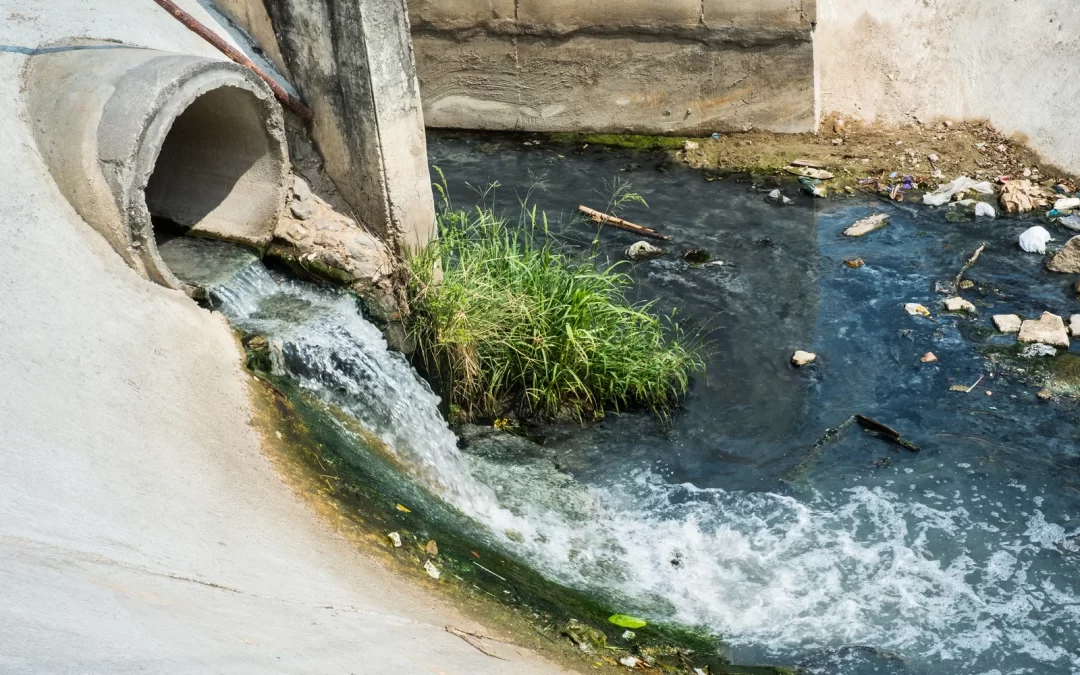
When most people think of hazardous waste, they picture industrial sites, chemical plants, or medical facilities. But the reality is that many households produce hazardous waste every day without even realizing it. From old paint cans and cleaning products to expired medications and batteries, our homes are full of items that can’t just be tossed in the trash.
Improper disposal of these materials can harm the environment, pose risks to sanitation workers, and even endanger public health. That’s why hazardous waste drop-off programs exist to provide residents with safe, eco-friendly options for disposal.
Why Household Hazardous Waste Is a Problem
Household hazardous waste (HHW) refers to everyday products that contain toxic, flammable, corrosive, or reactive ingredients. These items might seem harmless in small amounts, but when thousands of households discard them improperly, the collective impact becomes dangerous.
When poured down drains, chemicals can contaminate water systems. Tossed in regular trash, they can leak into soil or produce harmful fumes when compacted or burned. Even storing them improperly at home can create fire hazards or health risks.
This is why communities across the region emphasize responsible disposal through specialized collection sites and events.
Common Household Products That Require Hazardous Waste Drop-Off
Let’s look at the most common items in households that need proper disposal.
1. Paints and Solvents
Old paint cans, varnishes, thinners, and solvents contain toxic chemicals that can pollute soil and groundwater. Latex paint, for example, must be dried out and disposed of properly, while oil-based paints are classified as hazardous waste.
2. Cleaning Products
Many cleaners, such as bleach, ammonia, and drain cleaners, contain corrosive chemicals. Mixing them can even create toxic gases. Leftover or expired cleaners should never be poured into sinks or toilets.
3. Pesticides and Fertilizers
Garden and pest control products often contain harmful chemicals that can harm wildlife and pollute waterways. These are a major contributor to hazardous household waste.
4. Automotive Fluids
Motor oil, antifreeze, brake fluid, and transmission fluid are all highly toxic. Even small amounts can contaminate large quantities of water if disposed of improperly.
5. Batteries
Rechargeable, button-cell, and lithium-ion batteries contain heavy metals such as mercury, cadmium, and lead. These can leach into soil and groundwater when landfilled.
6. Electronics (E-Waste)
Old TVs, computers, cell phones, and other electronics contain circuit boards, leaded glass, and other hazardous materials. Dropping them off at e-waste collection programs ensures they’re recycled properly.
7. Medications
Expired or unused prescription drugs should never be flushed down toilets or thrown in the garbage. Specialized drug take-back programs safely destroy them without contaminating water supplies.
8. Light Bulbs
Compact fluorescent lamps (CFLs) and some fluorescent tubes contain small amounts of mercury. These need to be collected separately to avoid contaminating the air and soil.
9. Aerosol Cans
Spray paint, air fresheners, and other pressurized cans are hazardous if not fully emptied. Many contain flammable propellants that pose risks in landfills.
Hazardous Waste Disposal in Victoria
Local governments emphasize the importance of managing household hazardous materials responsibly. For example, Hazardous Waste Victoria programs provide residents with convenient access to collection events and drop-off centers where toxic household items can be handled safely. These initiatives not only keep harmful products out of landfills but also educate the public on how to reduce hazardous waste at home.
By participating in these programs, residents contribute to a cleaner, safer community while protecting the environment from long-term damage.
The Role of Hazardous Waste Drop-Off Depots
For ongoing disposal needs, many communities operate Hazardous Waste Drop-off Depot facilities. These depots allow residents to bring in small quantities of household hazardous waste year-round instead of waiting for special collection days.
At these depots, trained staff ensure materials are sorted, packaged, and sent to the appropriate recycling or treatment facilities. This not only reduces environmental risks but also allows some products like batteries, motor oil, or certain electronics to be recycled and repurposed.
The convenience of these depots makes it easier for households to manage waste responsibly without resorting to unsafe disposal methods.
Canadian Empire Recycling: Supporting Responsible Disposal
Household hazardous waste management requires expertise, compliance, and a commitment to safety. That’s why many residents turn to professional services like Canadian Empire Recycling. Their team specializes in collecting and managing hazardous household products, ensuring that everything from paints and chemicals to electronics and asbestos is handled according to strict environmental standards.
By working with experts, residents can rest easy knowing their waste won’t harm the environment or their community. Canadian Empire Recycling makes the process simple, efficient, and safe for both households and businesses.
Why It Matters
At first glance, a leftover can of paint or a dead battery might not seem dangerous. But when millions of households treat hazardous waste as regular garbage, the results add up: polluted water, damaged ecosystems, and increased health risks. Drop-off programs and professional recycling services exist to prevent this outcome.
Choosing to dispose of hazardous waste properly is not only about following the law; it’s about protecting our families, neighborhoods, and the planet for future generations.
Household hazardous waste is more common than many people realize, lurking in basements, garages, medicine cabinets, and under sinks. Products like paints, batteries, cleaning chemicals, electronics, and pesticides require special handling to avoid serious health and environmental risks.
With community programs, depots, and professional services available, there’s no reason to throw these items into regular garbage. For households looking for a trusted partner in safe disposal, contact Canadian Empire Recycling for reliable hazardous waste solutions that keep Victoria and surrounding communities clean and safe.