
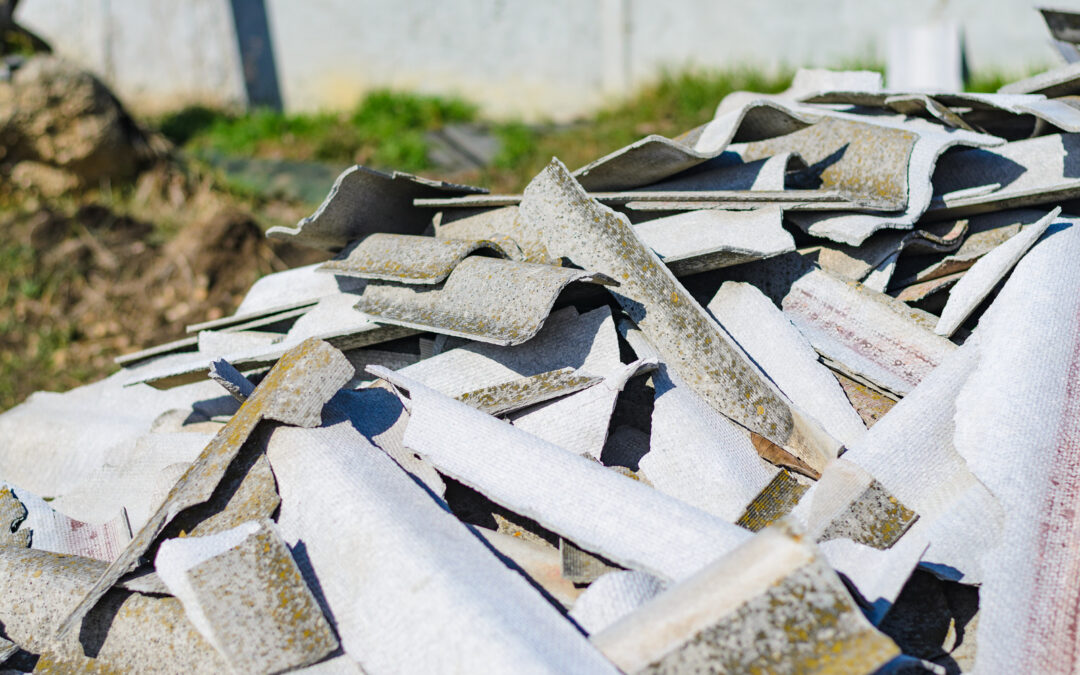
When construction or renovation projects take place, especially in older buildings, dealing with hazardous materials isn’t optional; it’s a legal and safety necessity. One of the most tightly regulated materials on job sites is asbestos. Failing to handle or dispose of it properly can lead to severe consequences that extend far beyond fines. From worker safety to legal liability, skipping proper disposal can have long-lasting impacts on both a company’s reputation and bottom line.
Why Proper Disposal Matters
In the past, asbestos was widely used in insulation, roofing, and other construction materials because of its strength and resistance to heat. However, once disturbed, its tiny fibers can easily become airborne, creating serious health hazards. Inhalation of these fibers has been linked to chronic respiratory diseases and cancer.
For this reason, the British Columbia government has strict regulations that require construction companies to follow specific handling, containment, and disposal steps. These rules aren’t just bureaucratic red tape; they exist to protect workers, clients, and the wider community from dangerous exposure.
The Legal Repercussions of Improper Disposal
Skipping proper disposal isn’t just unsafe, it’s illegal. Under WorkSafeBC and the BC Hazardous Waste Regulation, construction firms are legally obligated to identify, remove, and dispose of asbestos-containing materials in a certified and traceable way.
If a business fails to comply, it could face:
- Hefty fines and penalties – Violations of hazardous waste laws can cost tens of thousands of dollars.
- Work stoppages – Non-compliance can result in job site shutdowns, causing delays and lost revenue.
- Legal action – Companies may be held liable if workers, clients, or the public are exposed due to improper disposal.
- Loss of licensing – Serious or repeated violations may lead to suspension or revocation of contractor licenses.
Essentially, neglecting proper disposal can cost a firm much more than the disposal fees they were trying to avoid.
The Environmental Impact
Improperly dumped construction waste doesn’t just vanish. When asbestos-containing debris ends up in regular landfills, it risks contaminating air, soil, and groundwater. These materials don’t break down over time; instead, they remain hazardous for decades.
Environmental agencies monitor disposal sites closely. If waste is traced back to a specific contractor, that company can face environmental cleanup costs, penalties, and public exposure of its wrongdoing. In addition, unsafe dumping damages the city’s sustainability goals and public trust in the construction industry.
Health and Safety Consequences
Beyond the legal and environmental risks, worker safety is perhaps the most immediate concern. When crews unknowingly handle or dispose of asbestos waste disposal Victoria without proper training or protective gear, they risk exposure that can cause serious health problems years later.
Even small-scale renovation projects in older buildings can release harmful fibers if handled improperly. This can endanger not only workers but also nearby residents or office occupants.
Companies that disregard safe practices may also face WorkSafeBC investigations if workers report unsafe conditions, which can lead to financial penalties, lawsuits, or even criminal charges.
How Proper Disposal Protects Construction Firms
Following the correct procedures may seem like extra work, but it actually saves construction businesses time and money in the long run. By working with certified hazardous waste disposal services, firms ensure:
- Legal compliance – Proper documentation and manifests prove that disposal followed provincial regulations.
- Workplace safety – Trained professionals handle hazardous materials safely, protecting crews from exposure.
- Environmental responsibility – Waste is taken to approved facilities that seal and contain dangerous materials permanently.
- Reputation management – Clients and regulators recognize responsible contractors as trustworthy and professional.
In a competitive construction market like Victoria’s, reputation is everything. Firms that demonstrate compliance and care can win more contracts and maintain strong relationships with regulators and clients.
What Proper Disposal Looks Like in Practice
The process typically involves several key steps:
- Site Assessment – Certified inspectors identify any suspect materials before demolition or renovation begins.
- Containment and Removal – Trained workers isolate affected areas and carefully remove hazardous materials under controlled conditions.
- Packaging and Labeling – Waste is sealed in heavy-duty containers or double-layered plastic bags clearly marked with hazard labels.
- Transport – The waste is transported in approved vehicles following all hazardous material transport guidelines.
- Final Disposal – It’s delivered to a licensed facility for safe burial or encapsulation, preventing any fiber release into the environment.
Each stage is documented to maintain a clear record of responsible handling from start to finish.
Avoiding Risk Through Professional Support
Many construction firms rely on specialized Commercial Waste Disposal Victoria providers to manage hazardous waste properly. These companies are trained and licensed to handle such materials safely and in compliance with all provincial laws.
By outsourcing disposal to certified professionals, contractors eliminate the guesswork and ensure every aspect of the process, from removal to landfill, meets environmental and safety standards.
A Responsible Choice for the Future
Victoria’s commitment to sustainability depends on responsible waste management from all industries, especially construction. Proper disposal isn’t just about meeting regulations; it’s about doing what’s right for the environment, workers, and the community.
By following safe disposal practices, construction firms protect their employees, reduce liability, and contribute to a cleaner, healthier.
If your construction business needs safe and compliant hazardous material disposal, Canadian Empire Recycling can help. Their certified team manages hazardous and construction waste according to all safety and environmental standards, providing peace of mind for local contractors.
Contact Canadian Empire Recycling to learn how they can help you meet your waste management responsibilities efficiently and safely.