
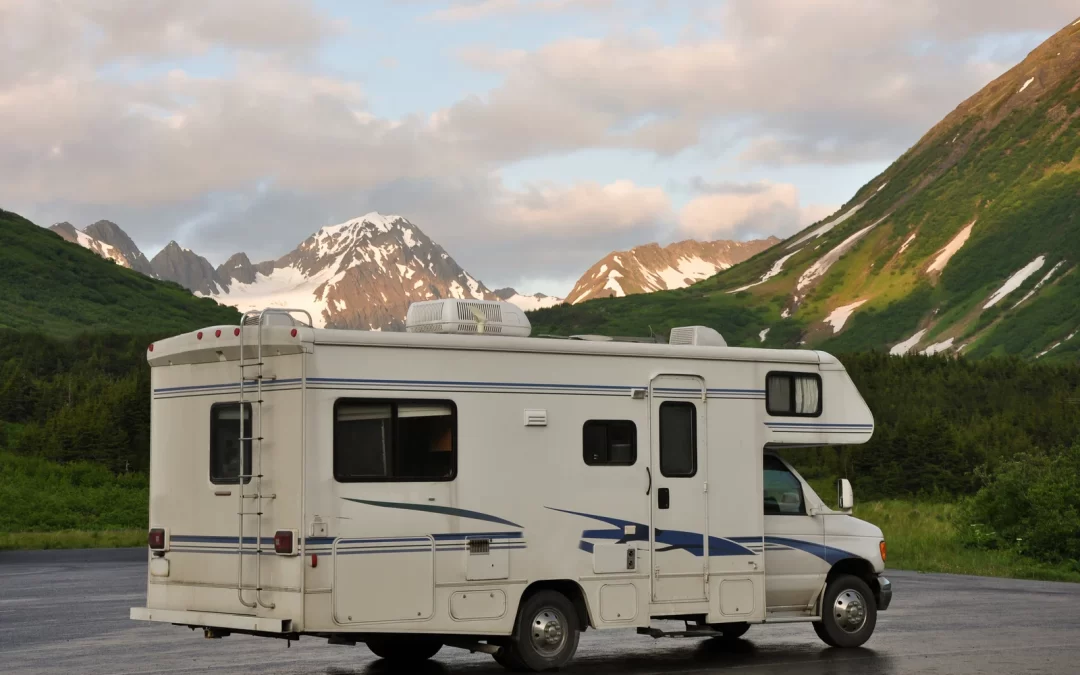
Owning an RV gives you the freedom to explore British Columbia’s scenic highways and enjoy life on the road. But after years of use, maintenance, and upgrades, there comes a time when your recreational vehicle reaches the end of its life. Whether it’s an aging motorhome that no longer runs or a damaged travel trailer that’s too costly to repair, responsible RV disposal in Victoria is essential for protecting the environment and following local waste management regulations.
Disposing of an RV isn’t as simple as taking it to the landfill. These vehicles contain a complex mix of materials metal, fiberglass, wood, rubber, electronics, and sometimes hazardous fluids. Knowing how to handle each component properly helps you stay compliant with local rules while contributing to sustainability goals.
Understanding the Challenge of RV Disposal
An RV is much more than a large vehicle; it’s a mobile home with many integrated systems. That means disposal involves more than just scrapping a car. RVs contain:
- Metal frames and aluminum siding
- Fiberglass shells or roof panels
- Wood interiors and insulation
- Plastic tanks and PVC piping
- Electrical wiring, batteries, and propane systems
- Fluids such as oil, antifreeze, and brake fluid
Each of these components must be handled differently. For instance, the metal frame can be recycled, the fiberglass can be sent for specialized processing, and the fluids must be safely drained and disposed of as hazardous waste. Because of these complexities, working with a professional recycling and disposal service ensures that your old RV is dismantled and processed safely.
Step 1: Remove Personal Belongings
Before arranging for disposal, go through your RV carefully and remove all personal items. Check every cabinet, drawer, and storage compartment. Don’t forget the exterior storage bays, under-seat compartments, and rooftop carriers.
If you’re planning to donate or sell parts, ensure that the camper is empty and cleaned. Many recyclers or buyers won’t accept an RV filled with belongings or debris, as this adds extra handling and disposal costs.
Step 2: Drain and Handle Fluids Safely
RVs often contain several types of fluids that can harm the environment if not disposed of properly. This includes:
- Engine oil and transmission fluid
- Coolant and antifreeze
- Fuel from the tank or generator
- Brake and power steering fluid
- Propane or natural gas
Improperly draining or dumping these substances can contaminate soil and groundwater. Licensed recyclers and disposal facilities are equipped to safely remove and manage these fluids in compliance with provincial hazardous waste regulations.
If you’re handling any of this yourself, make sure to collect and store fluids in approved containers and take them to a hazardous waste drop-off depot or authorized recycling facility.
Step 3: Remove Reusable and Recyclable Parts
Before scrapping the camper, identify parts that can be reused or recycled. Many components have resale or recycling value, such as:
- Aluminum panels and window frames
- Wheels and tires
- Batteries
- Appliances (fridge, microwave, stove)
- Plumbing fixtures
- Electrical components
- Furniture or cabinetry in good condition
If the camper is still partially functional, consider selling or donating these parts before disposal. This not only reduces waste but can offset some of the recycling or towing costs.
Step 4: Arrange for Professional RV Disposal
When your vehicle is stripped of personal items and reusable components, the next step is professional disposal. Specialized recycling services can dismantle the camper, separate materials, and ensure proper waste processing.
Professional camper disposal typically includes:
- Towing or hauling – The camper is safely transported from your property to the recycling site.
- Deconstruction – The vehicle is dismantled to separate recyclable materials.
- Recycling and waste sorting – Metal, wood, fiberglass, and other materials are sorted and processed responsibly.
- Safe disposal of hazardous waste – Any remaining fluids, electronics, or batteries are handled according to environmental standards.
This approach ensures maximum recycling efficiency while minimizing environmental impact. It’s also safer than attempting to dismantle the vehicle on your own, especially since RVs contain electrical and gas systems that require expert handling.
Step 5: Ensure Proper Documentation
If your RV is still registered, make sure to cancel its insurance and registration before disposal. Some disposal facilities may also require proof of ownership or a release of liability form. This step protects you from any future responsibility for the vehicle after it’s been handed over.
Once the disposal is complete, request documentation from the recycling company confirming that your camper was processed according to environmental standards. This can be useful for record-keeping or tax purposes, especially if you’ve donated the vehicle or its parts.
The Environmental Importance of Responsible RV Disposal
Improper disposal of large vehicles like RVs can lead to significant environmental damage. Dumping or abandoning a camper allows hazardous substances like oil, lead-acid batteries, and coolant to seep into soil and waterways.
By working with a licensed recycling company, you ensure that:
- Metals and plastics are recycled instead of being sent to a landfill
- Fiberglass and rubber are processed safely
- Fluids and chemicals are disposed of without harming the environment
- Victoria’s landfill space is preserved for non-recyclable waste
This responsible approach helps support the city’s commitment to sustainability and aligns your actions with local waste reduction goals.
Tips for Choosing the Right RV Disposal Service in Victoria
When selecting a disposal or recycling partner, look for:
- Experience and certification – Ensure the company is licensed for vehicle recycling and hazardous waste disposal.
- Transparency – Ask how they handle various materials and whether they provide documentation.
- Eco-friendly practices – Choose a company that prioritizes recycling and waste diversion.
- Comprehensive service – A full-service recycler can manage towing, dismantling, and documentation for you.
Working with a trusted disposal partner takes the stress out of the process and ensures that your camper is handled responsibly from start to finish.
Partner with Canadian Empire Recycling
For reliable and eco-friendly RV disposal in Victoria, we offer professional solutions tailored to your needs. Their experienced team handles the collection, dismantling, and recycling of old RVs, ensuring all materials are properly processed according to environmental standards.
Whether you’re dealing with an abandoned RV, an old motorhome, or a trailer that’s no longer roadworthy, Canadian Empire Recycling provides a safe, sustainable, and compliant way to manage disposal. They also handle a wide range of waste management services across British Columbia, including vehicle recycling, hazardous material handling, and commercial waste removal in Victoria.
Contact Canadian Empire Recycling to schedule your camper disposal in Victoria and take the next step toward responsible waste management.