
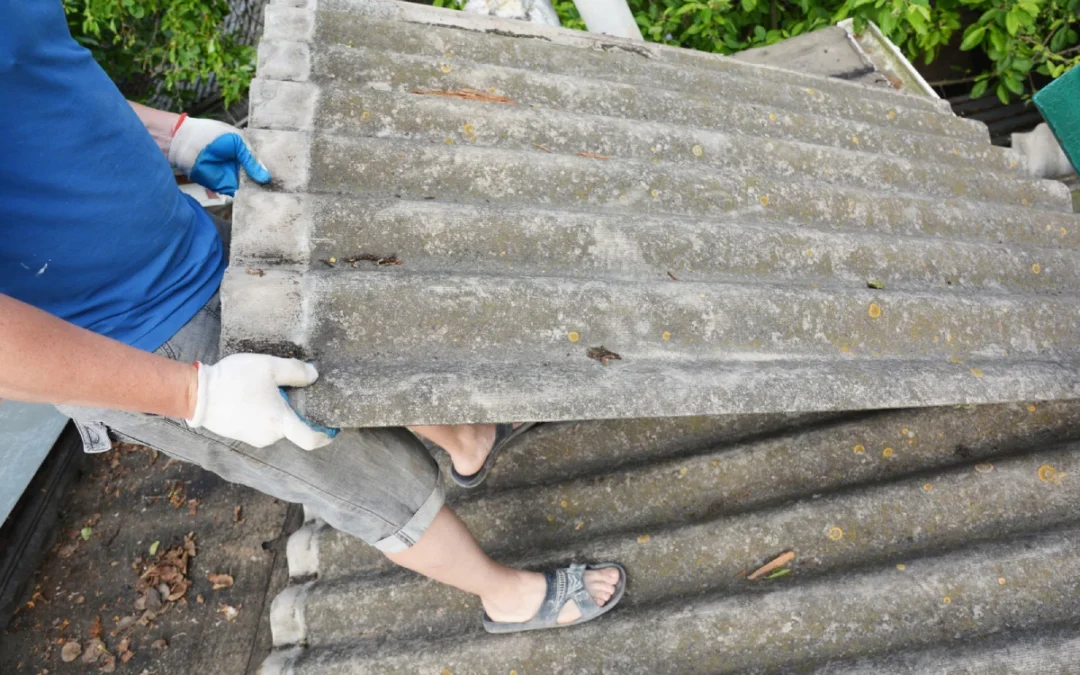
A renovation waste plan usually accounts for drywall, wood, metal, packaging, concrete, and other construction debris. But what happens when an older building contains materials that may contain asbestos?
That question can change how waste is handled, how the work is scheduled, and what happens after materials are removed.
For contractors and property managers working on older buildings in Victoria, Asbestos Waste Disposal Victoria should be considered before renovation or demolition begins—not after asbestos-containing material has already been removed.
A Regular Construction Waste Plan May Not Be Enough
Most renovation projects involve several predictable waste streams. Contractors may arrange bins, recycling, material recovery, and regular debris removal well in advance.
Asbestos requires a different level of planning.
If asbestos-containing material is identified during a project, it should not simply be added to the regular construction waste stream. The material needs appropriate handling, containment, transportation, and disposal based on the circumstances of the project and applicable requirements.
This is why asbestos should have its own place in the project waste plan.
Why Older Victoria Buildings Deserve Extra Attention
Many renovation projects involve buildings that were constructed or renovated decades ago. Materials used during earlier construction periods may contain asbestos.
Potential asbestos-containing materials can include certain:
- Flooring products
- Insulation
- Drywall compounds
- Roofing materials
- Cement products
- Pipe-related materials
- Other building components
However, appearance or building age alone cannot confirm whether a material contains asbestos.
If planned work could disturb suspect materials, appropriate assessment or testing should be arranged before the work proceeds where required.
The Waste Plan Should Start Before Removal
One of the easiest mistakes is treating asbestos disposal as something to organize after the removal crew finishes.
A better approach is to ask several questions before work begins:
What materials could be affected?
Identify areas where suspect materials may be present and determine what assessment or testing is appropriate.
Who will perform the asbestos-related work?
Where asbestos abatement is required, the project should involve appropriately qualified and certified personnel and follow applicable WorkSafeBC requirements.
How will the waste be contained?
Confirm the packaging and containment requirements that apply to the specific asbestos waste.
How will it leave the property?
Transportation and loading should be considered before material begins accumulating.
Where will it go?
Confirm that the selected waste service or receiving facility is appropriate for the specific material.
These questions turn asbestos disposal from a last-minute task into a planned part of the renovation.
Don’t Let Asbestos Waste Mix With Everything Else
A busy construction site can generate waste quickly. Workers may be handling demolition debris while electricians, plumbers, drywall installers, and other trades are preparing for their next stage of work.
Without clear instructions, different waste streams can easily become mixed.
Asbestos-containing waste should be kept separate from ordinary construction debris.
A project-specific waste plan can identify:
- The designated asbestos waste area
- Appropriate containment procedures
- Who can handle the material
- How waste should be moved
- When pickup or transportation is scheduled
- What happens after the waste leaves the site
Clear procedures are particularly important when multiple contractors or subcontractors are working on the same property.
Packaging Is Part of the Disposal Plan
Proper disposal does not begin when the waste reaches a disposal facility. It begins with how the material is contained at the job site.
Asbestos waste may include building materials, debris, insulation, or other material generated during abatement. The waste needs to remain appropriately contained during handling and transportation.
Contractors should confirm the current packaging requirements that apply to their particular waste rather than assuming that a method used on another project will automatically be suitable.
This small planning step can prevent unnecessary handling problems later.
What Happens to the Rest of the Construction Waste?
Adding asbestos planning does not mean every material from the renovation has to follow the same disposal route.
A well-organized project can separate different waste streams so that each material is handled appropriately.
For example, a renovation might generate:
General construction debris
Materials that can enter the appropriate regular construction waste stream.
Recyclable materials
Metal, cardboard, or other materials that may be recovered through suitable recycling channels.
Specialty or hazardous materials
Waste requiring specific handling because of its characteristics.
Asbestos-containing waste
Material that requires dedicated handling and disposal arrangements.
Separating these categories can make the overall cleanup more manageable and reduce the chance of unsuitable materials being placed together.
Asbestos Can Affect More Than the Waste Budget
Contractors often think about asbestos in terms of removal costs. But the impact can extend into the project schedule.
A discovery may affect:
- Demolition sequencing
- Worker access
- Waste-container requirements
- Transportation arrangements
- Cleanup timing
- Other trades waiting for access
- Project completion dates
That is why asbestos planning should be included in the broader renovation schedule.
If asbestos is discovered after demolition has already started, the project may need to pause or change its sequence while the appropriate next steps are arranged.
Don’t Assume a Small Amount Is Not Important
A smaller renovation does not automatically mean asbestos planning can be ignored.
Even a limited amount of asbestos-containing material can require appropriate handling and disposal. The important question is not simply how large the renovation is, but what material is being disturbed and what requirements apply to the work.
Contractors should therefore consider asbestos during the planning stage whether they are completing a large commercial renovation or a smaller project involving an older building.
What Should Victoria Contractors Put on the Checklist?
Before starting renovation or demolition work where asbestos may be present, consider adding these items to the project checklist:
- Identify areas where suspect materials may be disturbed.
- Arrange appropriate assessment or testing where required.
- Confirm who will perform asbestos-related work.
- Review applicable worker-protection and abatement requirements.
- Establish a separate asbestos waste-handling procedure.
- Confirm packaging and containment requirements.
- Arrange suitable transportation and disposal.
- Keep asbestos waste separate from regular construction debris.
- Coordinate waste removal with the project schedule.
- Confirm any required inspection, cleaning, or clearance procedures before normal work resumes.
This approach gives the project team a clearer understanding of what needs to happen before, during, and after asbestos-related work.
What If Asbestos Is Discovered Mid-Renovation?
Sometimes asbestos is identified only after work has already started.
If a material is suspected of containing asbestos, contractors should avoid disturbing it further until the appropriate assessment and next steps have been established.
The project team can then determine whether testing, abatement, specialized handling, or other measures are required.
The important point is not to improvise. A controlled response is easier to manage than discovering later that suspect material has been damaged, mixed with other debris, or moved without the appropriate precautions.
Build the Waste Plan Around the Whole Project
The most effective renovation waste plan is not simply a list of bins.
It considers where waste will be generated, how different materials will be separated, when containers are required, how specialty waste will be handled, and how the site will transition from demolition to the next stage of construction.
For Victoria contractors, including asbestos from the beginning can make the entire waste-management process more predictable.
It also gives the project team time to arrange appropriate disposal rather than trying to solve the problem after material has already accumulated.
A renovation may already have a detailed waste plan, but that plan is incomplete if it does not account for asbestos where older building materials may be disturbed. Identifying suspect materials early, arranging qualified asbestos-related work, separating the waste, and planning appropriate disposal can help keep the project organized.
When asbestos is part of the renovation, disposal should be planned alongside the work—not treated as the final cleanup task.
Need Asbestos Waste Disposal in Victoria?
If your Victoria renovation or demolition project may generate asbestos-containing waste, Canadian Empire Recycling can help you plan an appropriate disposal solution. Contact Canadian Empire Recycling to discuss your project requirements and arrange asbestos waste disposal before cleanup begins.