
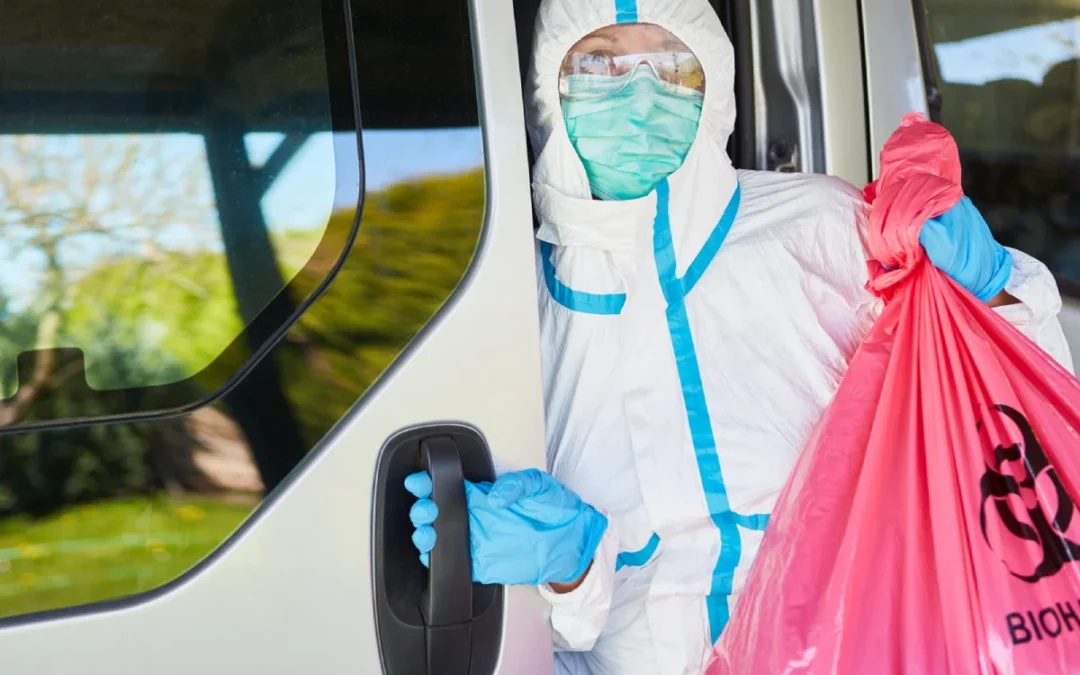
When hazardous waste leaves a commercial property, the job is not necessarily finished. In many cases, that is where a carefully managed waste-handling process begins.
Businesses in Victoria may generate hazardous materials through maintenance, manufacturing, renovations, automotive work, property management, laboratories, industrial operations, and other commercial activities. Once these materials are ready for removal, businesses need to know what happens next—not just where the waste is picked up.
Understanding the journey of commercial hazardous waste can help businesses make better decisions about storage, collection, documentation, transportation, and disposal.
What Happens First After Hazardous Waste Is Collected?
The first stage is identifying and handling the material according to its characteristics.
Hazardous waste is not one single type of material. It can include chemicals, contaminated materials, certain oils, solvents, paints, batteries, and other substances that require controlled handling.
Before the material moves further through the waste-management process, its characteristics can determine how it needs to be handled, transported, treated, recycled, or disposed of.
This is one reason businesses should avoid treating hazardous materials like ordinary commercial garbage.
Step 1: The Waste Is Identified and Classified
Once hazardous material is collected, understanding exactly what it is becomes important.
The type of material, its physical state, potential hazards, quantity, and packaging can all affect the next steps.
For a commercial operation, this may mean separating different waste streams instead of combining everything into a single container.
For example, containers of chemicals may need to remain separate from other materials, while certain recyclable hazardous materials may follow a different processing route.
Proper identification helps ensure that the material is directed toward an appropriate handling process.
Step 2: Packaging and Transportation Matter
Hazardous waste cannot simply be moved in the same way as regular garbage.
Containers may need to be suitable for the material being transported and secured to reduce the risk of leaks, spills, exposure, or accidental mixing.
Transportation is also an important part of the overall process because hazardous materials need to move from the commercial property to the appropriate receiving or processing facility.
For businesses, this means the disposal process involves more than putting waste beside a loading area and waiting for pickup.
Step 3: The Waste Reaches an Appropriate Facility
After collection and transportation, hazardous waste is taken to a facility equipped to receive and manage the relevant material.
What happens next depends heavily on the type of waste.
Some materials may be suitable for recycling or resource recovery. Others may require treatment before they can be safely managed. Certain materials may require specialized disposal methods because they cannot be recycled or reused.
This is why the destination of hazardous waste matters.
A commercial business should work with a provider that understands the characteristics of the material and the appropriate handling requirements rather than assuming every waste stream follows the same route.
Step 4: Some Hazardous Materials Can Be Recovered or Recycled
The word “hazardous” does not automatically mean that a material has no further value.
Depending on the material and its condition, some waste streams may have opportunities for recycling, recovery, or other forms of resource management.
This can be particularly relevant for businesses generating larger quantities of commercial waste.
Separating materials correctly at the source can make downstream processing more efficient and may prevent recyclable materials from being unnecessarily mixed with waste requiring disposal.
Step 5: Other Materials Require Treatment or Specialized Disposal
Not every hazardous material can be recovered.
Some substances require treatment or controlled disposal because their properties create environmental or safety concerns.
The treatment method depends on the material involved. A waste stream may require processes designed to reduce its hazardous characteristics or prepare it for a suitable final disposal method.
The important point for businesses is that hazardous waste does not follow a universal disposal path.
Why Businesses Should Care About the Waste’s Final Destination
It can be easy to think of waste removal as complete once a container leaves the property.
For responsible commercial waste management, however, the process involves more than simply getting waste off-site.
Businesses should consider:
- What material is being removed?
- How is it packaged?
- How is it transported?
- Where is it being received?
- Can any part of it be recovered or recycled?
- Does it require treatment?
- What documentation applies to the waste?
These questions become particularly important when a business regularly produces hazardous materials.
What Can Go Wrong With Poor Hazardous Waste Handling?
Improper handling can create risks long before the waste reaches its final destination.
Problems may begin with incorrect storage, incompatible materials being mixed, damaged containers, poor labeling, or unsuitable transportation arrangements.
A spill or leak can also create additional cleanup requirements and potentially affect workers, visitors, property, or the surrounding environment.
For this reason, businesses should treat hazardous waste as a planned operational responsibility rather than an afterthought.
Commercial Hazardous Waste Is Often a Process, Not a Single Pickup
For a Victoria business, the complete waste journey may involve several stages:
Generation → Identification → Segregation → Collection → Transportation → Processing → Recovery, Treatment, or Disposal
Each stage has a purpose.
This process-oriented approach is especially useful for businesses that produce hazardous waste regularly. Instead of waiting until storage areas become overloaded, businesses can establish procedures for identifying waste and arranging appropriate removal.
When Should a Business Arrange Hazardous Waste Removal?
There is no single schedule that works for every commercial property.
The right timing can depend on the type and volume of waste, available storage space, operating conditions, and the requirements associated with the specific material.
Businesses should avoid allowing hazardous materials to accumulate simply because they are waiting for a convenient cleanup date.
A better approach is to establish a waste-management routine based on the site’s actual waste generation.
What Should Victoria Businesses Ask Their Disposal Provider?
Before arranging commercial hazardous waste disposal Victoria, businesses can ask practical questions about the service.
For example:
- What types of hazardous materials can be accepted?
- How should the waste be stored before pickup?
- Does the provider handle transportation?
- How are different waste streams separated?
- Can recyclable materials be recovered?
- What happens to the material after collection?
- What records or documentation are provided?
These questions can give businesses a clearer understanding of the entire disposal process rather than focusing only on the pickup itself.
The Bigger Picture: Where Hazardous Waste Goes Matters
A commercial property’s responsibility does not end simply because hazardous waste has been removed from its premises.
Understanding what happens after collection can encourage better waste segregation, safer storage practices, more efficient pickups, and more responsible material management.
For Victoria businesses, the goal should be to move hazardous materials through an appropriate process from the moment they are identified until they reach their intended recovery, treatment, or disposal destination.
Hazardous waste has a journey after it leaves a commercial property. It may be identified, separated, transported, processed, recovered, treated, or disposed of depending on its characteristics and the appropriate management requirements.
For businesses, understanding this process makes it easier to plan waste removal responsibly and avoid treating hazardous materials like ordinary garbage.
If your business needs help arranging commercial hazardous waste removal in Victoria, contact Canadian Empire Recycling & Disposal can help you plan the next step and manage your hazardous waste according to the requirements of your commercial operation.