
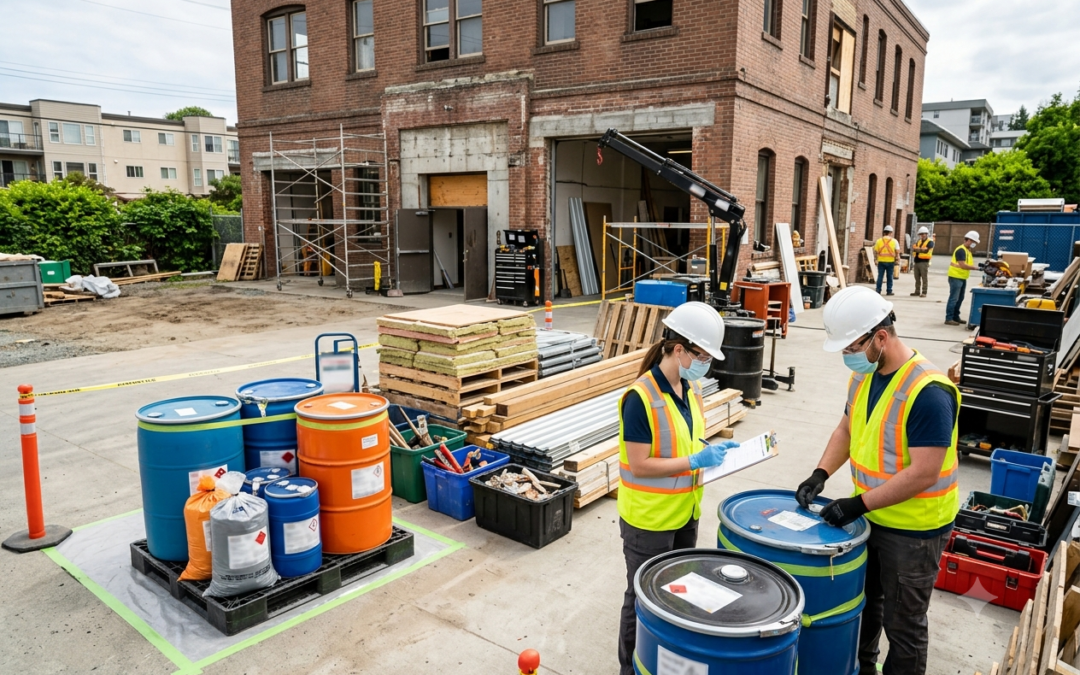
Commercial projects often depend on careful scheduling. Whether a business is renovating a facility, replacing equipment, relocating operations, or preparing a property for its next tenant, unexpected waste can create complications. Hazardous materials can be particularly challenging because they may require specialized handling and disposal rather than being placed with ordinary commercial debris.
For Victoria businesses, planning hazardous waste management before work begins can help reduce unnecessary interruptions. By identifying potentially hazardous materials, separating waste streams, and arranging appropriate disposal in advance, businesses can keep projects more organized and avoid last-minute waste-related problems.
Why Can Hazardous Waste Delay Commercial Projects?
Hazardous waste can affect a project timeline when materials are discovered unexpectedly or when the project team has not planned for their removal.
For example, a facility cleanout may uncover old chemicals, batteries, solvents, oils, paints, contaminated materials, or other substances that cannot simply be placed in a standard commercial waste container.
If these materials are identified after contractors have already started work, the project may need additional planning before the waste can be handled appropriately.
This is why Commercial Hazardous Waste Disposal should be considered during the early planning stages of a commercial project rather than after waste has already accumulated.
Identify Potential Hazardous Materials Before Work Starts
One of the simplest ways to reduce delays is to inspect the property before renovation, demolition, relocation, or major cleanup activities begin.
Businesses should pay particular attention to areas where potentially hazardous materials are commonly stored, including:
- Maintenance rooms
- Workshops
- Storage areas
- Utility rooms
- Mechanical spaces
- Laboratories
- Garages
- Chemical storage areas
Old containers, unlabeled products, damaged packaging, and materials left behind by previous occupants should not automatically be treated as regular garbage.
Where a material is suspected to be hazardous, businesses should seek appropriate professional guidance before disturbing or disposing of it.
Create a Hazardous Waste Inventory
Once potentially hazardous materials have been identified, creating an inventory can make the disposal process more organized.
A basic inventory can include:
- Material or product name
- Approximate quantity
- Container type
- Container condition
- Available labels or identifying information
- Location where the material was found
- Any visible signs of leakage or damage
This information can help a qualified waste provider understand what type of materials may require collection and what preparation may be necessary.
An inventory also gives project managers a clearer picture of the waste that needs to be addressed before the project progresses.
Keep Hazardous Waste Separate From General Commercial Waste
Hazardous materials should not be mixed with ordinary commercial debris.
A business may generate several different waste streams during a renovation or facility cleanout, including furniture, cardboard, packaging, scrap metal, construction materials, and general rubbish. Hazardous materials need to be identified and managed separately.
Keeping waste streams separated can help prevent contamination and make the disposal process more efficient.
It also makes it easier for businesses to identify recyclable materials instead of sending everything through the same disposal route.
Plan Collection Before Waste Accumulates
Waiting until hazardous waste has accumulated can create unnecessary scheduling problems.
Businesses should consider arranging waste collection as part of the overall project plan. This is particularly important for larger renovations, commercial cleanouts, facility closures, and equipment replacement projects.
Planning gives businesses more flexibility to coordinate waste collection with contractors and other project activities.
For businesses searching for Hazardous Waste Disposal Victoria, early communication with a qualified provider can help clarify what information and preparation may be required before collection.
Communicate With Contractors
Commercial projects often involve multiple contractors working on different parts of the same property. If hazardous materials are present, everyone involved should understand how those materials are being managed.
Project managers should communicate:
- Which areas contain potentially hazardous materials
- Which materials require separate handling
- Who is responsible for identifying waste
- Who will coordinate waste collection
- Where different waste streams should be kept
- What procedures apply if unexpected materials are discovered
Clear responsibilities can prevent confusion and reduce the possibility of hazardous materials being placed into the wrong waste stream.
What If Hazardous Waste Is Discovered Mid-Project?
Sometimes hazardous materials are not identified until work is already underway.
If workers discover an unfamiliar chemical container, contaminated material, or other potentially hazardous substance, they should avoid treating it as ordinary construction debris.
The material should be isolated as appropriate, and the project team should determine what it is and how it needs to be handled.
Attempting to move, open, mix, or dispose of an unknown material without proper information can create additional risks and potentially cause greater project delays.
Early professional guidance can help businesses determine the appropriate next step.
Consider Hazardous Waste When Replacing Equipment
Equipment upgrades can create another source of unexpected hazardous waste.
Businesses replacing old machinery, appliances, electrical equipment, or maintenance systems may discover batteries, oils, chemicals, electronic components, or contaminated materials associated with the equipment.
Before removing old equipment, businesses should identify whether any components require specialized handling.
Including these materials in the project waste plan can help prevent a situation where new equipment is ready for installation but old equipment or associated hazardous materials remain on site.
Avoid Improvised Disposal Methods
When businesses are under pressure to meet a project deadline, it can be tempting to find the fastest way to get rid of unwanted materials.
However, hazardous waste should not be poured into drains, mixed with other chemicals, burned, or placed into regular garbage without confirming that the disposal method is appropriate.
Improper disposal can create safety, environmental, and compliance concerns while potentially causing greater delays than the original waste problem.
A planned disposal process is generally a better approach than trying to resolve hazardous waste at the last minute.
Build Waste Management Into the Project Timeline
Waste management should be treated as part of the project rather than something that happens after the work is finished.
A project schedule can include time for:
- Initial property inspection
- Identification of potentially hazardous materials
- Appropriate assessment where required
- Waste segregation
- Collection arrangements
- Transportation
- Final site cleanup
Including these steps early helps project managers understand how waste activities fit alongside construction, renovation, or relocation work.
Keep Documentation Organized
Businesses should maintain relevant records associated with hazardous materials and waste management.
Depending on the project and waste type, documentation may include inventories, waste descriptions, collection records, or other information required for proper waste management.
Keeping records organized can make it easier to answer questions about where materials came from, what was removed, and how the waste was managed.
This can be especially useful for commercial properties undergoing major renovations or changes in occupancy.
How Can Businesses Reduce Future Hazardous Waste Problems?
Preventing hazardous waste buildup can make future projects easier.
Businesses can:
- Review stored materials regularly
- Remove obsolete products through appropriate channels
- Keep containers clearly identified
- Maintain updated material inventories
- Train employees to recognize potentially hazardous materials
- Separate hazardous materials from general waste
- Plan waste removal before major renovations
- Review waste requirements before replacing equipment
These practices can reduce the amount of unexpected waste discovered during future cleanouts and facility upgrades.
Plan to Keep Commercial Projects Moving
Hazardous waste does not necessarily have to disrupt a commercial project. The biggest problems often occur when materials are discovered unexpectedly, and there is no waste management plan in place.
By inspecting facilities early, identifying potentially hazardous materials, separating waste streams, communicating with contractors, and arranging appropriate collection in advance, Victoria businesses can reduce avoidable interruptions.
For businesses that need Commercial Hazardous Waste Disposal Victoria, early planning can make waste management a more predictable part of the overall project timeline.
If your business needs professional assistance with hazardous waste management, Canadian Empire Recycling & Disposal can help you plan an appropriate solution for your commercial project. Contact Canadian Empire Recycling & Disposal to discuss your Hazardous Waste Disposal Victoria requirements and arrange the right waste management approach.