
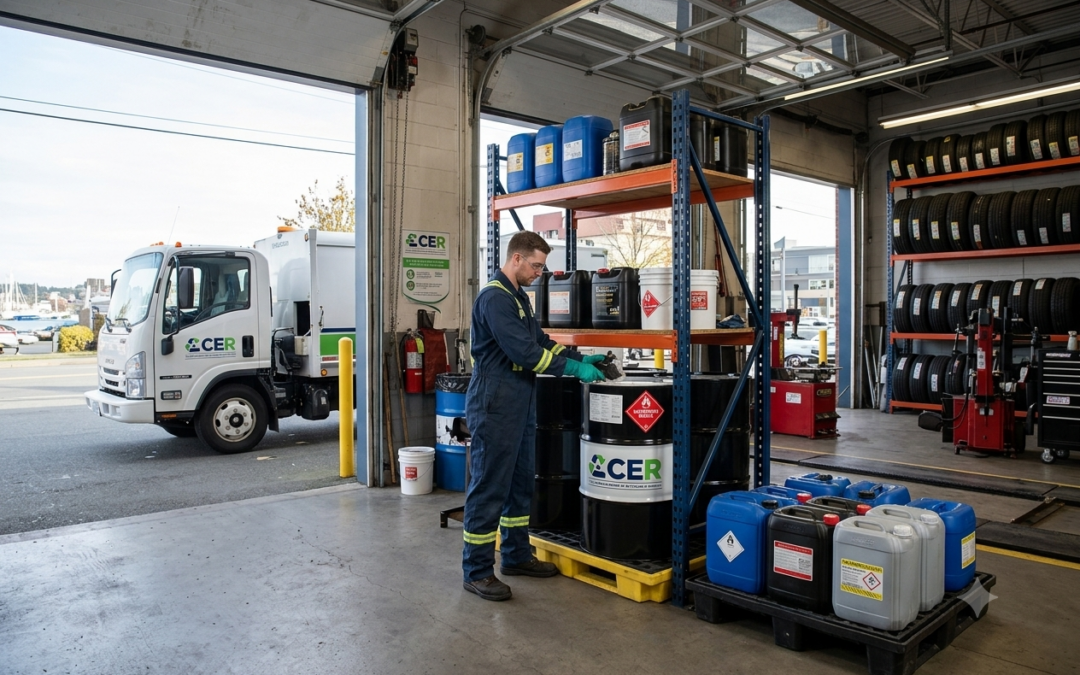
Most people associate tire shops with stacks of old tires waiting to be recycled. However, tires are only one part of the waste generated during daily operations. Behind every tire replacement, wheel balancing, or repair service lies a variety of hazardous materials that require careful handling. From used motor oil and contaminated absorbents to brake cleaners, solvents, and automotive batteries, these materials can pose serious environmental and workplace risks if they are not managed properly.
For businesses seeking Commercial Hazardous Waste disposal, understanding these hidden waste streams is essential for maintaining compliance, protecting employees, and supporting sustainable operations.
Why Tire Shops Generate More Than Just Tire Waste
Every vehicle serviced in a tire shop produces multiple waste streams. While worn-out tires are highly visible, many hazardous materials are created during inspections, repairs, and maintenance work.
Common sources include:
- Tire mounting and balancing
- Wheel cleaning
- Brake inspections
- Battery replacement
- Oil top-ups
- Equipment maintenance
These activities generate waste that cannot simply be placed in regular commercial dumpsters.
Used Motor Oil Is One of the Biggest Hidden Hazards
Even shops that focus primarily on tires often perform minor vehicle maintenance. During these services, used motor oil can accumulate quickly.
Improper storage or disposal may:
- Contaminate soil and groundwater.
- Create fire hazards.
- Violate environmental regulations.
- Increase workplace safety risks.
Businesses using Hazardous Waste Disposal Victoria services can ensure used oil is collected and managed responsibly instead of becoming an environmental liability.
Contaminated Shop Rags and Absorbents
Oil spills are common in busy tire shops. Employees frequently use absorbent pads, shop towels, or granular absorbents to clean leaks from vehicles and equipment.
Once contaminated with petroleum products or chemicals, these materials may require hazardous waste handling instead of general disposal.
Proper storage in sealed containers helps reduce contamination and improves workplace safety until collection.
Brake Cleaners, Solvents, and Degreasers
Cleaning products are essential for maintaining wheels and braking components, but many contain chemicals that should never enter municipal waste systems.
Examples include:
- Brake cleaner
- Parts washer solvents
- Degreasers
- Adhesive removers
- Chemical cleaning agents
These products should always be stored according to manufacturer recommendations and removed through qualified Commercial Hazardous Waste Disposal Victoria providers.
Automotive Batteries Require Specialized Recycling
Many tire shops also replace vehicle batteries. These batteries contain lead and corrosive acids that require controlled recycling.
Improper battery disposal can:
- Leak hazardous substances.
- Damage surrounding materials.
- Create health and environmental risks.
Separating batteries from general shop waste allows valuable materials to be recovered safely through approved recycling programs.
Tire Repair Chemicals Often Go Unnoticed
Many repair materials used every day contain hazardous ingredients.
Examples include:
- Tire sealants
- Vulcanizing cement
- Rubber adhesives
- Chemical patching compounds
Although used in small quantities, these products should never be mixed with ordinary commercial waste once they become unusable or expire.
Empty Containers May Still Be Hazardous
A common misconception is that empty chemical containers are automatically safe to discard.
Containers previously holding:
- Solvents
- Oils
- Degreasers
- Adhesives
- Cleaning chemicals
may still contain hazardous residues. Businesses should review product labels and disposal instructions before placing containers into recycling or waste bins.
Build a Waste Separation System
One of the easiest ways to improve waste management is by separating waste at the point where it is generated.
Create dedicated containers for:
- Used oil
- Oil filters
- Batteries
- Chemical containers
- Contaminated absorbents
- Scrap metal
- Tires
A structured waste separation process supports Commercial Waste Recycling Victoria while reducing disposal costs and improving collection efficiency.
Train Employees to Recognize Hazardous Materials
Employees are the first line of defense against improper waste disposal.
Training should cover:
- Hazard identification
- Safe storage procedures
- Spill response
- Waste segregation
- Emergency reporting
Regular staff education helps prevent contamination and keeps the workplace compliant with environmental requirements.
Stay Compliant with British Columbia Regulations
Businesses handling hazardous materials must follow provincial environmental requirements for storage, transportation, and disposal. Proper documentation and working with licensed waste management professionals help reduce compliance risks and protect both employees and the environment.
For guidance on hazardous waste management requirements in British Columbia, businesses can refer to the BC Hazardous Waste Regulation under the Environmental Management Act.
Old tires may be the most visible waste inside a tire shop, but they’re far from the only environmental responsibility. Used oil, contaminated absorbents, automotive batteries, chemical cleaners, and repair products all require careful management to reduce risk and maintain compliance. Establishing proper waste separation practices and scheduling regular hazardous waste collection helps tire shops operate more safely while supporting a cleaner Victoria.
Canadian Empire Recycling & Disposal
If your tire shop or automotive business needs dependable Commercial Hazardous Waste Disposal services, contact Canadian Empire Recycling & Disposal. They provide safe, reliable, and environmentally responsible solutions for hazardous commercial waste. From used oil and contaminated materials to batteries and automotive chemicals, their experienced team helps Victoria businesses manage hazardous waste efficiently while supporting regulatory compliance and sustainability.