
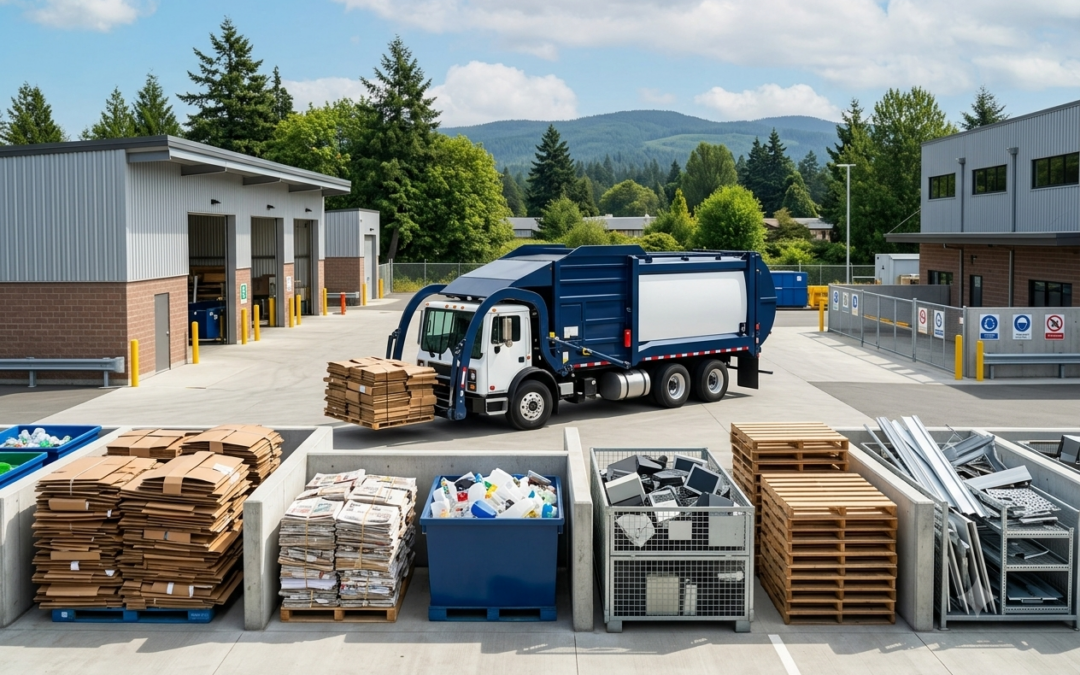
Commercial waste is an unavoidable part of running a business, but not everything needs to end up in a landfill. Many businesses in Victoria still dispose of recyclable materials simply because they are unaware of what can be recovered. By identifying recyclable waste and working with the right recycling partner, businesses can reduce landfill waste, improve sustainability, and create a more efficient waste management process.
Whether you operate an office, warehouse, retail store, restaurant, construction company, or manufacturing facility, understanding what materials can be recycled is an important step toward responsible Commercial Waste Recycling Victoria practices.
Why Commercial Waste Recycling Matters
Landfills continue to receive large amounts of recyclable commercial materials that could otherwise be recovered and reused. Recycling helps businesses:
- Reduce environmental impact
- Support sustainability initiatives
- Lower landfill waste
- Improve workplace organization
- Recover valuable recyclable materials
- Demonstrate environmental responsibility to customers
A structured recycling program also makes waste collection more efficient.
Cardboard and Paper Products
Cardboard is one of the most common recyclable materials generated by businesses.
Examples include:
- Shipping boxes
- Corrugated cardboard
- Office paper
- Newspapers
- Paper packaging
- Product cartons
Keeping cardboard dry and flattening boxes before collection helps improve recycling efficiency.
Scrap Metal
Many commercial properties regularly dispose of metal items during renovations, equipment upgrades, or warehouse cleanouts.
Recyclable metals include:
- Steel shelving
- Aluminum
- Copper wiring
- Stainless steel
- Metal racks
- Office furniture
Recovering scrap metal reduces landfill waste while conserving natural resources.
Plastic Packaging
Businesses generate significant amounts of plastic waste every week.
Common recyclable plastics include:
- Plastic containers
- Stretch wrap
- Shipping materials
- Storage bins
- Plastic packaging
- Protective wrapping
Separating plastics from general waste improves recycling rates.
Wooden Pallets and Crates
Retail stores, warehouses, and manufacturers often accumulate damaged pallets and wooden shipping crates.
These materials can frequently be:
- Repaired
- Reused
- Recycled into wood products
- Processed for other approved applications
Keeping wood separate from mixed waste helps maximize recovery opportunities.
Electronic Waste
Businesses regularly replace outdated technology.
Items commonly accepted through approved recycling programs include:
- Computers
- Monitors
- Printers
- Networking equipment
- Office phones
- Servers
Electronic waste contains valuable recyclable components that should never be placed in general garbage.
Construction and Renovation Materials
Commercial renovation projects often generate recyclable materials such as:
- Clean wood
- Metal framing
- Cardboard packaging
- Certain plastics
- Concrete and masonry materials were accepted
Separating materials during demolition and renovation makes recycling much more effective.
Glass and Beverage Containers
Restaurants, cafés, offices, and hospitality businesses generate glass waste daily.
Examples include:
- Beverage bottles
- Food containers
- Glass jars
Proper separation allows these materials to be processed through appropriate recycling programs.
What Should Not Go Into Commercial Recycling?
Some materials require specialized handling and should never be mixed with standard commercial recycling.
These include:
- Hazardous chemicals
- Paints
- Solvents
- Batteries
- Asbestos-containing materials
- Contaminated industrial waste
These items require professional hazardous waste management to ensure safe handling and environmental compliance.
Tips to Improve Commercial Recycling
Businesses can improve recycling by:
- Clearly labeling recycling containers
- Separating recyclable materials at the source
- Training employees on proper waste sorting
- Scheduling regular waste collections
- Monitoring the types of waste generated
Small operational changes can significantly increase recycling efficiency over time.
Work with an Experienced Recycling Partner
Professional waste management providers help businesses identify recyclable materials, organize collection schedules, and reduce the amount of waste sent to landfills. An experienced recycling partner can also recommend practical strategies that improve efficiency while supporting long-term sustainability goals.
Many commercial waste materials—including cardboard, paper, scrap metal, plastics, pallets, electronics, and glass—can often be recycled instead of being sent to landfills. Identifying these materials and separating them correctly helps businesses reduce waste, improve sustainability, and create a cleaner workplace.
If your business needs reliable commercial waste disposal services, Canadian Empire Recycling & Disposal provides dependable recycling solutions for offices, warehouses, retail stores, construction sites, and industrial facilities. Contact Canadian Empire Recycling & Disposal to develop a waste management solution tailored to your business.