
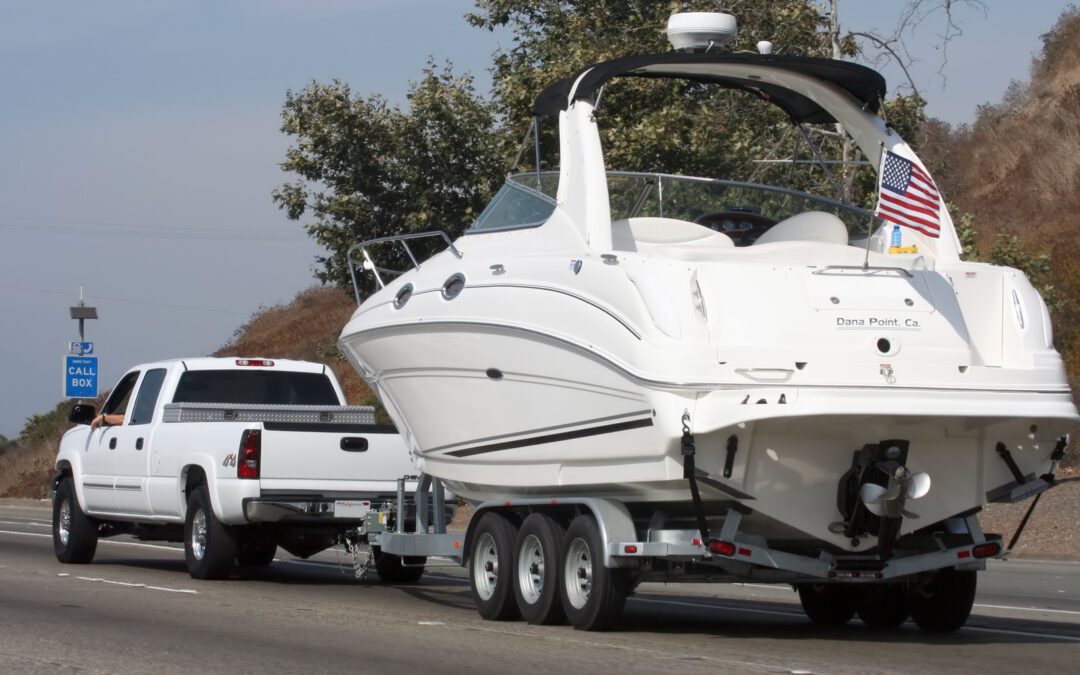
Fiberglass boats are durable, lightweight, and corrosion-resistant, which is why they remain popular among recreational boat owners. However, these same qualities make them difficult to dispose of responsibly once they reach the end of their useful life. Unlike metal boats, fiberglass cannot simply be scrapped with other recyclable materials, and abandoning an old vessel can create long-term environmental and safety concerns.
If you own an aging or damaged fiberglass boat in Victoria, understanding the proper disposal process can help you protect local waterways while ensuring valuable materials are managed responsibly. Choosing a professional Boat Disposal Victoria service is the safest and most environmentally responsible solution.
Why Fiberglass Boats Require Special Disposal
Fiberglass is made from reinforced plastic and glass fibers, making it highly durable but challenging to recycle using traditional waste streams.
Over time, old fiberglass boats may develop:
- Cracked hulls
- Structural weakness
- Water damage
- Mold and mildew
- Fuel or oil contamination
- Engine failure
When repairs become more expensive than the boat’s value, disposal is often the most practical option.
Signs It’s Time to Dispose of Your Boat
Not every aging boat needs immediate disposal, but some warning signs indicate replacement is the better investment.
These include:
- Extensive fiberglass cracking
- Soft or rotting deck sections
- Severe hull damage
- Major storm damage
- Continuous water leaks
- Engine failure with high repair costs
- Long-term abandonment
- Unsafe structural condition
If several of these issues are present, professional disposal may be the safest choice.
Why Abandoning a Fiberglass Boat Is Never a Good Idea
Some owners leave damaged boats on private property, vacant lots, or near waterways because disposal seems complicated.
Unfortunately, abandoned boats can:
- Leak fuel and oils
- Release hazardous materials
- Create navigation hazards
- Attract vandalism
- Damage local ecosystems
- Occupy valuable storage space
Responsible disposal helps keep Victoria’s coastal environment clean and safe.
What Should Be Removed Before Disposal?
Before a fiberglass boat is collected, several materials should be removed or safely managed.
These may include:
- Fuel
- Engine oil
- Batteries
- Fire extinguishers
- Propane tanks
- Electronics
- Personal belongings
- Safety equipment
Removing these items improves safety during transportation and recycling.
Can Fiberglass Boats Be Recycled?
Although fiberglass is more difficult to recycle than metals, many boat components can still be recovered.
Examples include:
- Aluminum parts
- Stainless steel hardware
- Copper wiring
- Engines
- Fuel tanks
- Metal trailers
- Batteries
Professional recycling facilities separate recyclable materials before responsibly managing the remaining fiberglass components.
The Importance of Professional Boat Disposal
Large fiberglass boats require specialized equipment for safe removal.
Professional disposal providers can assist with:
- Boat assessment
- Safe removal
- Heavy equipment transportation
- Hazardous material handling
- Material separation
- Environmentally responsible recycling
Attempting to dismantle a fiberglass boat without proper equipment may create unnecessary safety risks.
Environmental Benefits of Responsible Boat Disposal
Responsible disposal offers several environmental advantages.
These include:
- Reduced landfill waste
- Proper hazardous material handling
- Increased recycling of reusable components
- Protection of marine habitats
- Reduced pollution risks
- Cleaner waterfront areas
Every properly disposed of boat contributes to healthier coastal communities.
How Boat Owners Can Prepare for Disposal
Before scheduling removal, boat owners should:
- Remove personal belongings.
- Gather ownership documents if available.
- Photograph the boat’s condition.
- Empty storage compartments.
- Inform the disposal provider of any hazardous materials.
- Ensure safe access for removal equipment.
Preparation allows the disposal process to proceed more efficiently.
Why Early Disposal Saves Money
Many owners delay disposal because the boat is no longer being used.
However, waiting often leads to:
- Increased deterioration
- Higher removal costs
- Additional environmental risks
- More extensive cleanup requirements
Arranging disposal before the boat becomes severely damaged is often the most cost-effective solution.
Protect Victoria’s Coastline Through Responsible Disposal
Victoria’s waterways are one of the region’s greatest natural assets. Properly disposing of aging fiberglass boats helps reduce pollution, protects marine ecosystems, and keeps waterfront areas safe for future generations. Choosing responsible disposal practices is an important step toward preserving the local environment while ensuring unwanted boats are managed safely.
Trust Canadian Empire Recycling & Disposal
If your fiberglass boat has reached the end of its lifespan, contact Canadian Empire Recycling & Disposal for dependable and environmentally responsible Boat Disposal services. Their experienced team safely removes unwanted boats, manages recyclable materials whenever possible, and handles disposal with a strong commitment to environmental protection, helping boat owners dispose of aging vessels with confidence.