
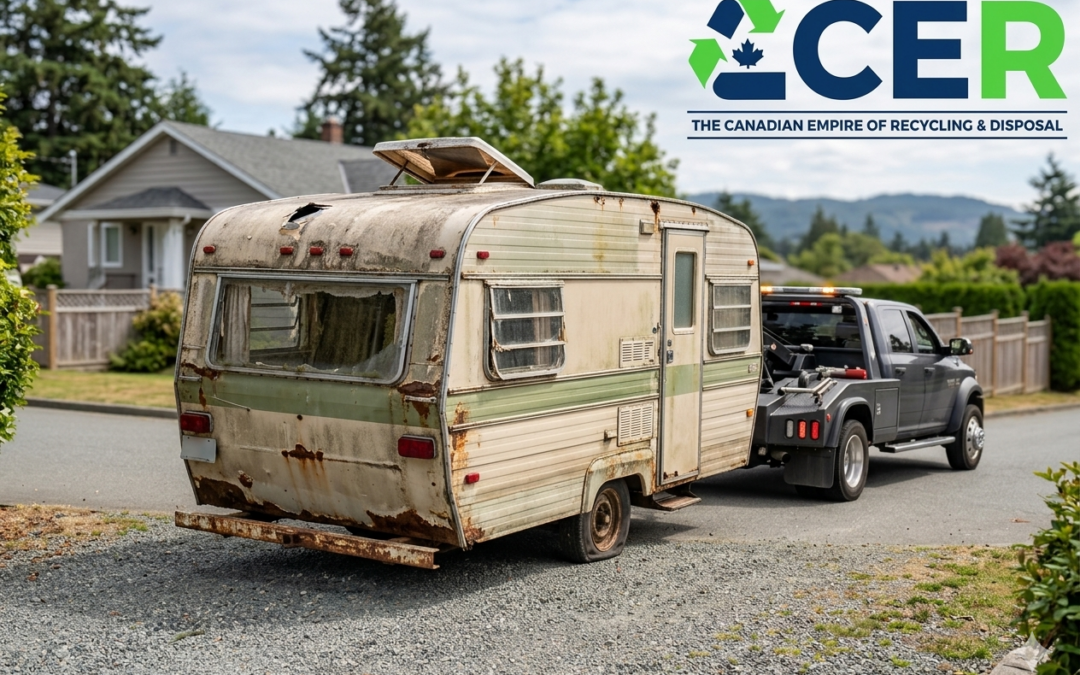
Recreational vehicles offer freedom, flexibility, and memorable travel experiences. However, every camper, trailer, or RV eventually reaches the end of its useful life. Mechanical failures, water damage, structural deterioration, accident damage, and age can leave owners with a vehicle that is no longer practical to repair or use. When this happens, proper disposal becomes the next important step.
Many property owners in Victoria struggle with what to do with an old camper sitting in a driveway, backyard, storage lot, or commercial property. Simply abandoning an unwanted RV is not only unsightly but can also create environmental and safety concerns. Professional disposal services provide a responsible solution for removing damaged, broken, and unwanted campers while ensuring recyclable materials are recovered whenever possible.
Why Old Campers Become a Problem
Campers and RVs are exposed to constant wear and tear from weather, road conditions, and regular use. Over time, these vehicles can develop serious issues that make continued ownership costly and inconvenient.
Common reasons people choose to dispose of a camper include:
- Extensive water damage
- Roof leaks and mold growth
- Engine or transmission failure
- Severe rust and corrosion
- Structural damage from accidents
- Expensive repair costs
- Long-term storage concerns
- Abandoned or inherited vehicles
- Outdated systems and equipment
When repair costs exceed the vehicle’s value, disposal often becomes the most practical option.
Environmental Concerns of Unwanted RVs
Old campers contain a variety of materials that require careful handling. Components such as batteries, fuel systems, fluids, insulation, electronics, and treated materials can create environmental risks if disposed of improperly.
Leaving an RV unused for years may lead to:
- Fluid leaks into the soil
- Mold and mildew growth
- Pest infestations
- Safety hazards on private property
- Deterioration of recyclable materials
Responsible disposal helps minimize these risks while supporting environmental sustainability through recycling and proper waste management.
Signs It May Be Time to Dispose of Your Camper
Many owners hold onto damaged campers, hoping to repair them someday. However, there are situations where disposal may be the most economical choice.
You may want to consider disposal if:
Repair Costs Are Excessive
Major structural or mechanical repairs can quickly exceed the value of an aging RV.
Water Damage Is Extensive
Persistent leaks often cause hidden damage to flooring, walls, insulation, and electrical systems.
The Camper Is No Longer Safe
Compromised frames, faulty wiring, and deteriorated components can create safety concerns.
Storage Is Becoming a Burden
Unused campers occupy valuable space that could be used for other purposes.
The Vehicle Has Been Abandoned
Abandoned RVs can reduce property appeal and create ongoing maintenance challenges.
The Benefits of Professional Disposal Services
Disposing of a camper involves much more than simply hauling it away. Professional disposal providers have the equipment, expertise, and resources needed to manage the process safely and efficiently.
Benefits include:
- Safe vehicle removal
- Environmentally responsible recycling
- Recovery of reusable materials
- Proper waste handling
- Reduced property clutter
- Compliance with disposal regulations
- Convenient pickup services
These services help owners avoid the challenges associated with dismantling and transporting large recreational vehicles themselves.
Camper Disposal Victoria Solutions
Property owners seeking Camper Disposal Victoria services often need a fast and reliable way to remove aging or damaged recreational vehicles. Professional disposal companies can assess the condition of the camper, arrange transportation, and ensure recyclable materials are recovered whenever possible.
Many RVs contain valuable materials such as:
- Steel
- Aluminum
- Copper wiring
- Appliances
- Glass
- Plastic components
Recovering these materials helps reduce landfill waste while supporting sustainable recycling practices.
What Happens During Camper Disposal?
The disposal process generally follows several important steps.
Vehicle Assessment
The condition of the camper is evaluated to determine removal requirements and recycling opportunities.
Removal and Transportation
Specialized equipment is used to safely transport the vehicle from the property to an approved processing facility.
Material Separation
Once received, recyclable materials are separated from non-recyclable components.
Responsible Disposal
Materials that cannot be recycled are managed in accordance with environmental regulations and industry best practices.
This systematic approach ensures that waste is minimized while maximizing material recovery.
Hazardous Materials Found in RVs
Many older campers contain materials that require specialized handling during disposal. Examples include:
- Lead-acid batteries
- Fuel residues
- Propane tanks
- Antifreeze
- Motor oils
- Cleaning chemicals
- Electrical components
These materials cannot be discarded with the general waste streams. Professional Hazardous Waste Disposal Victoria services help ensure potentially harmful substances are managed safely and in accordance with environmental requirements.
Proper hazardous waste handling protects workers, communities, and natural ecosystems from contamination risks.
Recycling Opportunities in Camper Disposal
Modern recycling facilities can recover a significant portion of materials from old campers and RVs.
Recyclable materials often include:
- Metal frames
- Aluminum siding
- Copper wiring
- Steel components
- Appliances
- Glass windows
- Certain plastics
Recycling reduces pressure on landfills while conserving natural resources used to manufacture new products.
Preparing Your Camper for Disposal
Before scheduling removal, owners should take several simple steps:
- Remove personal belongings.
- Empty storage compartments.
- Gather ownership documents if required.
- Remove valuable accessories.
- Inform the disposal provider of any hazardous materials present.
- Ensure clear access for removal equipment.
Proper preparation can help streamline the disposal process and prevent delays.
Why Timely Disposal Matters
Postponing camper disposal often results in additional problems. Exposure to weather can worsen structural damage, while abandoned vehicles may attract pests or become safety hazards.
Prompt disposal offers several advantages:
- Improved property appearance
- Increased usable space
- Reduced maintenance obligations
- Lower environmental risks
- Enhanced safety
Addressing the issue early can save both time and money in the long run.
Choosing a Reliable Disposal Provider
When selecting a camper disposal service, consider factors such as:
- Industry experience
- Environmental practices
- Recycling capabilities
- Equipment availability
- Customer reviews
- Compliance with disposal regulations
A professional provider can ensure the entire process is completed safely, efficiently, and responsibly.
Broken, damaged, and unwanted campers do not have to remain a burden on your property. Professional camper disposal services provide a practical solution for removing aging RVs while promoting environmentally responsible recycling and waste management. From vehicle removal and material recovery to hazardous waste handling, proper disposal protects both property owners and the environment.
For dependable disposal and recycling services, contact Canadian Empire Recycling & Disposal. Their experienced team provides professional waste management, recycling solutions, vehicle disposal assistance, and responsible material handling services throughout Victoria and surrounding communities. Proper camper disposal starts with trusted professionals who prioritize safety, efficiency, and environmental responsibility.