
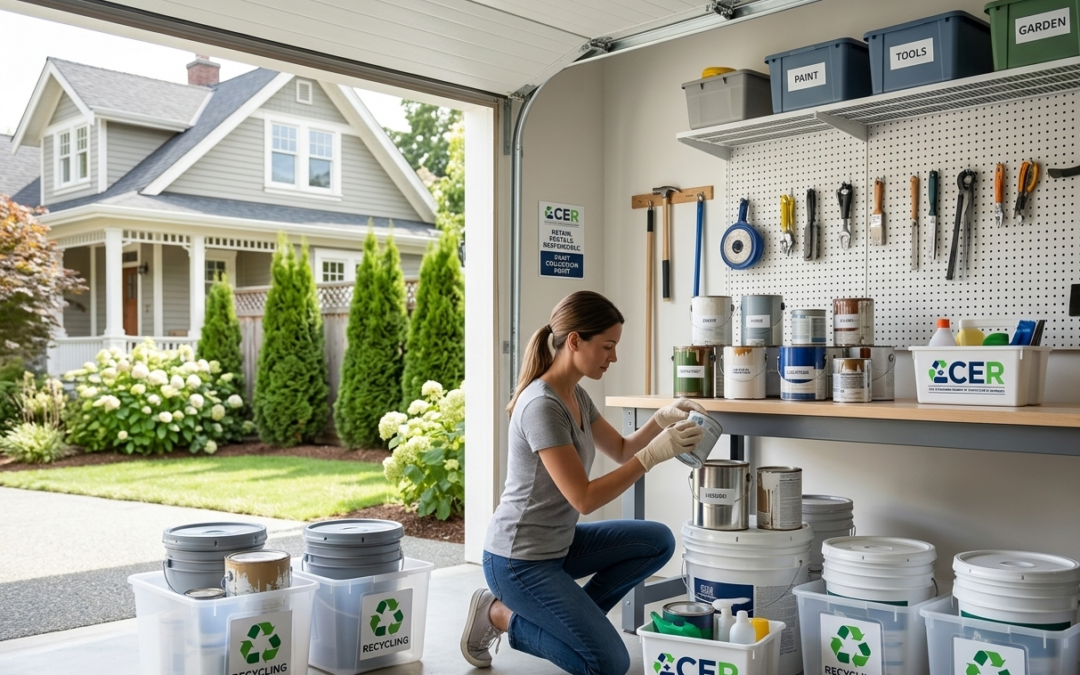
Managing leftover paint is something most homeowners don’t think about—until they’re faced with half-used cans sitting in the garage. Whether you’ve recently completed a renovation or simply have old paint stored away, knowing how to dispose of it responsibly is essential. In Victoria, proper paint recycling plays a key role in protecting the environment and maintaining a clean, safe community.
Why Paint Recycling Matters
Paint is not just another household waste item. Many types of paint contain chemicals that can be harmful if they seep into the soil or water systems. Improper disposal—like pouring paint down the drain or tossing it in the trash—can lead to pollution and environmental damage.
Recycling paint helps conserve resources by allowing usable paint to be repurposed. It also ensures that harmful components are handled safely, reducing the overall impact on the environment.
Understanding Different Types of Paint
Before recycling, it’s important to identify the type of paint you have:
- Latex (water-based) paint: Easier to handle and recycle
- Oil-based paint: Considered hazardous and requires special disposal
- Spray paint: Pressurized containers need careful handling
- Stains and varnishes: Often treated as hazardous waste
Knowing the type of paint you’re dealing with helps determine the correct recycling or disposal method.
Paint Recycling Victoria: What You Need to Know
When it comes to Paint Recycling Victoria, homeowners have access to programs designed to safely collect and process leftover paint. These programs ensure that usable paint is reused or repurposed, while non-reusable materials are disposed of in an environmentally responsible way.
Local recycling facilities often accept a wide range of paint products, but it’s always a good idea to check guidelines before dropping off your items. Some facilities may have restrictions on container size or types of paint accepted.
Tips for Storing Leftover Paint Safely
If you’re not ready to dispose of your paint just yet, proper storage can extend its life:
- Keep paint in a cool, dry place
- Ensure lids are tightly sealed to prevent drying
- Store cans upright to avoid leaks
- Label containers with the date and color for future use
Good storage practices can help you reuse paint for touch-ups, reducing waste over time.
How to Prepare Paint for Recycling
Preparation is key to making the recycling process smooth and efficient. Here are some simple steps:
- Check if the paint is still usable – If it hasn’t dried out, consider donating or reusing it
- Seal containers properly – Prevent leaks during transport
- Do not mix different types of paint – This can complicate recycling
- Keep original labels intact – Helps recycling centers identify contents
Taking these steps ensures your paint is handled correctly once it reaches the recycling facility.
Hazardous Waste Disposal Victoria: Why It’s Important
Some paints, especially oil-based ones, fall under hazardous materials. This means they require specialized handling and disposal methods. Using Hazardous Waste Disposal Victoria ensures that these substances are treated safely and in compliance with local regulations.
Professional disposal services help prevent environmental contamination and reduce risks associated with improper handling. For homeowners, this provides peace of mind knowing that hazardous materials are managed responsibly.
Common Mistakes to Avoid
Many homeowners unknowingly make mistakes when dealing with leftover paint. Here are a few to watch out for:
- Pouring paint down sinks or drains
- Throwing liquid paint in the regular garbage
- Leaving paint cans open, causing them to dry out
- Mixing different types of paint
Avoiding these mistakes can make a big difference in protecting the environment and ensuring safe disposal.
Eco-Friendly Alternatives
If you’re planning a new painting project, consider environmentally friendly options:
- Choose low-VOC or zero-VOC paints
- Buy only the amount you need
- Use up leftover paint for smaller projects
- Share extra paint with neighbors or community groups
These simple choices can significantly reduce waste and support sustainable living.
Benefits of Responsible Paint Recycling
Recycling paint isn’t just good for the environment—it also offers practical benefits:
- Reduces landfill waste
- Protects water and soil quality
- Conserves natural resources
- Promotes community cleanliness
For homeowners in Victoria, adopting these practices contributes to a healthier and more sustainable city.
When to Call the Professionals
While some paint recycling can be handled independently, there are times when professional help is the better option—especially for large quantities or hazardous materials. Experts have the tools and knowledge to handle paint safely and efficiently.
Paint recycling is a simple yet impactful way to make your home more eco-friendly. By understanding the types of paint, following proper storage and disposal practices, and avoiding common mistakes, homeowners in Victoria can play a vital role in environmental protection.
For reliable and hassle-free service, contact Canadian Empire Recycling & Disposal. Their team offers professional solutions for paint recycling and waste management, ensuring your materials are handled safely and responsibly. Whether you’re dealing with small amounts or large quantities, they provide the expertise you need to keep your home and community clean.