
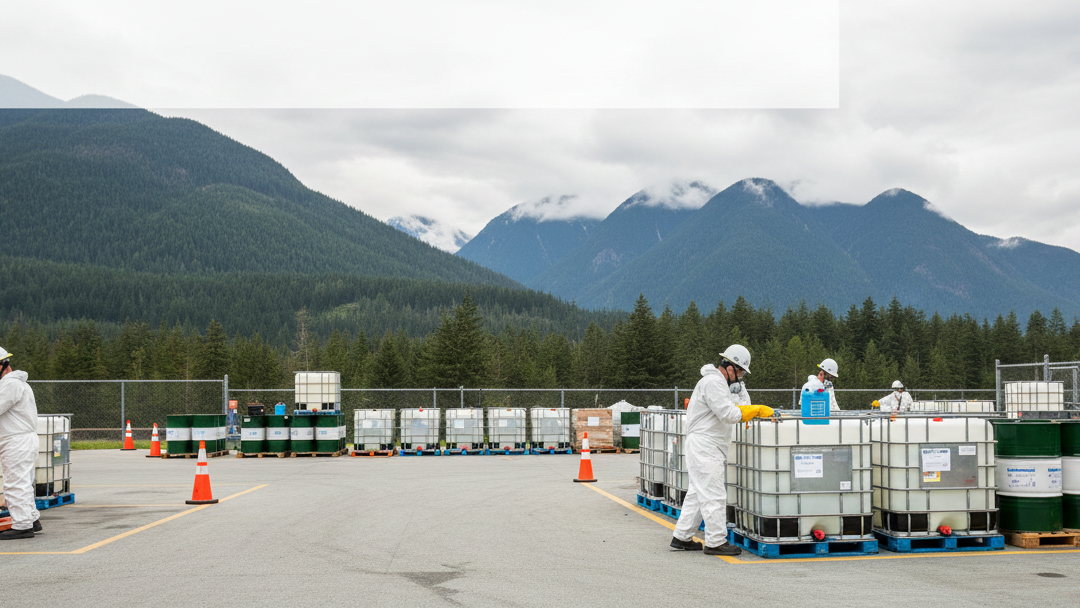
Businesses in Squamish generate different types of waste every day. While some materials can be recycled or placed in regular bins, others require specialized handling due to their harmful properties. Understanding what qualifies as commercial hazardous waste is essential to protect the environment, ensure worker safety, and comply with British Columbia regulations.
Improper disposal of hazardous materials can result in environmental damage, health risks, and significant fines. Whether you operate a construction company, auto shop, restaurant, manufacturing facility, or office, knowing the rules helps you avoid costly mistakes.
What Is Commercial Hazardous Waste?
Commercial hazardous waste refers to waste materials produced by businesses that pose a risk to human health or the environment. These materials may be toxic, flammable, corrosive, reactive, or otherwise dangerous.
In British Columbia, hazardous waste is regulated under provincial environmental laws. Businesses must follow strict guidelines for storage, transportation, and disposal.
Generally, waste is considered hazardous if it:
- Is flammable or combustible
- Contains toxic chemicals
- Is corrosive (can burn skin or corrode metal)
- Is reactive or explosive
- Contains harmful heavy metals
- Is contaminated with hazardous substances
If your business generates any material that falls into these categories, it likely qualifies as hazardous waste.
Common Types of Commercial Hazardous Waste in Squamish
Different industries produce different types of hazardous waste. Below are common examples.
1. Automotive Waste
Auto repair shops and dealerships often generate:
- Used motor oil
- Transmission fluids
- Brake fluid
- Antifreeze
- Oil filters
- Fuel residues
- Lead-acid batteries
These materials contain chemicals and heavy metals that must be handled carefully. Dumping them in regular garbage or drains is illegal and environmentally harmful.
2. Construction and Renovation Waste
Construction companies may produce:
- Paints and solvents
- Adhesives and sealants
- Asbestos-containing materials
- Treated wood
- Chemical cleaners
Some older buildings in Squamish may contain hazardous materials like asbestos or lead-based paint. These require professional handling and proper documentation.
3. Industrial and Manufacturing Waste
Manufacturing operations can produce:
- Chemical byproducts
- Contaminated absorbents
- Cleaning solvents
- Heavy metal sludge
- Process chemicals
Improper handling of industrial waste can contaminate soil and water systems, especially in environmentally sensitive areas like Squamish.
4. Healthcare and Laboratory Waste
Medical clinics, dental offices, and labs may generate:
- Sharps (needles and blades)
- Expired medications
- Chemical reagents
- Contaminated materials
These items require strict handling protocols to prevent injury and contamination.
5. Electronic Waste (E-Waste)
Businesses upgrading technology may dispose of:
- Computers and monitors
- Servers
- Printers
- Batteries
- Circuit boards
Electronics contain hazardous components such as lead, mercury, and cadmium. These materials must be recycled through approved channels.
How Is Hazardous Waste Identified?
To determine whether waste qualifies as hazardous, businesses should review:
- Safety Data Sheets (SDS)
- Product labels and warning symbols
- Provincial waste classification guidelines
- Chemical composition of materials
If you are unsure, it is best to consult a professional waste management provider rather than risk improper disposal.
Why Proper Disposal Matters
Squamish is known for its natural beauty, mountains, and waterways. Improper hazardous waste disposal can lead to:
- Soil contamination
- Water pollution
- Air quality issues
- Harm to wildlife
- Public health risks
Businesses have a responsibility to operate sustainably and comply with regulations. Professional Hazardous Waste Disposal Squamish ensures that dangerous materials are managed safely and legally.
Storage and Transportation Requirements
Before disposal, hazardous waste must be:
- Stored in approved containers
- Clearly labeled
- Kept in secure areas
- Documented properly
- Transported by licensed carriers
Failure to follow these steps can result in penalties or operational shutdowns. Partnering with a reliable waste management company simplifies compliance and reduces liability.
The Role of Professional Waste Management
Working with an experienced provider helps businesses:
- Identify hazardous materials
- Ensure regulatory compliance
- Arrange safe pickup and transport
- Minimize environmental impact
- Avoid fines and legal issues
Professional Commercial Waste Disposal Squamish streamlines the process and gives business owners peace of mind.
Penalties for Non-Compliance
Improper disposal of hazardous materials can lead to:
- Significant fines
- Legal action
- Business license suspension
- Environmental cleanup costs
- Damage to your company’s reputation
In environmentally conscious communities like Squamish, responsible waste handling is not just a legal requirement—it’s part of maintaining community trust.
Creating a Hazardous Waste Management Plan
Every business should have a clear waste management strategy that includes:
- Identifying hazardous materials.
- Training employees on safe handling.
- Storing waste properly.
- Scheduling regular collection.
- Maintaining documentation records.
A proactive approach reduces risk and improves operational efficiency.
Understanding what qualifies as commercial hazardous waste in Squamish is crucial for protecting your business, employees, and the local environment. From automotive fluids to industrial chemicals and electronic waste, many materials require specialized handling and disposal.
If your business generates potentially dangerous materials, professional support ensures compliance and safety. Canadian Empire Recycling provides reliable and environmentally responsible hazardous waste solutions for local businesses. Their experienced team manages collection, transportation, and proper disposal according to provincial regulations.
Contact Canadian Empire Recycling to arrange safe and compliant hazardous waste services in Squamish and keep your operations running responsibly.