
Commercial renovations can transform outdated properties into modern, functional spaces—but they can also uncover hidden hazards. One of the most serious concerns during renovations, especially in older buildings, is asbestos. If your commercial property in Squamish was built before the 1990s, there’s a strong possibility that asbestos-containing materials (ACMs) may be present.
Understanding how to handle and dispose of asbestos safely is critical for protecting workers, the public, and the environment. This guide explains everything businesses need to know about commercial waste disposal Squamish during renovations.
What Is Asbestos and Why Is It Dangerous?
Asbestos is a naturally occurring mineral once widely used in construction due to its durability, fire resistance, and insulation properties. It was commonly found in:
- Insulation materials
- Ceiling tiles
- Vinyl floor tiles
- Pipe insulation
- Cement products
- Roofing materials
- Textured paint and drywall compounds
When disturbed during renovations, asbestos fibers can become airborne. Inhalation of these fibers can cause serious health conditions, including lung disease, asbestosis, and mesothelioma.
Because of these risks, asbestos removal and disposal are strictly regulated.
Why Asbestos Is a Concern During Renovations
Renovations often involve demolition, drilling, sanding, or cutting into walls and ceilings—activities that can release asbestos fibers if materials are disturbed.
Commercial properties in Squamish undergoing remodeling must comply with provincial WorkSafeBC regulations. Failing to identify and manage asbestos properly can result in:
- Project shutdowns
- Heavy fines
- Legal liability
- Health risks for workers and occupants
Before starting any renovation project, an asbestos inspection is highly recommended.
Step 1: Conduct an Asbestos Assessment
Before demolition or remodeling begins, a certified professional should conduct a hazardous materials survey. This assessment identifies:
- Presence of asbestos-containing materials
- Condition of materials
- Risk level
- Proper removal methods
If asbestos is detected, a removal and disposal plan must be developed before renovation proceeds.
Step 2: Hire Licensed Abatement Professionals
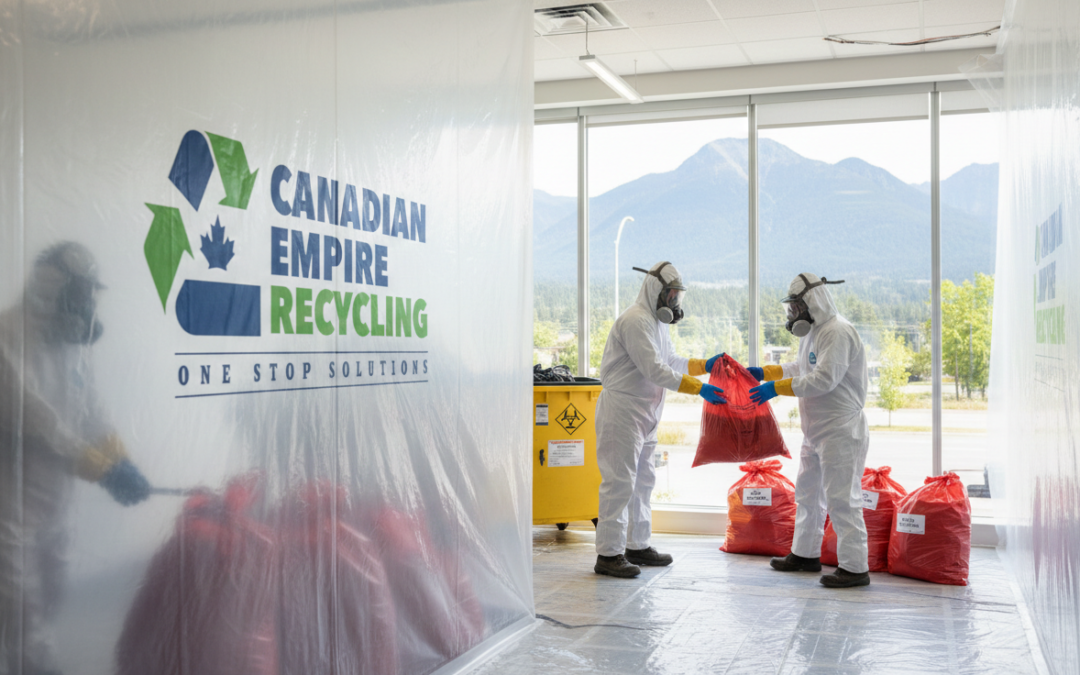
Asbestos removal is not a DIY project. Certified abatement contractors follow strict safety protocols, including:
- Sealing off work areas
- Using negative air pressure systems
- Wearing protective equipment
- Safely removing and bagging materials
- Air quality testing after removal
Only trained professionals should handle asbestos to minimize exposure risks.
Step 3: Safe Transportation and Disposal
After removal, asbestos materials must be sealed in approved containers and transported to authorized disposal facilities.
Asbestos Waste Disposal Squamish services ensure that hazardous materials are handled according to environmental and safety regulations. Improper disposal—such as illegal dumping can result in severe penalties and environmental harm.
Regulations for Commercial Asbestos Disposal
In British Columbia, asbestos disposal is regulated under strict environmental and occupational safety laws. Businesses must:
- Notify WorkSafeBC (if required)
- Use licensed removal contractors
- Maintain documentation of disposal
- Transport waste using approved methods
- Dispose of materials at authorized landfills
Hazardous Waste Disposal Squamish guidelines are designed to protect both the public and the environment. Compliance is not optional—it’s mandatory.
The Importance of Proper Documentation
When managing asbestos waste, documentation is critical. Businesses should keep:
- Inspection reports
- Removal plans
- Air clearance test results
- Waste shipment records
- Disposal receipts
These records protect your company in case of future audits or property transactions.
Environmental Responsibility Matters
Asbestos is classified as hazardous waste. If mishandled, it can contaminate soil, air, and water sources.
Commercial Waste Disposal Squamish services ensure hazardous materials are securely contained and disposed of in designated landfill areas designed to prevent fiber release.
Responsible disposal reflects positively on your business and supports Squamish’s environmental sustainability efforts.
How Renovation Projects Can Stay on Schedule
Many business owners worry that asbestos removal will delay their renovation. While proper abatement takes time, planning minimizes disruptions.
Tips to stay on track:
- Schedule inspections early
- Build asbestos removal into your renovation timeline
- Communicate clearly with contractors
- Work with experienced waste disposal partners
Proactive planning ensures safety without unnecessary project delays.
Common Mistakes to Avoid
Businesses sometimes make costly errors during renovation projects involving asbestos:
- Skipping professional inspections
- Hiring unlicensed contractors
- Failing to notify authorities
- Improperly transporting waste
- Ignoring documentation requirements
These mistakes can result in fines, lawsuits, and serious health consequences.
Working with knowledgeable disposal providers like Canadian Empire Recycling helps ensure asbestos waste is handled correctly and responsibly.
Cost Factors for Asbestos Disposal
The cost of asbestos removal and disposal depends on:
- Volume of contaminated materials
- Accessibility of affected areas
- Type of asbestos-containing materials
- Required containment level
- Transportation and landfill fees
Although professional removal may seem costly, it is far less expensive than legal penalties or health-related liabilities.
Why Professional Waste Management Is Essential
Commercial renovations are already complex. Adding hazardous waste management requires expertise and regulatory knowledge.
Professional disposal services provide:
- Regulatory compliance
- Safe transportation
- Proper containment
- Transparent pricing
- Peace of mind
When safety and compliance are priorities, experienced waste management partners are invaluable.
Renovating a commercial property in Squamish can unlock new business opportunities—but it also comes with serious responsibilities. If asbestos-containing materials are present, safe removal and disposal must be handled professionally and legally.
To ensure compliance, environmental protection, and worker safety, partner with a trusted provider. Canadian Empire Recycling offers dependable hazardous waste management solutions tailored to commercial renovation projects. Their experienced team ensures asbestos materials are transported and disposed of safely, following all provincial regulations.
If your renovation project requires responsible asbestos waste handling, contact Canadian Empire Recycling for expert guidance and reliable service in Squamish.