
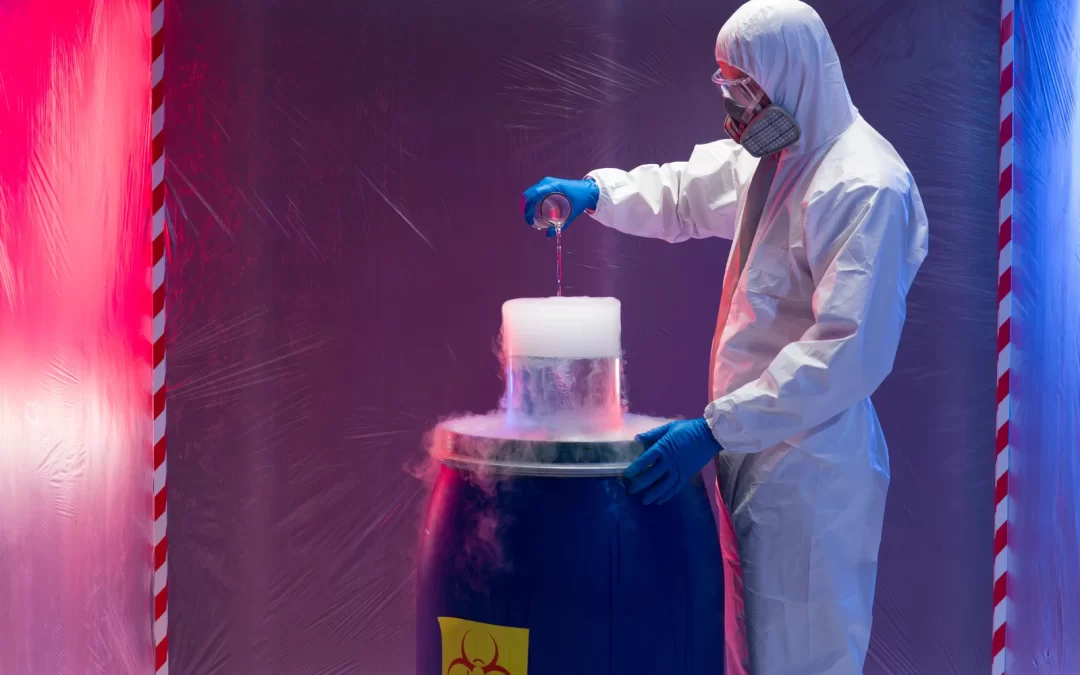
Handling hazardous waste properly is a responsibility shared by every homeowner, business, and facility in Squamish. Products such as paints, chemicals, solvents, cleaners, fuels, batteries, and other toxic materials may seem harmless when sitting on a shelf, but the moment they are used, stored incorrectly, or thrown into regular household garbage, they become a serious safety risk. Fires, spills, soil contamination, and toxic fumes are all consequences of improper handling—and these risks grow when hazardous waste is transported without preparation. That’s why understanding how to prepare hazardous waste for safe drop-off in your community matters more than ever.
This guide walks you through the safest, easiest, and most responsible steps to get your materials ready for disposal. Whether you’re decluttering your garage, managing renovation waste, or clearing out old automotive or landscaping supplies, proper preparation ensures safe handling from start to finish.
Why Proper Preparation Matters
Hazardous materials react differently from everyday waste. Some become unstable when exposed to heat or sunlight. Others release dangerous vapours or react with water. Preparing them before drop-off helps:
- Prevent leaks during transport
- Keep workers and the public safe
- Ensure materials are handled according to environmental regulations
- Reduce contamination in landfills and waterways
In a region as environmentally sensitive as Squamish, even a small spill can affect soil quality, local wildlife, and surrounding ecosystems. Following the right steps ensures your waste is managed responsibly and aligns with Hazardous Waste Disposal Squamish guidelines.
Step 1: Identify What Counts as Hazardous Waste
Many residents are surprised by how many household and commercial products fall under the hazardous category. Common examples include:
- Oil-based paints and thinners
- Automotive fluids (oil, brake fluid, transmission fluid, antifreeze)
- Fuel (gasoline, kerosene, diesel)
- Pesticides, herbicides, fertilisers
- Household cleaners and disinfectants
- Propane or butane cylinders
- Batteries (single-use, rechargeable, automotive)
- Aerosols
- Pool chemicals
- Mercury-containing products
- Electronics with stored energy
If you are ever unsure whether an item is hazardous, assume it could be and research the label. Words like flammable, corrosive, reactive, or toxic mean that it requires special handling.
Step 2: Keep Materials in Their Original Containers
Original containers are designed to store hazardous materials safely. They include the proper lids, chemical-resistant materials, and manufacturer labels that provide critical handling instructions. If a container is damaged, place it inside a secondary leak-proof container without mixing substances.
Never mix chemicals, even if they appear similar. Mixing can cause dangerous reactions like fires, toxic fumes, or explosions. Keep every product separated and sealed.
Step 3: Label Anything That Is Missing a Manufacturer Label
If a container has lost its original label or you transferred the product long ago, properly label it before drop-off. Write down:
- Product name, if known
- Possible chemical type (e.g., “solvent,” “cleaner,” “fuel”)
- Any caution notes you remember
Proper labelling protects drop-off technicians and prevents accidental mixing of incompatible materials.
Step 4: Secure Containers to Prevent Spills During Transport
Transporting hazardous materials requires careful packing. Before loading your vehicle:
- Make sure all containers are tightly sealed
- Place supplies upright in a sturdy box or bin
- Use padding (newspaper, cardboard, towels) to prevent movement
- Keep products separate—especially fuels, acids, and oxidisers
- Avoid overloading your trunk or back seat
If anything looks unstable or corroded, place the entire container inside a larger plastic bin to contain any potential leaks. This step is one of the easiest ways to prevent accidents on the way to Hazardous Waste Drop Off Squamish facilities.
Step 5: Don’t Overfill Your Vehicle
A common mistake is trying to clear out everything at once. Overfilled vehicles lead to:
- Cracked containers
- Spills due to tipping or squeezing
- Chemical fumes inside the vehicle
- Difficulty unloading safely
If you can smell fumes or see any leakage, ventilate the vehicle immediately and transfer the items into secure bins before continuing.
Step 6: Prepare for Weather Conditions
Hazardous materials react differently depending on temperature. For example:
- Aerosols may explode in extreme heat
- Liquid chemicals may freeze and expand in cold weather
- Batteries can leak when overheated
Transport hazardous waste early in the day or when temperatures are mild. Never leave chemicals in a hot car, even for a short time.
Step 7: Separate Materials That Need Special Attention
Some hazardous materials come with extra rules. For example:
- Propane tanks must remain upright at all times
- Automotive batteries must be kept away from ignition sources
- Mercury products should be double-contained
- Flammable liquids should never be transported alongside corrosives
Separating these items improves safety and ensures a smoother drop-off experience.
Step 8: Know What Not to Bring to Drop-Off Locations
Some hazardous materials require specialised industrial handling and may not be accepted at regular depots. Examples may include:
- Large industrial chemical drums
- Biomedical waste
- Radioactive materials
- Explosives or ammunition
Always check local guidelines before transporting unusual items.
Step 9: Plan to Save Time
Before heading out, check:
- Accepted items list
- Hours of operation
- Any appointment requirements
- Guidelines for unloading
- Limitations on volume or container types
Proper planning helps ensure a smooth and stress-free drop-off process.
A Reliable Option for Responsible Disposal
Preparing hazardous waste properly is only half of the process; choosing the right disposal partner ensures the materials are handled with care from start to finish. Canadian Empire Recycling provides dependable waste management support, making it easier for Squamish residents and businesses to clear out chemicals, paints, fuels, and more safely and responsibly.
If you need guidance on hazardous material handling or want safe disposal options, contact Canadian Empire Recycling for reliable support and professional assistance. They can help you manage toxic materials the right way and keep your home and community safe.