
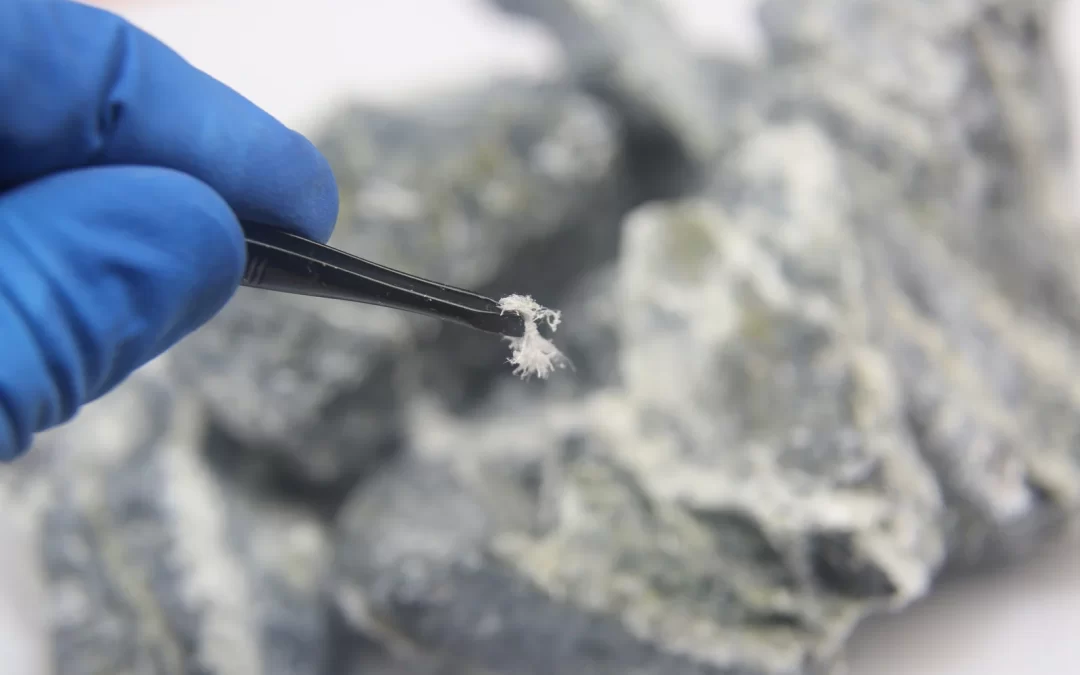
Asbestos was once a popular construction material for its durability and fire resistance, but today, it’s known for its serious health hazards. Many older buildings in Squamish, especially those built before the 1990s, still contain asbestos in insulation, ceiling tiles, drywall joint compound, and floor materials. When disturbed, asbestos releases fine fibers that can be deadly if inhaled.
For businesses, property managers, and contractors in Squamish, handling asbestos waste the right way is both a legal requirement and a moral responsibility. Mishandling it can expose workers and the community to toxic air, trigger fines, and cause costly project delays.
Understanding the Risks of Asbestos
Before diving into disposal procedures, it’s important to understand why asbestos requires such careful handling. When asbestos-containing materials (ACMs) are cut, drilled, or broken during renovations or demolition, microscopic fibers can be released into the air.
These fibers can remain airborne for hours and, once inhaled, may cause severe illnesses such as:
- Mesothelioma – a rare cancer affecting the lung lining
- Asbestosis – chronic lung scarring
- Lung cancer
Even low levels of exposure can be dangerous over time, which is why proper containment and disposal are vital.
Step 1: Identify and Test Suspected Materials
The first step for any Squamish business or contractor is identification. If you’re working on a building constructed before the 1990s, there’s a strong chance asbestos may be present.
Never assume a material is safe based on appearance alone. Instead, hire a certified asbestos testing professional to collect samples and send them to an accredited lab.
Testing is a legal requirement under WorkSafeBC when asbestos is suspected. Without it, you risk contaminating your site and violating safety regulations.
Step 2: Plan for Safe Removal
Once asbestos is confirmed, the next step is removal by qualified professionals. Only licensed asbestos abatement contractors can safely remove, package, and transport asbestos materials under BC law.
An asbestos removal plan should include:
- Containment procedures to isolate the work area
- Proper protective gear for workers
- Negative air systems to prevent fiber escape
- Approved waste containers for sealed asbestos materials
Skipping professional removal can lead to contamination, penalties, and health hazards for anyone nearby.
Step 3: Disposal Through Approved Channels
After removal, asbestos waste cannot be disposed of in standard garbage bins or dumped at regular landfills. It must be taken to an approved hazardous materials facility that accepts asbestos.
Partnering with a professional waste service ensures all materials are:
- Properly sealed in leak-proof, labeled containers
- Documented for regulatory compliance
- Transported by licensed carriers
- Delivered to certified disposal sites
Businesses looking for reliable Commercial Waste Disposal Squamish solutions can work with experienced providers who understand regional rules and safety protocols. This ensures full compliance and peace of mind.
Step 4: Documentation and Recordkeeping
Keeping detailed records of asbestos removal and disposal is crucial for both regulatory and safety purposes. Your documentation should include:
- Test results
- Contractor licenses
- Transportation manifests
- Disposal receipts
WorkSafeBC and environmental authorities may request these records during inspections or audits. Organized documentation shows your business takes environmental responsibility seriously.
Step 5: Train Staff and Maintain Awareness
Even if your team isn’t directly involved in removal, they should be trained on asbestos awareness. Many asbestos incidents happen because untrained workers unknowingly disturb contaminated materials.
Providing awareness sessions ensures everyone understands:
- How to recognize potential asbestos
- Whom to contact if asbestos is suspected
- The importance of never disturbing unknown materials
This preventive approach keeps everyone safe and reduces liability for your business.
Handling Other Hazardous Materials Responsibly
Asbestos isn’t the only dangerous substance found in commercial projects. Businesses often deal with chemicals, paints, batteries, and e-waste that must be properly managed. Partnering with a professional Hazardous Waste Disposal Squamish provider ensures all materials, hazardous or not, are handled according to BC’s environmental standards. This protects your worksite and helps maintain a cleaner community.
Why Local Expertise Matters
Working with a local waste management company that understands Squamish’s regulations makes a big difference. Canadian Empire Recycling is one of the region’s trusted names in asbestos and hazardous waste handling. Their experienced team ensures safe collection, certified disposal, and proper documentation, helping businesses meet every provincial and federal safety requirement.
By choosing a reputable partner, you can reduce project downtime, avoid fines, and maintain a strong reputation for safety and environmental responsibility.
Handling asbestos waste is not a task to take lightly. Whether you’re renovating a commercial building or demolishing an older site, every step from testing to disposal must follow strict safety guidelines.
Businesses can protect their workers, community, and the environment by working with certified professionals and maintaining an asbestos waste disposal Squamish plan tailored to their operations.
For safe, legal, and efficient asbestos waste handling, contact Canadian Empire Recycling. Their experts provide full-service asbestos and hazardous waste solutions across Squamish, ensuring your business stays compliant and your project runs safely from start to finish.