
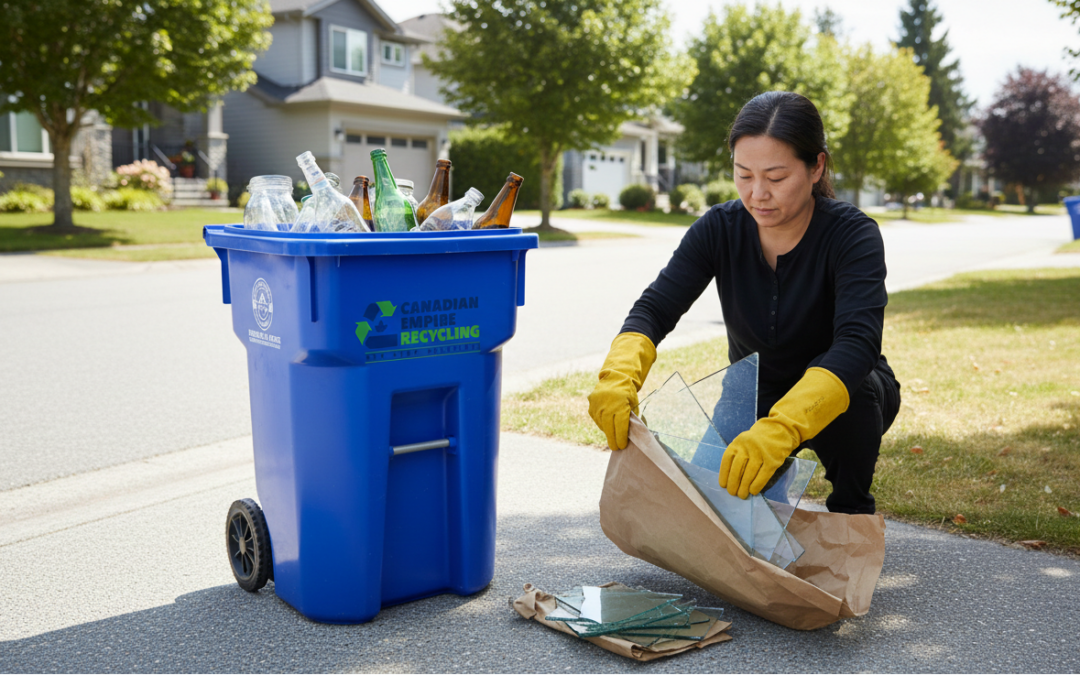
Broken glass is a common household and construction waste item, but many residents and contractors are unsure about the proper way to dispose of it. If you’ve recently broken a window, mirror, or glass container, you might be wondering: Can you put broken glass in Richmond recycling bins?
The short answer is: It depends on the type of glass and the recycling program guidelines. In most cases, broken household glass should not go directly into standard curbside recycling bins. Let’s explore why and what you should do instead.
Understanding Glass Recycling Rules
Not all glass is created equal. While glass bottles and jars are commonly accepted in recycling programs, other types of glass are treated differently due to composition, safety risks, and processing limitations.
Common types of glass include:
- Beverage bottles
- Food jars
- Window glass
- Mirrors
- Tempered glass
- Laminated safety glass
- Automotive glass
Each category may require separate handling.
Why Broken Glass Is a Problem in Curbside Bins
Broken glass creates several challenges in recycling systems:
1. Safety Risks
Sharp fragments can injure sanitation workers or contaminate other recyclables.
2. Sorting Difficulties
Modern recycling facilities rely on automated systems. Broken shards are harder to process and may fall through sorting equipment.
3. Contamination Issues
Window glass, mirrors, and treated glass have different melting points than bottles and jars, which can disrupt recycling processes.
Because of these concerns, many curbside programs discourage or prohibit placing loose broken glass directly into recycling carts.
What Types of Glass Are Accepted?
Typically accepted items include:
- Clean glass bottles
- Glass food jars
- Rinsed beverage containers
These items are often accepted through Glass Recycling Richmond programs when prepared properly. Always rinse containers and remove lids before recycling.
However, items usually not accepted in standard bins include:
- Window glass
- Mirrors
- Light bulbs
- Ceramic or heat-resistant glass
- Glass cookware
- Broken drinking glasses
How to Dispose of Broken Glass Safely
If you have broken glass at home, follow these safety steps:
Step 1: Protect Yourself
Wear thick gloves and closed-toe shoes. Sweep carefully using a broom and dustpan.
Step 2: Secure the Glass
Place shards in a sturdy box or wrap them in thick paper before disposal.
Step 3: Label Clearly
Mark the container as “Broken Glass” to prevent injuries.
Step 4: Check Local Disposal Guidelines
Contact local waste authorities or professional waste management companies for updated requirements.
For small household amounts, broken glass often belongs in regular garbage (securely packaged), not the recycling bin.
What About Construction or Renovation Glass?
Renovation projects frequently generate large volumes of glass waste from:
- Window replacements
- Shower enclosures
- Storefront panels
- Glass partitions
- Skylights
This type of glass typically cannot go in residential recycling bins. Contractors often require specialized handling to comply with disposal guidelines.
In larger projects, Bin Rental Services Richmond can provide dedicated containers for glass and other construction materials, ensuring safe and organized waste collection.
Is Broken Glass Considered Hazardous Waste?
Most broken glass is not chemically hazardous. However, it is physically dangerous due to sharp edges.
Certain types of glass can be hazardous, including:
- Fluorescent bulbs (contain mercury)
- Laboratory glassware
- Glass contaminated with chemicals
These materials require special disposal methods and should never go into curbside bins.
Environmental Impact of Improper Disposal
Glass does not decompose in landfills. Improper disposal can:
- Increase landfill volume
- Waste recyclable resources
- Create injury risks
- Contaminate other recyclable materials
Recycling glass reduces the need for raw materials and lowers energy consumption in manufacturing. Proper sorting ensures materials are reused efficiently.
When to Hire a Professional Waste Service
For commercial properties, construction sites, and large-scale cleanouts, professional waste management is often the safest option.
Benefits include:
- Safe transportation
- Proper sorting
- Regulatory compliance
- Reduced liability
- Efficient bulk disposal
Businesses should prioritize safe waste handling practices to protect workers and meet environmental standards.
Best Practices for Richmond Residents
To ensure safe disposal:
- Recycle only approved glass containers
- Do not place loose shards in recycling carts
- Package broken glass securely
- Separate glass from mixed construction debris
- Consult professionals for large volumes
Taking these steps helps keep recycling programs effective and safe for everyone.
So, can you put broken glass recycling bins? In most cases, no, especially if it’s window glass, mirrors, or loose shards. Only clean bottles and jars are typically accepted through recycling programs.
For renovation debris, commercial glass waste, or large disposal needs, it’s best to rely on professional services. If you need safe and compliant waste handling solutions, contact Canadian Empire Recycling. Their team provides reliable disposal services for residential, commercial, and construction waste, ensuring your materials are managed responsibly and safely.
Proper disposal protects sanitation workers, supports recycling systems, and keeps environment clean.
Frequently Asked Questions
Is window glass recyclable in Richmond?
Window glass usually cannot go in curbside recycling bins due to composition differences.
How should I dispose of a broken mirror?
Wrap it securely and dispose of it according to municipal waste guidelines or use professional disposal services.
Are light bulbs considered recyclable glass?
Standard incandescent bulbs typically are not recyclable in curbside bins. Fluorescent bulbs require hazardous waste handling.
What should contractors do with large amounts of glass waste?
Contractors should use professional waste services or dedicated bins to ensure safe and compliant disposal.