Asbestos might seem like a thing of the past, but it remains one of the most serious health hazards in British Columbia, especially during renovation or demolition projects. With the province now enforcing Canada’s most stringent asbestos regulations, anyone planning construction work on older buildings must follow a legal process to ensure safe handling and disposal. Whether you’re a homeowner planning a bathroom remodel or a contractor overseeing a full teardown, failure to follow BC’s asbestos removal requirements could lead to steep fines—or worse, serious health consequences. This guide breaks down every legal step you must take, including safe disposal, to stay compliant with BC’s updated 2024 regulations.
1. Identify Suspect Materials
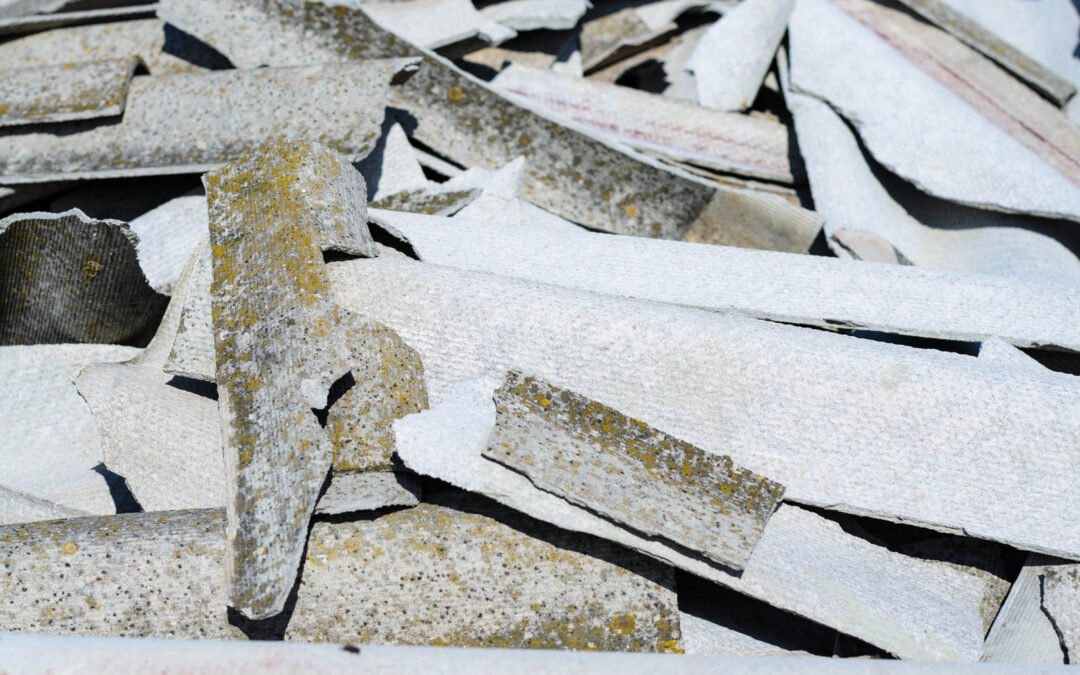
If your home or building was constructed before the early 1990s, there’s a high chance it contains asbestos. Common sources include drywall compound, ceiling texture (popcorn ceilings), pipe insulation, vermiculite attic insulation, floor tiles, and roofing materials. Never attempt to disturb or remove any of these materials without confirmation—they must be tested first.
2. Hire a Licensed Asbestos Surveyor
WorkSafeBC requires all asbestos-containing materials to be identified through a formal hazardous waste disposal materials survey. A certified surveyor must take samples and send them to an accredited laboratory. This step is legally required before any demolition, renovation, or major maintenance work.
3. Licensing Rules for Contractors (New in 2024)
As of January 1, 2024, all asbestos abatement companies in BC must be licensed by WorkSafeBC. Individual workers must also hold proper certification. BC is the first province in Canada to implement mandatory licensing for asbestos waste disposal Richmond. Contractors who fail to comply can face stop-work orders, fines, and reputational damage.
4. Certified Worker Training
WorkSafeBC now requires four levels of worker certification for anyone involved in chrysotile removal, from awareness-level workers to lead supervisors and surveyors. Only those with approved training can legally perform abatement work. These certifications are valid for three years and must be renewed through testing.
5. Submit a Notice of Project
A Notice of Project (NOP) must be filed with WorkSafeBC before starting any chrysotile-related work. This notifies regulators that licensed workers will be handling hazardous materials on-site.
6. Containment & Removal Procedures
Once asbestos is confirmed, contractors must:
- Seal off the work area using polyethylene barriers
- Apply negative air pressure via HEPA filtration
- Use wet removal methods to prevent dust release
- Equip all workers with respirators, disposable suits, and eye protection
- Clean up only with Class H (HEPA) vacuums
These procedures reduce the risk of airborne asbestos exposure.
7. Safe Transport & Disposal Requirements
Asbestos is a regulated hazardous waste under BC law. Key requirements include:
- Materials must be double-bagged in 6 mil polyethylene
- Clearly labeled as containing asbestos
- Kept damp during handling
- Transported by a licensed hazardous waste carrier
In the Fraser Valley, facilities like the Richmond landfill accept asbestos by appointment only. You must book in advance and follow all labelling and packaging protocols. This makes asbestos disposal in richmond a specialized task requiring professional oversight.
8. Air Monitoring & Site Clearance
Once removal is completed, an independent air quality consultant must verify that chrysotile fibers are no longer present in the work area. Only after this clearance is the site deemed safe for re-entry.
9. Document Everything
Regulations require you to retain:
- The hazardous materials survey
- Worker certifications
- Disposal manifests and transportation records
- NOP confirmation and air monitoring results
Proper documentation is crucial for ensuring legal compliance and facilitating future resale disclosures.
Why Trust Canadian Empire Recycling for Asbestos Disposal in Richmond
When you need dependable, fully licensed chrysotile services in British Columbia, Canadian Empire Recycling delivers expertise, safety, and peace of mind. They manage everything from initial site surveys to certified abatement and proper asbestos disposal in Richmond, ensuring your project meets all provincial requirements. Whether you’re a homeowner navigating a renovation or a contractor managing large-scale demolition, Canadian Empire Recycling provides full regulatory compliance, certified staff, and eco-safe disposal practices. Trust the professionals who prioritize safety and legal precision. Contact Canadian Empire Recycling or call now to book your chrysotile disposal service.