
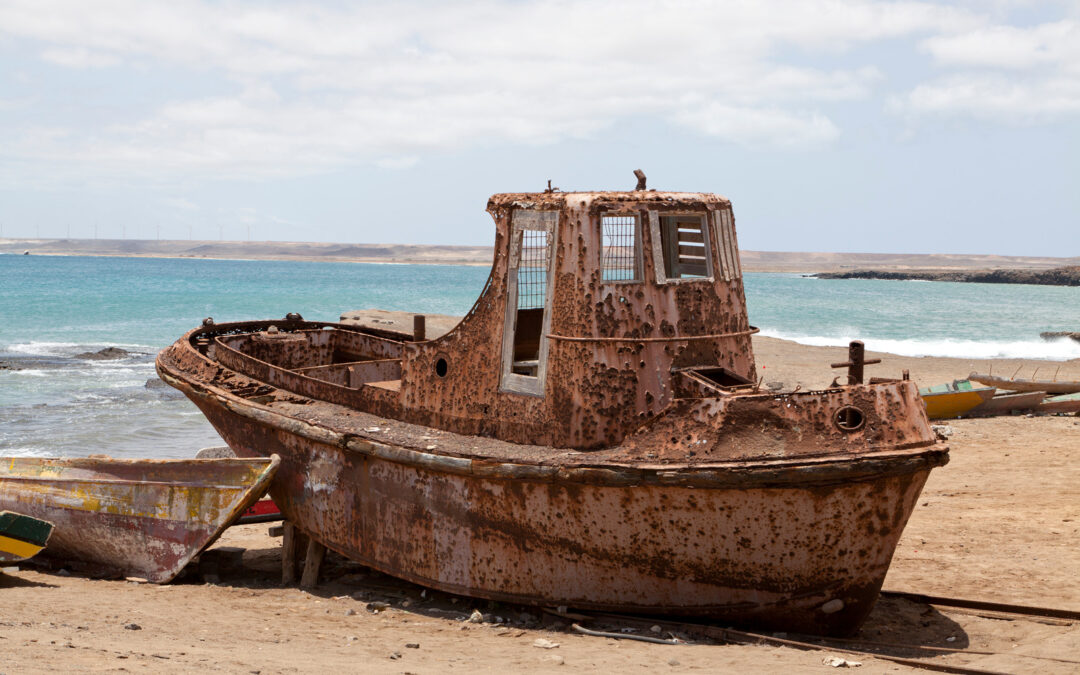
Nanaimo’s coastal location and vibrant boating community make it a popular destination for recreational and commercial boat owners alike. However, when boats reach the end of their usable life, disposing of them responsibly becomes a critical issue. Abandoned or improperly disposed of boats can cause serious environmental harm, pose safety risks, and lead to legal consequences. Understanding how to dispose of old boats responsibly helps boat owners protect local waters, comply with regulations, and contribute to a cleaner marine environment.
Why Responsible Boat Disposal Matters
Old boats are not just bulky pieces of waste; they often contain hazardous materials such as fuel residues, oils, batteries, fibreglass, and treated wood. When left unattended or dumped illegally, these materials can leak into the water and soil, harming marine life and degrading shoreline ecosystems. Nanaimo’s harbours, marinas, and surrounding coastal waters are especially vulnerable to this kind of pollution.
Responsible disposal ensures that harmful substances are removed safely and recyclable materials are recovered. For boat owners, this approach helps prevent environmental damage while supporting sustainable waste management practices in the community.
Understand Legal Responsibilities
Boat owners are legally responsible for their vessels, even if they are no longer seaworthy. In British Columbia, abandoning a boat is illegal and can result in fines, cleanup costs, and enforcement action. Municipal authorities and harbour managers actively monitor abandoned vessels due to the risks they pose to navigation and the environment.
Before disposing of a boat, owners should understand local and federal regulations, including requirements for de-registration, removal from moorage, and proper disposal of hazardous components. Taking the time to follow legal procedures helps avoid unexpected penalties and ensures a smooth disposal process.
Assess the Condition and Materials of the Boat
The first step in responsible disposal is assessing the boat’s condition and construction. Boats may be made of fibreglass, aluminum, steel, or wood, each requiring different disposal methods. Some vessels may still have salvageable parts such as engines, electronics, or metal components that can be reused or recycled.
Identifying these materials early allows owners to reduce disposal costs and divert reusable components from landfills. In some cases, selling or donating usable parts may also be an option, further minimizing waste.
Remove Hazardous Materials Safely
Before a boat can be dismantled or recycled, all hazardous materials must be removed. This includes fuel, oil, lubricants, batteries, propane tanks, and any chemicals stored onboard. Improper handling of these materials can lead to spills, contamination, and safety hazards.
Professional assistance is often recommended for this step, especially for larger vessels or boats that have been inactive for long periods. Safe removal and disposal of hazardous materials protects both the environment and the people involved in the disposal process.
Choose Recycling and Dismantling Over Dumping
Recycling is one of the most responsible ways to dispose of an old boat. Many components, such as metals, wiring, and engines, can be recycled or repurposed. Even fibreglass boats, which are more challenging to process, can be dismantled and managed through specialized facilities.
Choosing recycling over dumping reduces landfill waste and supports resource recovery. Nanaimo boat owners who opt for responsible dismantling help reduce the environmental footprint of boat disposal Nanaimo while contributing to sustainable industry practices.
Work With Professional Disposal Services
Disposing of a boat is rarely a simple DIY project. Transportation, dismantling, and material handling require specialized equipment and expertise. Professional disposal services streamline the process and ensure compliance with all environmental and legal requirements.
Many boat owners in the region rely on experienced providers like Canadian Empire Recycling to manage complex disposal projects. Their knowledge of marine materials and waste regulations helps ensure that old boats are handled safely, efficiently, and responsibly.
Prevent Future Abandonment Issues
Responsible boat disposal also involves planning. Boat owners should consider end-of-life disposal when purchasing or maintaining a vessel. Keeping documentation up to date, maintaining boats properly, and addressing issues early can extend a boat’s lifespan and reduce disposal challenges later.
For marinas and waterfront property owners, encouraging responsible disposal practices helps prevent abandoned vessels from becoming a community problem.
Environmental Benefits for Nanaimo’s Coastline
Nanaimo’s economy and lifestyle are closely tied to its coastal environment. Responsible boat disposal helps preserve clean water, protect marine habitats, and maintain safe navigation routes. It also supports tourism, fishing, and recreational boating by keeping harbours and shorelines free from debris and pollution.
When boat owners take accountability for end-of-life disposal, the entire community benefits from a healthier and more sustainable marine ecosystem.
Dispose Responsibly With the Right Support
Disposing of an old boat responsibly is not just a legal obligation; it’s a commitment to protecting Nanaimo’s natural environment and waterways. By understanding regulations, removing hazardous materials, and choosing professional recycling solutions, boat owners can ensure their vessels are retired in the right way.
For reliable and environmentally responsible old boat disposal services, Canadian Empire Recycling offers professional support tailored to the needs of boat owners. Contact Canadian Empire Recycling to ensure your old boat is disposed of safely, legally, and with minimal environmental impact.