
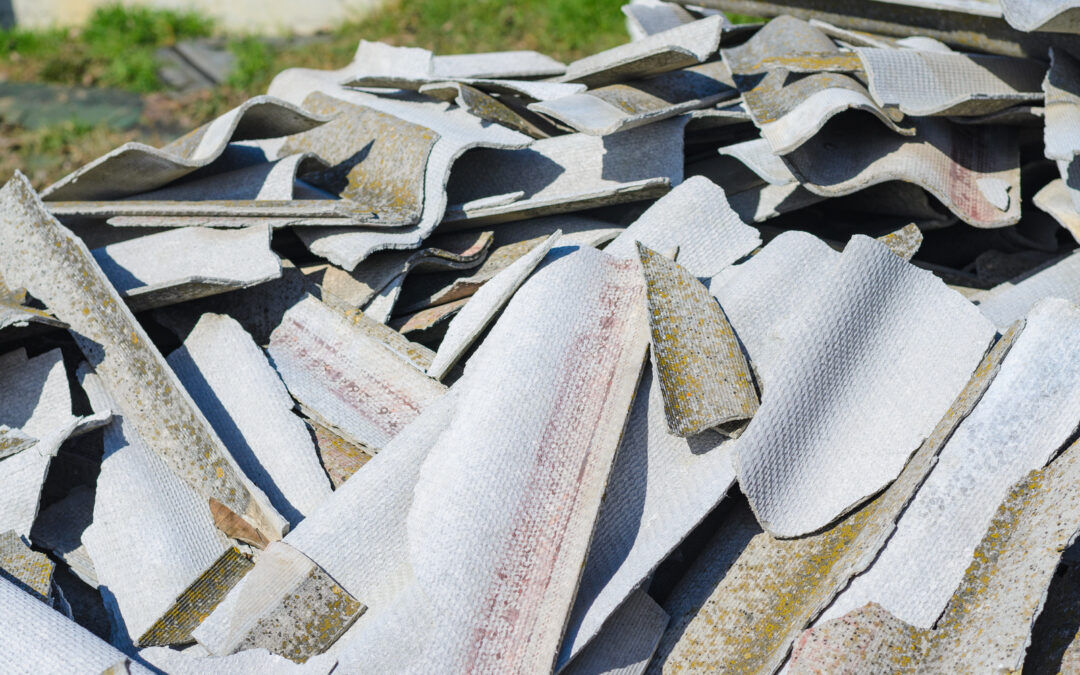
Asbestos waste disposal is a critical responsibility for commercial property owners, contractors, and renovation professionals. Whether you’re managing a demolition project, upgrading an older commercial building, or handling industrial maintenance, asbestos-containing materials must be handled with extreme care. Improper disposal can expose workers and the public to serious health risks and can also result in heavy fines and legal consequences.
Understanding Asbestos and Why Disposal Matters
Asbestos is a naturally occurring mineral once widely used in commercial construction for insulation, fireproofing, roofing, floor tiles, and cement products. Many commercial buildings built before the 1990s may still contain asbestos materials.
When asbestos-containing materials are disturbed, they release microscopic fibers into the air. Inhalation of these fibers has been linked to severe illnesses such as asbestosis, lung cancer, and mesothelioma. This is why asbestos waste is classified as hazardous and must never be handled like regular construction debris.
Step 1: Identify Asbestos Before Removal
The first step in proper disposal is identification. You cannot rely on visual inspection alone. For commercial properties, asbestos testing should be carried out by trained professionals before any renovation, repair, or demolition begins.
If asbestos is confirmed, removal and disposal must follow regulated procedures. Skipping this step can result in accidental exposure and costly project shutdowns.
Step 2: Use Trained Professionals for Removal
Commercial asbestos removal is not a DIY task. Workers handling asbestos must be trained and equipped with appropriate personal protective equipment (PPE), including respirators and disposable coveralls.
During removal:
- The area is sealed to prevent fiber spread
- Wet methods are used to minimize airborne dust
- Materials are removed carefully to avoid breaking
Once removed, asbestos waste must be immediately prepared for disposal according to regulations.
Step 3: Proper Packaging and Labeling
Asbestos waste must be securely packaged before transportation. This typically involves:
- Double-bagging in approved, leak-tight bags
- Clearly labeling packages as asbestos-containing material
- Sealing waste to prevent fiber release
This step is essential for protecting workers, transporters, and disposal facility staff.
Step 4: Follow Approved Transportation Procedures
Transporting asbestos waste requires careful handling. It cannot be mixed with general commercial waste or construction debris. Vehicles used for transport must prevent leaks and contamination.
For businesses handling Asbestos Waste Disposal Mission, working with a professional waste service ensures that all transportation requirements are met and documented properly.
Approved Disposal at Authorized Facilities
Asbestos waste must be delivered to licensed facilities that are authorized to accept hazardous materials. These sites are designed to isolate asbestos safely, preventing fibers from entering the environment.
Dumping asbestos in regular landfills, recycling centers, or illegal sites is strictly prohibited and can lead to significant penalties for commercial operators.
Documentation and Compliance for Commercial Projects
Commercial sites are often subject to inspections and audits. Maintaining proper documentation is a key part of responsible asbestos disposal. This includes:
- Waste manifests
- Transport records
- Disposal receipts
- Contractor certifications
These records demonstrate compliance and protect businesses from liability if questions arise later.
Why Commercial Projects Require Extra Care
Commercial asbestos disposal is more complex than residential disposal due to larger volumes, higher worker exposure, and stricter regulatory oversight. Large-scale renovations, demolitions, and industrial upgrades often involve multiple asbestos-containing materials.
For businesses managing Commercial Waste Disposal Mission, integrating asbestos disposal into the overall waste management plan helps avoid delays, fines, and safety incidents.
Common Mistakes to Avoid
Some of the most common asbestos disposal mistakes include:
- Mixing asbestos with regular construction waste
- Using untrained workers for removal
- Improper packaging or labeling
- Transporting waste without authorization
Avoiding these errors protects workers, the public, and your project timeline.
Environmental Responsibility and Community Safety
Proper asbestos disposal is not only a legal obligation—it’s an environmental and community responsibility. When handled correctly, asbestos waste is contained in a way that prevents long-term contamination of soil, air, and water sources.
Commercial operators play a key role in maintaining safe job sites and protecting surrounding neighborhoods.
Partnering With a Professional Disposal Service
Given the risks and regulations involved, most commercial businesses choose to work with experienced waste disposal providers. These professionals understand local requirements, handle logistics, and ensure asbestos waste is disposed of safely and legally.
Reliable services help businesses focus on their core operations while maintaining full compliance.
Trusted Support From Canadian Empire Recycling
For commercial projects, Canadian Empire Recycling provides dependable solutions for hazardous and construction waste management. Their team understands the strict requirements involved in asbestos handling and ensures waste is transported and disposed of responsibly.
Contact Canadian Empire Recycling, and businesses can manage asbestos waste with confidence, protect workers, and stay compliant with environmental and safety regulations. For professional guidance and compliant disposal solutions, contacting an experienced provider makes all the difference.