Construction, renovation, and demolition projects often involve more than just bricks, concrete, and timber. Contractors working in Mission frequently encounter materials classified as hazardous waste, including chemicals, asbestos-containing products, contaminated soil, fuels, and industrial residues. Failing to plan for hazardous waste management can result in project delays, fines, and serious safety risks. That’s why understanding what to plan for in advance is critical for every contractor operating in Mission.
This guide outlines the key considerations contractors must address to ensure hazardous waste is handled safely, legally, and efficiently throughout a project’s lifecycle.
Understanding Hazardous Waste on Job Sites
Hazardous waste is any material that poses a risk to human health or the environment due to its chemical, physical, or biological properties. On construction sites, this can include solvents, adhesives, paints, treated wood, batteries, asbestos materials, and contaminated debris uncovered during excavation.
Contractors must identify potential hazardous waste before work begins. Conducting site assessments and reviewing building histories can help predict what materials may be encountered. Early identification allows contractors to budget appropriately, schedule specialized services, and avoid costly work stoppages.
Why Planning Is Essential
Improper handling of hazardous waste can expose workers to toxic substances and contaminate surrounding areas. Regulatory agencies in British Columbia enforce strict rules for storage, transport, and disposal. Contractors who fail to comply may face penalties, project shutdowns, or legal liability.
Proper planning for Hazardous Waste Disposal Mission projects ensures waste is managed according to WorkSafeBC and environmental standards. A proactive approach protects workers, keeps projects on schedule, and demonstrates due diligence to inspectors and clients.
Regulatory Compliance Contractors Must Follow
Hazardous waste management is governed by provincial and federal regulations that outline how materials must be handled and documented. Contractors are responsible for ensuring waste materials are stored securely, labeled correctly, and transported by authorized carriers.
Documentation is a critical part of compliance. Waste manifests, disposal records, and safety plans must be maintained and made available during inspections. Working with professional disposal providers simplifies compliance by ensuring all paperwork is completed accurately and on time.
Safe Storage and On-Site Handling
Before hazardous waste leaves the job site, it must be stored safely. Contractors should plan designated storage areas away from high-traffic zones and environmental risks. Containers must be leak-proof, clearly labeled, and compatible with the materials they hold.
Worker training is equally important. Employees should understand handling procedures, emergency response protocols, and the importance of personal protective equipment. A well-informed team reduces the risk of accidents and exposure incidents.
Transportation and Disposal Logistics
Hazardous waste cannot be transported like standard construction debris. Contractors must plan for licensed carriers who follow approved transport methods. Routes, scheduling, and disposal facility requirements should be coordinated in advance to avoid delays.
Knowing where waste will be disposed of is essential. Some materials require specific facilities, and not all drop-off locations accept every type of waste. Planning for Hazardous Waste Drop Off Mission options helps contractors avoid last-minute complications and non-compliance issues.
Budgeting for Hazardous Waste Management
Hazardous waste disposal is a specialized service and should be accounted for in project budgets from the start. Costs may include testing, containment materials, transportation, disposal fees, and regulatory documentation.
Underestimating these costs can strain budgets and lead to rushed decisions that compromise safety. Contractors who plan realistically can present accurate bids, maintain profitability, and avoid unexpected expenses later in the project.
Environmental Responsibility and Community Impact
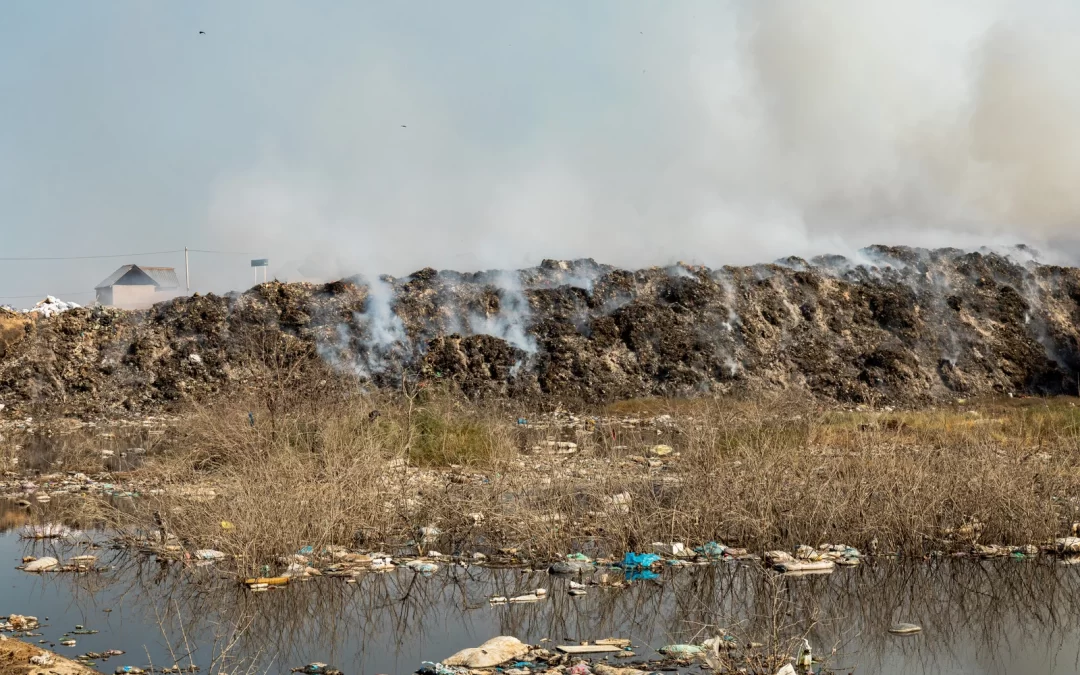
Beyond compliance, responsible hazardous waste management protects Mission’s environment and surrounding communities. Improper disposal can contaminate soil, groundwater, and air, leading to long-term consequences.
Contractors play a key role in environmental stewardship by ensuring hazardous materials are disposed of properly. Sustainable practices not only reduce environmental impact but also enhance a contractor’s reputation with clients and regulatory bodies.
Coordinating With Other Trades and Schedules
Hazardous waste planning must be integrated into the overall project schedule. Disposal activities should be coordinated with demolition phases, material removal, and site cleanup. Poor coordination can cause delays and increase safety risks.
Clear communication between contractors, disposal providers, and site supervisors ensures hazardous waste is removed promptly and safely without disrupting other work.
Choosing the Right Disposal Partner
Selecting a reliable hazardous waste disposal provider is one of the most important planning decisions a contractor can make. Look for companies with experience in commercial and construction projects, proper licensing, and a strong understanding of local regulations.
A dependable partner will assist with identification, safe handling, transport, and documentation, allowing contractors to focus on project execution while maintaining compliance.
Reliable Support for Contractors in Mission
For contractors seeking professional waste solutions, Canadian Empire Recycling provides dependable services tailored to construction and commercial needs. Their team understands regulatory requirements and helps contractors manage waste materials safely and efficiently.
Whether you’re planning a renovation, demolition, or large-scale construction project, Canadian Empire Recycling offers expert guidance, compliant disposal, and responsive service. Contact Canadian Empire Recycling to discuss your project and ensure hazardous waste is handled the right way—from start to finish.