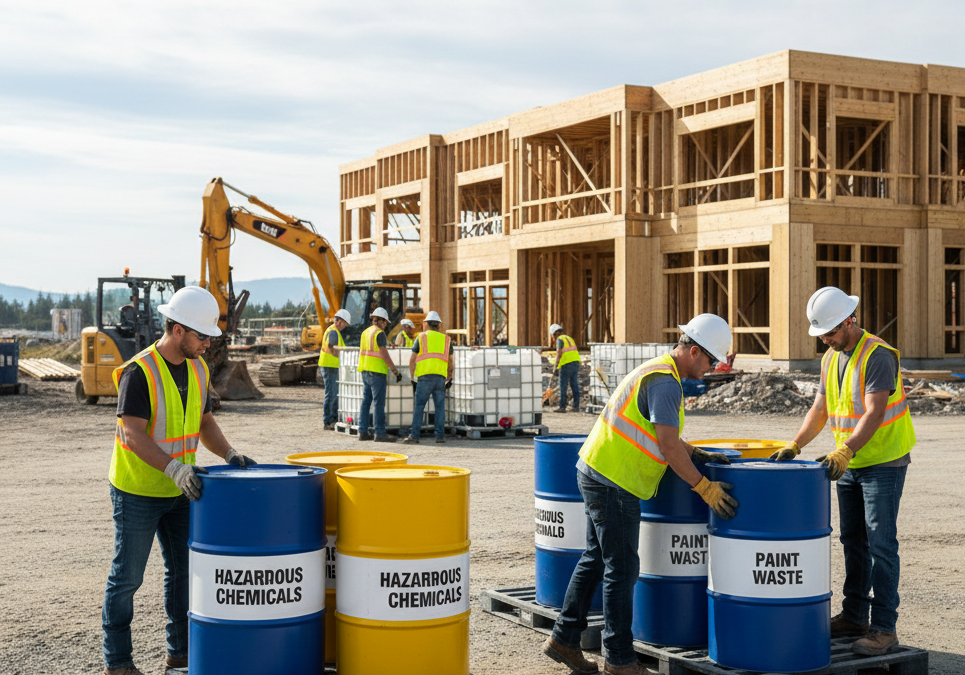
Construction projects in Mission—whether residential developments, commercial builds, or infrastructure upgrades—generate significant amounts of waste. While much of it consists of general debris like wood, drywall, and concrete, construction sites also produce hazardous materials that require careful handling. Improper disposal can pose serious health risks, environmental damage, and legal consequences.
Understanding best practices for Hazardous Waste Disposal is essential for contractors, developers, and property owners who want to stay compliant and protect their workers and the environment.
What Is Hazardous Waste on a Construction Site?
Hazardous waste refers to materials that are flammable, toxic, corrosive, or reactive. On construction sites, this can include:
- Paints and solvents
- Adhesives and sealants
- Asbestos-containing materials
- Treated wood
- Fuels and oils
- Contaminated soil
- Cleaning chemicals
- Batteries
- Fluorescent light tubes
These materials cannot be disposed of in regular dumpsters. They require specific containment, labeling, and disposal procedures.
Why Proper Disposal Is Critical
Improper hazardous waste management can result in:
- Soil and groundwater contamination
- Air pollution
- Worker injuries and exposure
- Regulatory fines and penalties
- Project delays
Mission, like the rest of British Columbia, has strict environmental regulations governing the storage, transportation, and disposal of hazardous materials. Compliance is not optional—it’s a legal and ethical responsibility.
Best Practice #1: Identify Hazardous Materials Early
Before demolition or construction begins, conduct a thorough site assessment. Older buildings may contain asbestos, lead-based paint, or other hazardous components.
A professional inspection helps:
- Identify dangerous materials
- Develop a safe removal plan
- Avoid unexpected delays
- Ensure regulatory compliance
Early identification prevents accidental exposure and reduces costly project interruptions.
Best Practice #2: Separate Hazardous and Non-Hazardous Waste
One of the most common mistakes on construction sites is mixing hazardous waste with general debris. Proper segregation is essential.
Create designated areas for:
- Chemical containers
- Paint and solvent waste
- Fuel storage
- Contaminated materials
Clear labeling and worker training ensure everyone understands which materials require special handling.
Best Practice #3: Use Proper Storage Containers
Hazardous materials must be stored in appropriate, sealed containers that prevent leaks or spills. Containers should be:
- Clearly labeled
- Weather-resistant
- Placed on stable surfaces
- Kept away from high-traffic areas
Secondary containment systems, such as spill trays, provide additional protection in case of leaks.
Best Practice #4: Train Workers on Safety Protocols
Every worker on-site should understand basic hazardous waste handling procedures. Training should cover:
- Identifying hazardous materials
- Proper use of personal protective equipment (PPE)
- Spill response procedures
- Emergency contacts
A well-informed team reduces the risk of accidents and ensures quick action in case of emergencies.
Best Practice #5: Follow Transportation Regulations
Hazardous waste transportation requires proper documentation and certified carriers. Materials must be transported to authorized treatment or disposal facilities.
Working with licensed providers ensures compliance with provincial and federal guidelines. Attempting to transport hazardous waste without proper certification can result in severe penalties.
Best Practice #6: Develop a Waste Management Plan
Every construction project should have a clear waste management plan outlining:
- Types of waste expected
- Handling procedures
- Storage methods
- Pickup schedules
- Disposal facilities
Including both general and hazardous waste strategies ensures smoother project operations.
In addition to hazardous materials, construction sites often require Commercial Waste Disposal Mission to manage large volumes of non-hazardous debris efficiently. Coordinating both types of disposal ensures a streamlined and compliant waste management system.
Environmental Responsibility on Construction Sites
Construction companies play a major role in environmental sustainability. Proper hazardous waste management:
- Protects local ecosystems
- Prevents contamination of waterways
- Reduces landfill waste
- Supports recycling initiatives
Mission’s growing development sector must balance progress with environmental stewardship. Responsible waste practices demonstrate commitment to community safety and sustainability.
Common Hazardous Waste Mistakes to Avoid
Even experienced contractors can make errors. Avoid these common pitfalls:
- Disposing of chemicals in regular dumpsters
- Failing to label containers properly
- Ignoring minor spills
- Storing incompatible materials together
- Skipping required documentation
Small oversights can lead to large consequences. Consistency and attention to detail are key.
Emergency Preparedness
Despite best efforts, accidents can happen. Construction sites should maintain:
- Spill kits
- Fire extinguishers
- Emergency contact lists
- First aid supplies
Having a clear emergency response plan minimizes damage and ensures quick containment of hazardous incidents.
Benefits of Hiring Professional Hazardous Waste Services
Managing hazardous waste internally can be complex and time-consuming. Partnering with experienced professionals offers several advantages:
- Compliance with local regulations
- Proper documentation
- Safe transportation
- Efficient removal
- Reduced liability
Professional services understand the specific requirements for Hazardous Waste Disposal Mission and ensure materials are handled safely from collection to final disposal.
Staying Compliant and Protecting Your Project
Construction companies in Mission must prioritize hazardous waste management to avoid fines, protect workers, and maintain project timelines. Following best practices—such as early identification, proper storage, worker training, and professional disposal—ensures safe and efficient operations.
For reliable and compliant hazardous waste solutions, contact Canadian Empire Recycling. Their experienced team provides professional hazardous and construction waste removal services tailored to your project’s needs. By partnering with Canadian Empire Recycling, you can ensure your construction site in Mission remains safe, environmentally responsible, and fully compliant with regulations.