Asbestos is a hazardous material that was widely used in building construction for insulation, roofing, flooring, and siding. While its use has declined, many older homes and commercial properties still contain asbestos. Improper disposal of this material is extremely dangerous, posing health risks and potential legal consequences. For homeowners, contractors, and businesses, understanding the proper way to manage asbestos waste is crucial.
Mistake 1: Attempting to Remove Asbestos Without Proper Training
One of the most dangerous mistakes is assuming asbestos can be handled like normal debris. The fibers in asbestos are microscopic and can easily become airborne. Inhalation may lead to serious respiratory diseases, including asbestosis, lung cancer, and mesothelioma.
Proper removal requires training, safety gear, and strict procedures. Even small amounts of disturbed asbestos can pose significant risks, so DIY removal is strongly discouraged. Homeowners and small contractors should always hire professionals experienced in Asbestos Waste Disposal Mission.
Mistake 2: Not Using Correct Protective Equipment
Safety equipment is not optional when handling asbestos. Many people underestimate the importance of personal protective equipment (PPE), which can lead to exposure. Essential PPE includes:
- Respirators rated for asbestos particles
- Disposable gloves
- Full-body coveralls
- Eye protection
- Shoe covers
Failure to use proper equipment can contaminate clothing, tools, and vehicles, spreading asbestos fibers beyond the work area.
Mistake 3: Ignoring Legal Regulations
Asbestos disposal is heavily regulated across British Columbia. Improper disposal can result in hefty fines or legal penalties. A common mistake is simply placing asbestos-containing materials in standard garbage bins or leaving them at construction sites.
Municipal and provincial laws require that asbestos be:
- Properly contained in approved bags or containers
- Clearly labeled as hazardous
- Transported and disposed of at certified facilities
Following the law protects both public health and the property owner’s liability. Partnering with experts ensures compliance with Hazardous Waste Disposal Mission regulations.
Mistake 4: Breaking or Crushing Asbestos Materials
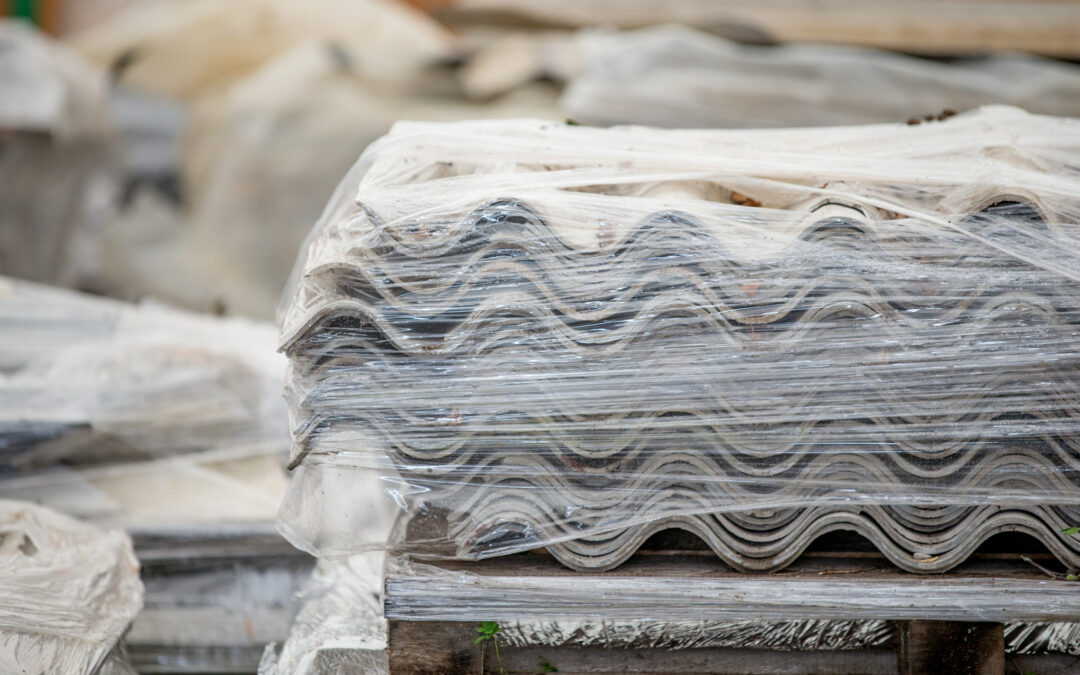
Asbestos-containing materials should never be broken, crushed, or otherwise disturbed unnecessarily. Doing so releases fibers into the air, dramatically increasing the risk of inhalation. Common items such as tiles, pipe insulation, and siding must be handled gently, ideally whole, and double-bagged using approved asbestos disposal bags.
Mistakes at this stage can negate all safety measures, even if PPE is used. Professionals follow controlled removal and containment methods that prevent fiber release.
Mistake 5: Not Containing Asbestos Properly for Transport
Transporting asbestos improperly is a frequent error. Loose fibers can contaminate vehicles, roads, or surrounding areas. To prevent this, asbestos waste must be:
- Sealed in heavy-duty, clearly labeled containers
- Transported in covered vehicles to prevent fibers from escaping
- Handled carefully to avoid punctures or spills
Failing to contain the waste properly can lead to contamination and possible fines.
Mistake 6: Failing to Inform or Alert Others
In construction or renovation sites, everyone nearby must be aware of asbestos removal activities. A common oversight is failing to inform neighbors, coworkers, or other tradespeople. Proper signage, barriers, and notifications reduce exposure risk and ensure safe work practices.
Mistake 7: Trying to Dispose of Asbestos in Regular Recycling or Landfill Bins
Asbestos cannot go into standard recycling streams or landfill bins. Doing so can lead to environmental contamination and legal issues. Certified asbestos disposal facilities follow protocols that neutralize hazards and prevent fibers from entering soil or water.
Many Mission residents rely on professional services to manage this step. Many homeowners and contractors work with reputable providers like Canadian Empire Recycling to ensure asbestos waste is handled safely, legally, and efficiently.
Mistake 8: Underestimating the Importance of Documentation
Documentation of asbestos removal is crucial, especially for large projects or property sales. Mistakes include neglecting to keep disposal records or certificates of compliance. Proper paperwork protects property owners and businesses in case of inspections or future renovations.
Final Tips for Safe Asbestos Disposal
Avoiding these mistakes ensures that asbestos removal is safe, legal, and environmentally responsible. Key takeaways include:
- Never attempt DIY removal unless fully trained
- Always use approved PPE
- Contain, label, and transport asbestos properly
- Use certified disposal facilities
- Keep detailed records of disposal activities
For safe, professional asbestos removal and disposal, contact Canadian Empire Recycling. Their team provides reliable, certified services for both homeowners and businesses, ensuring that all asbestos and hazardous waste is managed responsibly, protecting people, property, and the environment.