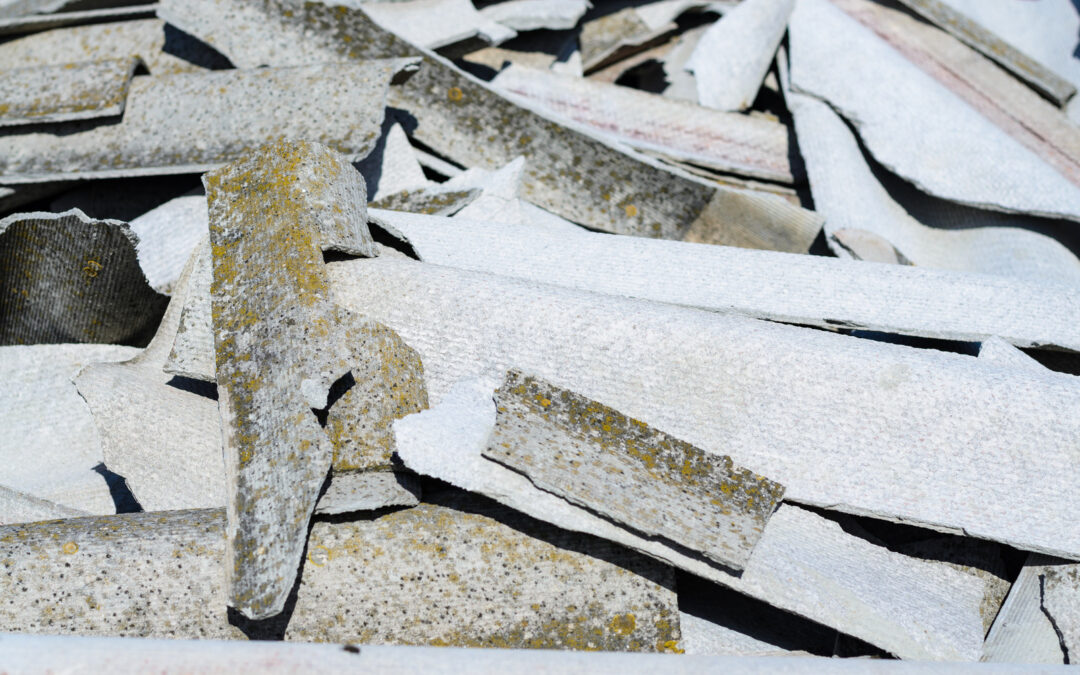
Asbestos has been a hidden danger in homes and buildings for decades, especially in communities with older construction like Langley. Although it is no longer used in modern building materials, it still exists in many places insulation, ceiling finishes, flooring, siding, cement panels, drywall compounds, and more. When these materials remain undisturbed, they generally stay harmless. But once they are broken, cut, or deteriorating, they release tiny fibres into the air that can cause serious health problems.
The danger multiplies when asbestos waste is handled or disposed of incorrectly. Langley’s neighbourhoods, businesses, and renovation projects all face real risks when this material is not managed responsibly. Understanding the consequences of improper disposal is the first step toward stronger community safety and better environmental protection.
Asbestos: A Serious Health Threat
The main risk of asbestos is its ability to break into microscopic fibres. These fibres float in the air for long periods and can be inhaled without notice. Once inside the lungs, they attach to tissue and remain lodged for life. Over time, exposure can lead to several illnesses, including:
- Chronic breathing issues
- Scarring of lung tissue
- Lung cancer
- Mesothelioma
- Asbestosis
These conditions develop slowly, often taking years to appear. Because symptoms take so long to show, many people underestimate how dangerous asbestos really is. A single mistake during disposal can expose multiple people without them even realizing it happened.
Improper Disposal Spreads Fibres Faster
One of the biggest concerns is that incorrect handling of asbestos waste can spread fibres far beyond the original site. Many homeowners believe they can bag materials themselves, throw debris into their garbage bin, or place broken pieces in a backyard pile until they “figure out what to do.” Unfortunately, all of these actions create exposure risks.
When asbestos-containing debris is left uncovered or handled without proper sealing, fibres drift into nearby yards, move with the wind, or cling to clothing and tools. Even driving materials in an open truck bed can scatter fibres across public roads. These fibres do not break down naturally, and once they settle into soil, gardens, or air ducts, they stay for decades.
Risks for Families and Neighbours
Langley is known for quiet streets, family homes, and community-focused neighbourhoods. Unfortunately, this closeness means that improper asbestos waste handling puts more than just the homeowner at risk. Children playing outside, neighbours doing yard work, and even pets can be exposed to fibres carried through the air.
Asbestos exposure does not cause immediate symptoms, so many people may never know they have inhaled fibres. This silent danger is what makes proper waste disposal so important. One person’s neglect can unintentionally affect an entire street.
Environmental Impact and Soil Contamination
Improper asbestos waste disposal doesn’t just threaten health; it also harms the environment. When asbestos debris is dumped on empty land, buried in shallow soil, or added to mixed waste piles, fibres can become part of the surrounding ecosystem.
Rain, wind, and soil movement gradually bring fibres to the surface. Plants absorb and trap them, meaning anyone gardening or digging can release these fibres back into the air. Contaminated soil also complicates future construction projects, landscaping, or home additions. What may seem like a harmless pile of old building materials can turn into a long-lasting environmental hazard.
Legal Consequences and Community Responsibility
Langley, like most municipalities, has strict guidelines regarding asbestos waste. These rules exist for public safety, environmental protection, and responsible property management. When waste is dumped illegally or handled outside approved processes, serious consequences can follow, including:
- Municipal fines
- Provincial penalties
- Cleanup orders
- Delays to renovation or construction plans
These rules are not meant to create inconvenience; they exist because asbestos is dangerous when mishandled. Proper disposal protects everyone and ensures remains a safe place to live.
The Role of Local Services in Safe Disposal
Many residents feel overwhelmed when they discover asbestos in their homes. They may not know where to take it, how to package it, or which rules apply. This confusion often leads to mistakes, which is why local support services are so important.
One of the organizations that provides helpful guidance is Canadian Empire Recycling, which assists residents with safe handling and preparation steps for waste materials, including hazardous debris. Their support gives homeowners confidence and helps prevent dangerous disposal errors.
Why DIY Removal Is a Major Risk
Some homeowners attempt to remove asbestos materials themselves to save money during renovations. However, DIY removal is one of the highest-risk situations. Without proper protective gear, sealed containment, and knowledge of safe handling procedures, fibres are almost guaranteed to become airborne.
Even sealed materials can become unsafe if broken, bent, or accidentally drilled through. Professional removal teams are trained to identify types of asbestos, isolate work zones, keep fibres contained, and package waste according to strict disposal standards. This level of control is almost impossible to achieve without proper training and equipment.
Keeping Langley Safe Through Responsible Disposal
The best way to keep safe is to treat asbestos waste disposal Langley with absolute seriousness. Whether you’re renovating, demolishing, repairing, or updating your home, every step involving asbestos must be handled correctly. Safe disposal protects air quality, shields families from harm, and supports long-term community health.
When you need guidance or assistance with preparation, packaging, or drop-off information, contact Canadian Empire Recycling to help you understand proper procedures and connect you with responsible disposal options. Reaching out to knowledgeable professionals ensures your project stays safe, compliant, and worry-free.