Asbestos is a hazardous material that was widely used in construction and building products for decades. While it offers excellent insulation and fire-resistant properties, it poses serious health risks when disturbed. Inhaling asbestos fibers can lead to lung diseases, including asbestosis, lung cancer, and mesothelioma. For this reason, proper asbestos waste disposal in Langley is strictly regulated to protect public health and the environment.
Understanding the rules for handling, transporting, and disposing of asbestos waste is essential for homeowners, contractors, and businesses. Whether you’re renovating an older home or managing construction debris, following these regulations ensures safety and compliance with provincial laws.
Why Asbestos Disposal Rules Exist
The main goal of asbestos regulations is to minimize exposure to airborne fibers. Improper handling can release fibers into the air, putting anyone nearby at risk. Because asbestos can be found in insulation, ceiling tiles, flooring, and siding, both residential and commercial projects must adhere to strict safety guidelines.
Langley, as part of British Columbia, follows provincial rules set by WorkSafeBC and the Ministry of Environment. These regulations dictate how asbestos-containing materials (ACMs) must be handled, packaged, transported, and disposed of to reduce health risks.
Handling Asbestos Safely
Before any disposal takes place, asbestos must be handled with care. Only trained and certified personnel should remove asbestos from homes or workplaces. Here are key points to consider:
- Use Protective Gear: Anyone handling asbestos must wear protective clothing, gloves, and a respirator to prevent inhalation.
- Minimize Dust: Wetting asbestos materials before removal helps reduce dust and airborne fibers.
- Containment: Removed asbestos should be sealed in labeled, leak-proof bags or containers to prevent contamination during transport.
These precautions are required by law, and failure to follow them can lead to heavy fines or legal consequences.
Packaging and Labeling Asbestos Waste
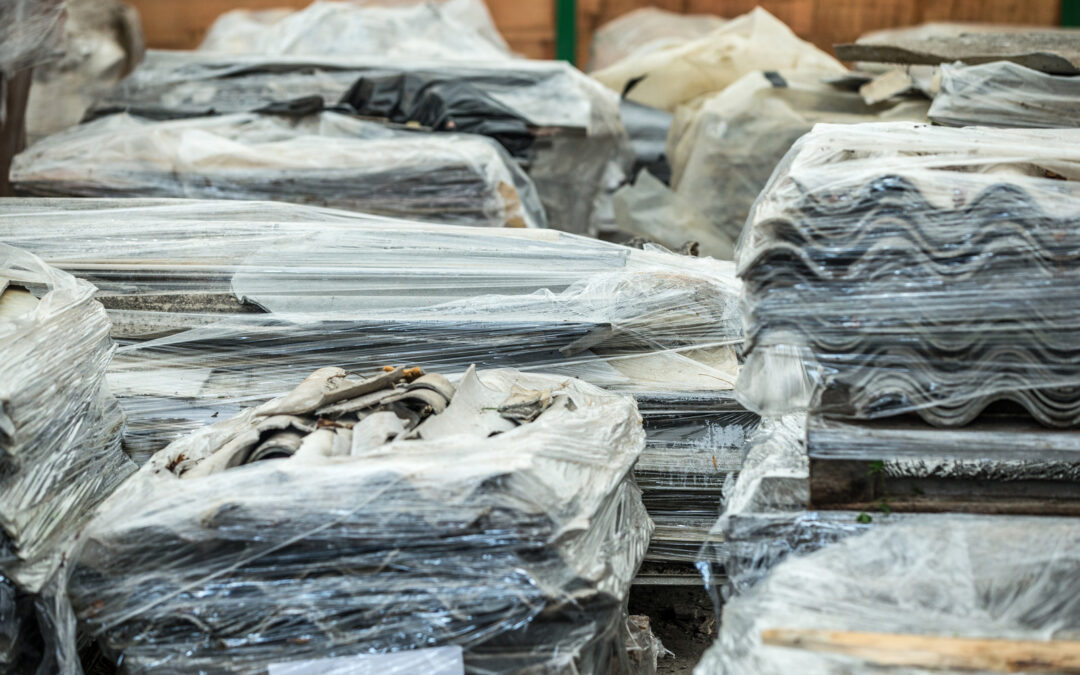
Proper packaging and labeling are critical steps in asbestos waste disposal Langley. All asbestos-containing materials must be placed in double layers of heavy-duty plastic bags or wrapped securely to prevent any fibers from escaping. Each bag or container should be clearly labeled as containing asbestos.
This labeling ensures that waste handlers, transporters, and disposal facilities are aware of the hazard and take appropriate precautions. Mislabeling or improper packaging can create serious safety risks and violate provincial regulations.
Transportation Rules
Transporting asbestos waste in Langley is regulated to prevent accidental exposure during transit. Only authorized vehicles should carry asbestos, and waste must be secured to avoid spillage. Companies transporting asbestos often require specific permits and must follow provincial transportation guidelines.
It is illegal for private individuals to transport large amounts of asbestos waste themselves unless they follow strict safety protocols. Using a certified waste removal company is the safest and most compliant option.
Approved Disposal Facilities
Once asbestos waste is safely packaged and transported, it must be taken to an approved disposal facility. In Langley, these facilities are equipped to handle hazardous waste disposal Langley and ensure that asbestos does not contaminate soil, water, or air.
Facilities use specialized methods to safely bury or treat asbestos waste. Landfill sites that accept asbestos must have containment systems and follow environmental protection measures. Dropping off asbestos at a regular dump or recycling center is strictly prohibited and considered illegal.
Residential vs. Commercial Disposal
Rules apply to both residential and commercial projects, but commercial projects often involve larger quantities and may require additional documentation or permits. Contractors working on large-scale renovations, demolitions, or industrial sites must comply with all provincial reporting and safety standards.
For homeowners, even small amounts of asbestos require careful handling. Many residential renovation projects in Langley involve old siding, flooring, or insulation that may contain asbestos. In such cases, it’s recommended to hire certified professionals to remove and dispose of the material safely.
Legal and Health Consequences
Failure to follow asbestos disposal rules in Langley can result in serious consequences. These include:
- Fines and Penalties: Provincial authorities can issue significant fines for improper handling or disposal.
- Legal Liability: Homeowners or contractors can be held liable if asbestos exposure causes harm to others.
- Health Risks: Exposure to airborne fibers can have long-term health effects for anyone nearby.
Following the proper procedures protects not only your health but also your family, employees, and neighbors.
How Canadian Empire Recycling Can Help
Managing asbestos waste safely requires experience, knowledge, and certified equipment. Canadian Empire Recycling offers professional services for asbestos removal and disposal in Langley. Their team ensures that all materials are handled according to provincial regulations, from removal to transportation and final disposal.
They provide peace of mind for homeowners and businesses by managing hazardous waste responsibly and safely. Contact Canadian Empire Recycling, and you can be confident that your asbestos waste is being processed legally and with the highest safety standards.
Whether it’s a small residential project or a larger commercial renovation, Canadian Empire Recycling makes asbestos waste disposal straightforward and stress-free. Contact them today to schedule a consultation or learn more about their services.