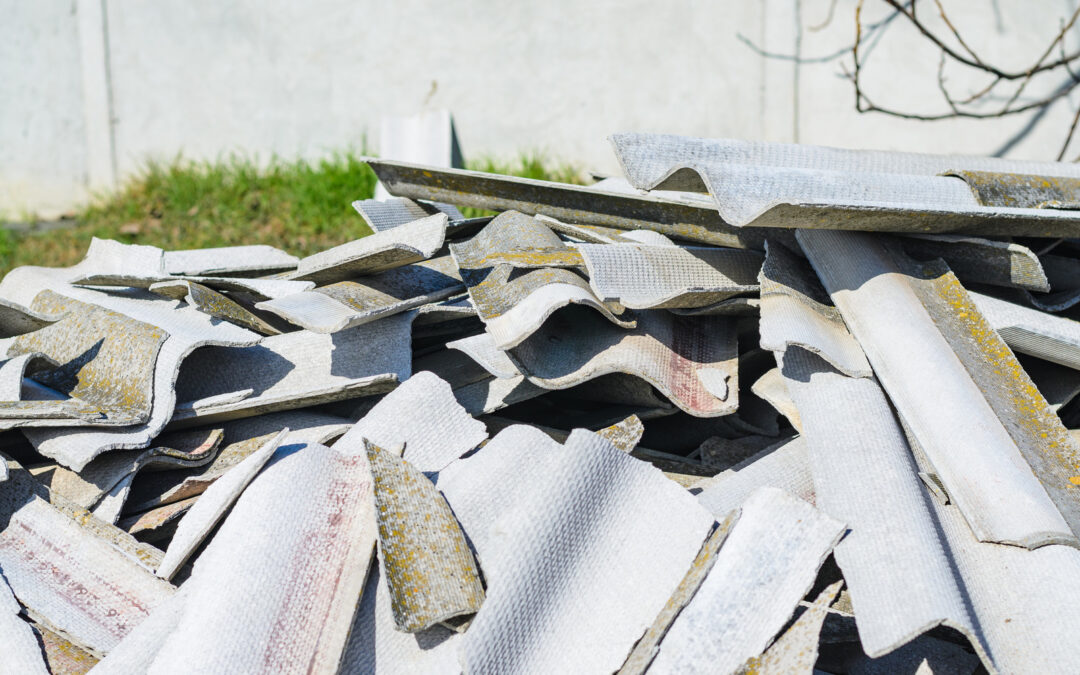
Asbestos-containing materials are still found in many older residential, commercial, and industrial buildings across. During renovations, demolitions, or repairs, asbestos waste must be handled with extreme care due to the serious health risks it poses. Understanding how asbestos waste is transported and disposed of is essential for property owners, contractors, and businesses to remain compliant, protect public health, and avoid costly penalties.
Why Asbestos Waste Requires Special Handling
Asbestos fibers are microscopic and become highly dangerous when disturbed and released into the air. Inhalation of these fibers can lead to severe health conditions, including lung disease and cancer. Because asbestos cannot be safely treated like regular construction waste, strict protocols govern its removal, transport, and disposal.
Improper handling—such as breaking containment, using unapproved vehicles, or dumping waste illegally—can contaminate entire areas and expose workers and the public to long-term risks. This is why asbestos waste management is tightly regulated at both provincial and municipal levels.
Identifying and Preparing Asbestos Waste
Before transportation can begin, asbestos-containing materials must be properly identified and prepared. This typically involves professional testing and assessment to confirm the presence and type of asbestos. Once identified, materials are carefully removed using controlled methods that minimize fiber release.
Preparation includes:
- Wetting materials to reduce airborne fibers
- Sealing waste in approved, leak-tight bags or containers
- Clearly labeling packages as asbestos-containing material
These steps are critical to ensure safety throughout the transport and disposal process.
Approved Transportation Methods
Transporting asbestos waste requires specialized procedures and licensed carriers. Only approved vehicles equipped to handle hazardous materials are permitted to move asbestos waste. These vehicles must be sealed, properly labeled, and operated by trained personnel who understand emergency response procedures.
Transportation routes are often planned to minimize exposure risks, and documentation must accompany each load. This documentation ensures traceability from the removal site to the disposal facility, helping authorities verify compliance.
Where Asbestos Waste Goes After Pickup
Once transported, asbestos waste must be delivered to authorized disposal facilities designed to handle hazardous materials. These facilities have strict controls in place to prevent fiber release into the environment. Waste is typically buried in designated cells and immediately covered to prevent disturbance.
This controlled process ensures that asbestos remains contained permanently, eliminating future risks to people and ecosystems. Following these steps is a core requirement of Asbestos Waste Disposal Langley regulations and is closely monitored by environmental authorities.
Regulatory Oversight and Compliance
Langley follows provincial guidelines that dictate how waste must be handled at every stage. Contractors and property owners are responsible for ensuring that licensed professionals are used and that all procedures meet regulatory standards.
Failure to comply can result in:
- Significant fines
- Project shutdowns
- Legal liability for health impacts
- Long-term reputational damage
Compliance is not optional—it is a legal obligation designed to protect workers, residents, and the environment.
Role of Professional Disposal Services
Because of the complexity involved, most property owners and businesses rely on professional waste management companies to handle asbestos disposal. Experienced providers understand the legal requirements, safety protocols, and logistical challenges involved.
Many clients work with trusted companies like Canadian Empire Recycling, which manage the entire process—from secure transport to compliant disposal, ensuring peace of mind and regulatory adherence.
Connection to Hazardous Waste Management
Asbestos waste is a major component of broader hazardous materials management. It often intersects with other regulated waste streams generated during renovations or demolitions. Proper coordination ensures that all hazardous materials are managed safely and efficiently.
This is why asbestos handling is often integrated into comprehensive Hazardous Waste Disposal Langley plans, allowing businesses to streamline compliance and reduce operational risks.
Environmental and Community Protection
Proper asbestos transport and disposal play a vital role in protecting Langley’s air quality, soil, and water systems. Responsible waste handling prevents contamination that could affect residential neighborhoods, schools, and commercial areas.
When asbestos waste is managed correctly, it eliminates future exposure risks and supports safer redevelopment and infrastructure improvement across the region.
Long-Term Benefits of Doing It Right
While compliant asbestos disposal may seem costly upfront, it prevents far greater expenses in the long run. Avoiding fines, lawsuits, cleanup costs, and health claims protects both finances and reputation. Responsible disposal also supports sustainable development and safer construction practices.
Choose a Trusted Disposal Partner
Transporting and disposing of asbestos waste in Langley is a highly regulated process that demands expertise, precision, and accountability. From proper packaging and licensed transport to approved disposal facilities, every step must be handled correctly to protect people and the environment.
For safe, compliant, and professional asbestos waste solutions, Canadian Empire Recycling offers reliable services tailored to projects. Contact Canadian Empire Recycling to ensure your asbestos waste is transported and disposed of responsibly, legally, and with complete peace of mind.