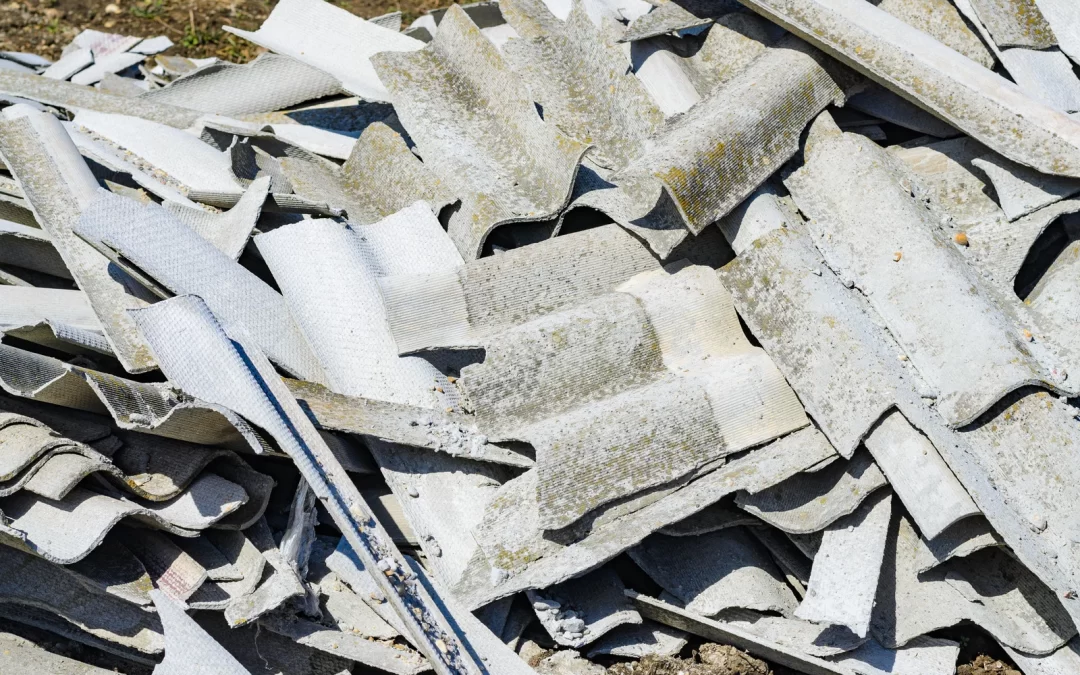
Asbestos was once hailed as a miracle material for insulation, fire resistance, and durability. Unfortunately, it’s now known for its severe health risks, including lung cancer. If you live in an older home, there’s a chance that insulation, floor tiles, siding, or other construction materials may contain amosite. When these materials are damaged or disturbed, they can release dangerous fibers into the air. Proper disposal is essential to keeping your home and family safe.
Understanding the Risks
Asbestos fibers are microscopic, and once inhaled, they can become lodged in the lungs. The health effects may not appear for decades, making prevention and safe handling even more critical. This is why Asbestos Waste Langley must be managed according to strict safety and disposal guidelines. Removing amosite is never a do-it-yourself project; trained professionals have the equipment and protective gear needed to handle it safely.
Identifying Asbestos in Your Home
Common residential asbestos-containing materials include:
- Popcorn ceilings installed before the 1990s
- Vinyl floor tiles and adhesive
- Pipe insulation
- Cement siding or roofing shingles
- Certain wallboard and joint compound
If you suspect these materials are present, stop any renovation work immediately and have a licensed amosite inspector test the materials before disturbing them.
Why Safe Disposal Matters
Improperly handling asbestos not only risks your health but can also contaminate the surrounding environment. Amosite does not break down or decay over time. Once released, fibers can remain airborne for long periods, putting others at risk. This is why Hazardous Waste Disposal Langley plays such an important role in protecting the community and environment.
The Disposal Process
The safe disposal of residential asbestos involves several key steps:
- Assessment – A certified professional inspects the home and identifies asbestos-containing materials.
- Containment – The work area is sealed off to prevent fibers from spreading.
- Removal – Using specialized equipment, the asbestos materials are carefully removed.
- Packaging – Waste is double-bagged in labeled, leak-tight containers to meet safety regulations.
- Transport – The packaged waste is taken to an approved disposal facility that accepts asbestos.
Drop-Off Locations for Hazardous Materials
Residents can take sealed and properly labeled asbestos waste to approved facilities. For some homeowners, a Hazardous Waste Drop Off Depot Langley is the most practical option, provided they’ve hired a licensed contractor to handle the removal and packaging. These depots ensure that asbestos is buried or contained in a way that prevents future exposure.
Working with a Trusted Recycling Partner
Even though asbestos isn’t recyclable in the traditional sense, many waste management services handle a variety of hazardous materials in an eco-conscious way. Canadian Empire Recycling provides safe handling for many types of waste, helping residents meet environmental regulations while ensuring safety during disposal. By working with a reputable service provider, you reduce the risk of improper handling and environmental contamination.
Protecting Your Home and Community
Safe disposal is about more than compliance; it’s about protecting the health of your household and neighbors. Amosite exposure can be prevented entirely when materials are identified early, handled professionally, and disposed of according to legal requirements. For homeowners in Langley and surrounding areas, knowing where to turn for proper waste disposal is the first step toward a safer, healthier home.
Contact for Safe Disposal Services
If you need assistance with safe and compliant waste removal, Canadian Empire Recycling can connect you with the resources you need. Their team ensures materials are handled with care and transported to approved facilities for proper disposal. Contact Canadian Empire Recycling to schedule a consultation and keep your home safe from asbestos hazards.