
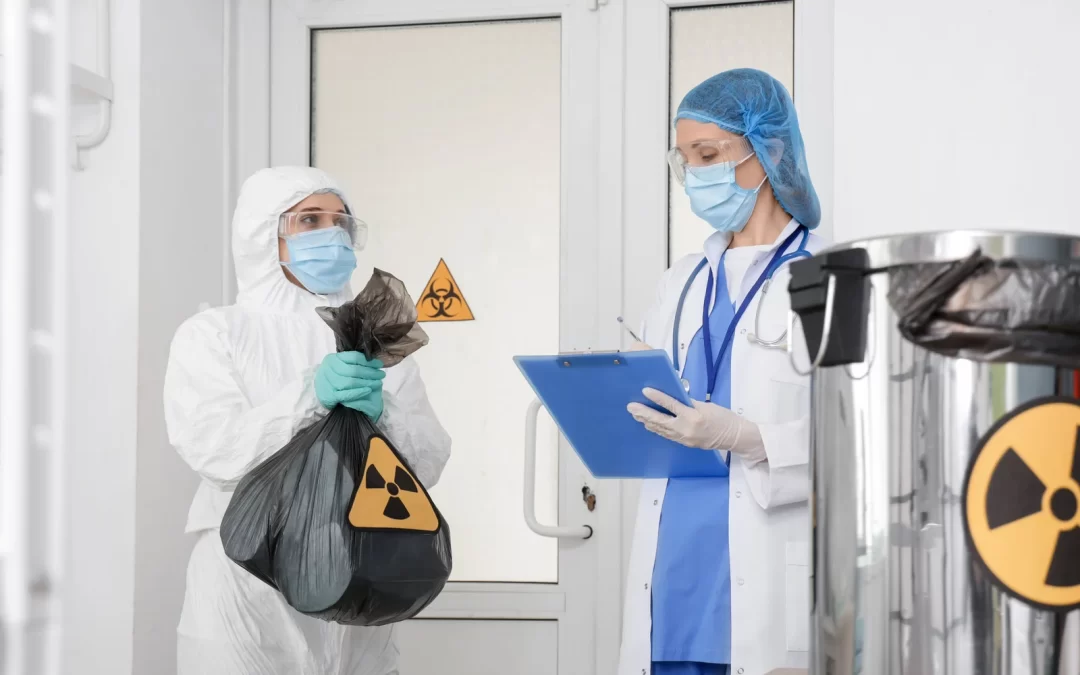
Delta is known for its rich natural beauty lush parks, coastal landscapes, farmland, and vibrant neighbourhoods. But protecting this environment requires ongoing community responsibility, especially when it comes to handling hazardous household materials. Many residents use paints, cleaners, oils, batteries, pesticides, fuels, and electronics every day without realizing the environmental impact when they’re not disposed of safely. Proper handling is more than a legal requirement it is a commitment to safeguarding Delta’s soil, water, wildlife, and long-term public health.
Why Safe Disposal Matters in a Growing Community
Delta continues to grow, with more families, businesses, and industries moving into the area. This growth increases the amount of household and commercial waste, including materials that can be unsafe when tossed into regular bins. Many harmful products contain chemicals that react when exposed to air, water, or heat. When these items end up in landfills, storm drains, or soil, they create long-lasting contamination.
Choosing responsible handling methods including using Hazardous Waste Disposal Delta services helps keep dangerous substances out of the natural environment. For a region surrounded by wetlands, waterways, and coastal zones, every safe decision makes a difference.
How Improper Disposal Harms Local Soil and Water
One of the most serious concerns linked to hazardous waste is contamination of soil and groundwater. Delta’s landscape includes farmland, riverbanks, and marsh areas that absorb water naturally. If chemicals seep through layers of earth, they can remain for decades, affecting:
- Crop health
- Groundwater quality
- Wildlife food sources
- Household gardens
- Local biodiversity
Even a small amount of oil or pesticide can contaminate a wide area. Certain chemicals also travel through water channels, eventually reaching the Fraser River and coastal ecosystems, harming fish and marine life. Proper handling prevents these long-term environmental effects and supports sustainable land use.
Protecting Wildlife and Natural Habitats
Delta’s wildlife relies on clean water, healthy soil, and safe vegetation. Birds, fish, small mammals, and insects face significant risk when exposed to toxic waste. Chemicals can disrupt food chains, harm nesting areas, and weaken entire populations.
For example:
- Lead from batteries can poison birds and small animals.
- Oil and fuel residue can coat feathers and fur.
- Antifreeze is highly toxic for pets and wildlife.
- Certain household cleaners harm aquatic environments.
By following safe disposal practices, residents protect the delicate balance of natural habitats and help preserve Delta’s diverse ecosystems.
Reducing Air Pollution and Dangerous Reactions
Some products release fumes when heated or exposed to moisture. When people burn or bury toxic items, dangerous gases spread through the air, lowering air quality and affecting respiratory health. In addition, chemicals from everyday products may react unpredictably when mixed in landfills.
Safe disposal prevents:
- Toxic smoke
- Chemical fires
- Harmful vapours
- Airborne pollutants
This lower-risk approach keeps Delta’s air safer for children, older adults, and anyone with respiratory sensitivities.
Why Using Designated Drop-Off Locations Matters
Many hazardous materials cannot be disposed of through regular curbside collection. Designated locations provide safe handling, storage, and transportation. These facilities follow strict environmental standards that keep the community safe.
By making use of local services such as Hazardous Waste Drop Off Delta, residents ensure that harmful material is processed according to proper guidelines. This keeps dangerous items out of landfills, water systems, and neighbourhood recycling bins.
Community Awareness and Responsible Practices Protect Delta
Sustainable waste management begins with education. When residents understand which materials are harmful, they can make safer choices. Simple steps include:
- Reading product labels before disposal
- Storing chemicals correctly
- Keeping hazardous items away from regular waste
- Teaching family members safe handling habits
- Using designated disposal services
Community participation strengthens environmental protection efforts and supports long-term sustainability. This is why many local residents value organizations like Canadian Empire Recycling, which help promote safer handling and awareness throughout the region.
Choosing Eco-Friendly Alternatives Reduces Future Risks
Preventing hazardous waste is just as important as disposing of it correctly. Households can reduce their environmental impact by:
- Selecting biodegradable cleaners
- Using natural pesticides
- Buying rechargeable batteries
- Switching to low-VOC paints
- Reducing chemical-based products
These small shifts lower the volume of hazardous waste and create a cleaner, healthier environment for present and future generations.
Keep Delta Safe With Proper Waste Disposal
Delta’s environment is one of its greatest strengths, and every resident plays a part in protecting it. Safe disposal protects water, land, wildlife, and community health. It also supports long-lasting environmental stewardship and reduces long-term pollution. For reliable guidance and safe handling support, contact Canadian Empire Recycling, a dedicated local resource that helps households manage hazardous materials responsibly and sustainably.