
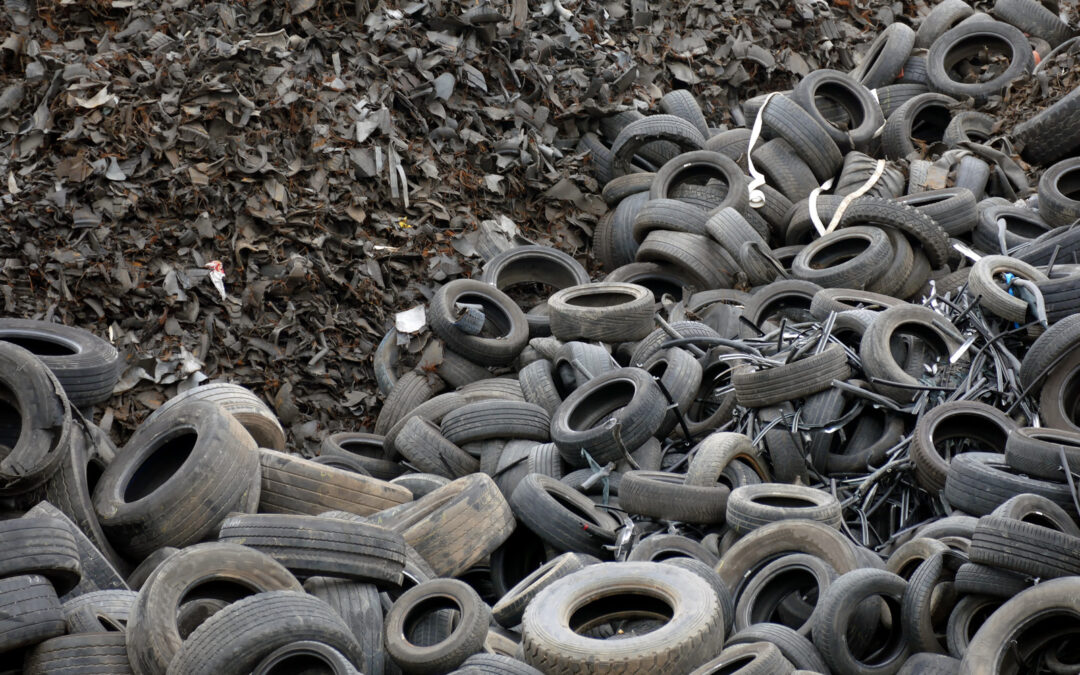
Proper disposal of construction and heavy equipment tires is a growing concern. Unlike standard passenger vehicle tires, large industrial and construction tires pose unique challenges due to their size, weight, and material composition. Improper disposal can lead to environmental hazards, legal penalties, and wasted resources. Fortunately, Tires Recycling Delta services are designed to handle these issues safely and efficiently.
In this guide, we’ll cover why recycling construction and heavy equipment tires is essential, the recycling process, regulations to be aware of, and how businesses in Delta can responsibly dispose of their industrial tires.
Why Recycling Construction & Heavy Equipment Tires Matters
Construction and heavy equipment tires are made from thick rubber, steel belts, and synthetic materials, making them difficult to break down naturally. Dumping these tires in landfills can create several problems:
- Environmental hazards: Tires can trap water, creating breeding grounds for mosquitoes and other pests. They can also release harmful chemicals if burned improperly.
- Space issues: Large tires take up significant landfill space.
- Fire risks: Tires in landfills can ignite, producing toxic smoke that’s hard to extinguish.
- Legal penalties: Improper disposal can result in fines or legal action under local waste management regulations.
Recycling these tires not only prevents these problems but also allows for material recovery. Recycled rubber can be used in playground surfaces, road construction, or even as fuel for certain industrial processes.
Understanding the Tire Recycling Process
Recycling construction and heavy equipment tires involves several steps:
- Collection & Transportation: Specialized vehicles and equipment are used to collect large tires safely. Companies experienced in Tires Recycling Delta ensure that tires are transported without damaging public roads or private property.
- Sorting & Inspection: Tires are sorted based on size, type, and material composition. Any tires contaminated with hazardous materials are separated for proper handling.
- Shredding & Grinding: Large tires are shredded into smaller pieces. Steel components are removed using magnets, and rubber is ground down into granules for reuse.
- Reusing & Recycling: Recycled rubber can be transformed into:
- Road surfaces or asphalt
- Playground and sports surfaces
- Industrial mats or fuel alternatives
This process reduces waste and conserves natural resources while providing economic value.
Regulations Around Industrial Tire Disposal
Businesses in Delta must comply with strict regulations regarding tire disposal. These regulations are in place to protect public health, prevent environmental damage, and ensure safe recycling practices.
Key considerations include:
- Hazardous Waste Classification: Some heavy equipment tires may contain chemical residues or oils that classify them as hazardous. Proper handling and documentation are required for disposal.
- Permits and Documentation: Companies may need permits to transport and dispose of large tires. Maintaining proper records ensures compliance and avoids penalties.
- Recycling Mandates: Certain municipalities in British Columbia encourage or require businesses to recycle tires through approved facilities rather than sending them to landfills.
Working with an experienced Hazardous Waste Disposal Delta provider ensures that all regulatory requirements are met while minimizing risk.
Benefits of Using Professional Tire Recycling Services
Professional tire recycling services offer several advantages for construction companies, warehouses, and industrial operators:
- Safety: Trained personnel handle heavy tires, reducing the risk of injury or property damage.
- Efficiency: Large-scale operations are equipped to remove tires quickly and efficiently.
- Environmental Compliance: Companies ensure all tires are disposed of according to local and provincial regulations.
- Sustainability: Proper recycling allows materials to be reused, supporting green initiatives and corporate sustainability goals.
For businesses generating large volumes of tires, outsourcing disposal to a professional provider is often more cost-effective than attempting DIY solutions.
Commercial & Industrial Applications
Construction and heavy equipment tire recycling is particularly relevant for:
- Construction Companies: Bulldozers, loaders, and excavators produce large, durable tires that must be recycled responsibly.
- Mining Operations: Large off-road trucks and earth-moving equipment generate oversized tires unsuitable for standard disposal methods.
- Agricultural Businesses: Tractors and harvesters use heavy-duty tires that require professional handling.
- Industrial Warehouses: Forklifts and specialty vehicles may have tires that need proper recycling.
By partnering with a licensed provider, these industries can ensure their tires are processed safely and sustainably.
Cost Considerations
The cost of recycling heavy equipment tires depends on:
- Tire size and weight
- Volume of tires to be recycled
- Transportation and handling requirements
- Whether tires are classified as hazardous
While recycling may have upfront costs, it prevents potential fines, environmental liabilities, and storage issues. Additionally, some providers may offer discounted rates for bulk tire recycling.
Choosing a Reliable Provider
When selecting a Tires Recycling Delta service, consider:
- Experience with construction and heavy equipment tires
- Compliance with local and provincial regulations
- Safe handling and transportation practices
- Ability to provide proper documentation and certificates of disposal
- Commitment to eco-friendly recycling practices
Working with a trusted partner ensures that your business avoids liability and supports sustainability efforts.
Construction and heavy equipment tire recycling is essential for environmental protection, legal compliance, and operational efficiency. By understanding the recycling process, regulations, and benefits, Delta businesses can make informed decisions about managing industrial tires.
For safe and efficient disposal, Canadian Empire Recycling offers expert Hazardous Waste services. Their experienced team handles industrial and commercial tires of all sizes, ensuring responsible recycling and compliance. Contact Canadian Empire Recycling to schedule a pickup or learn more about their services.