
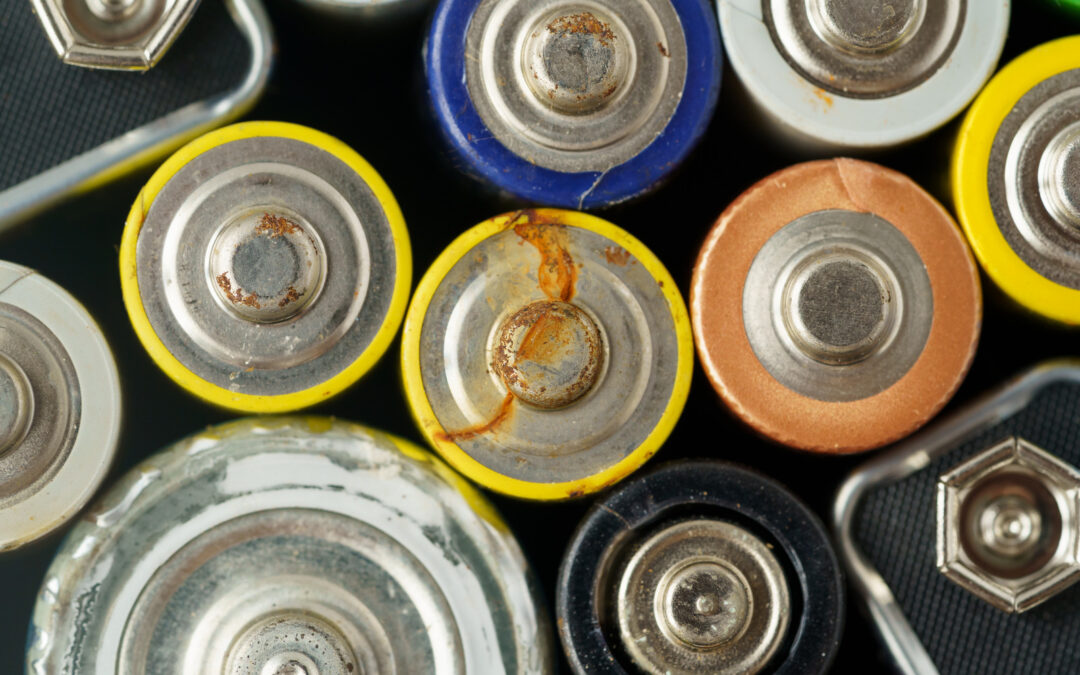
Batteries power nearly everything in modern workplaces, from laptops and forklifts to emergency lighting and handheld tools. But when those batteries die, they can quickly turn from useful to hazardous. Many businesses in Delta don’t realize that used batteries aren’t just trash; they’re considered hazardous waste under provincial regulations.
Improper battery disposal can cause fires, environmental damage, and even legal penalties. Understanding why batteries are dangerous and how to dispose of them safely helps your business stay compliant and environmentally responsible.
Here’s what businesses need to know about safe Hazardous Waste Disposal practices when it comes to batteries.
Why Are Used Batteries Considered Hazardous Waste?
Batteries are classified as hazardous waste because they contain toxic chemicals and heavy metals such as:
- Lead – Found in automotive and industrial applications; highly toxic to humans and animals.
- Mercury – Present in some button cells; even small amounts can contaminate soil and water.
- Cadmium and Nickel – Common in rechargeable batteries; they pose long-term environmental risks.
- Lithium – Found in modern electronics; highly flammable if punctured or exposed to moisture.
When they are crushed, burned, or left to corrode in landfills, these substances can leak into the ground or release harmful vapors into the air. Over time, this contributes to pollution and poses health hazards to nearby communities.
The Risks of Improper Battery Disposal
Many business owners underestimate the risks of tossing into regular garbage bins or recycling streams. Improper disposal can lead to:
- Fire Hazards
Lithium-ion batteries are especially volatile. If punctured, they can short-circuit and ignite, leading to fires in garbage trucks or recycling plants. - Toxic Leaks
Old batteries can rupture and release acids, metals, and toxic fluids that damage soil and groundwater. - Legal Penalties
Under British Columbia’s Environmental Management Act, businesses that mishandle hazardous materials may face fines or regulatory action. - Public Health Risks
Battery chemicals can accumulate in the food chain, affecting both human and animal health.
Proper disposal protects not only your workplace but also Delta’s surrounding ecosystems from the Fraser River to nearby wetlands.
Common Types of Hazardous Batteries
Businesses in Delta may generate several types of used batteries, each requiring special disposal methods:
- Lead-Acid Batteries: Common in vehicles, forklifts, and backup power systems. These are recyclable but must be handled by certified recyclers.
- Nickel-Cadmium (NiCd) Batteries: Often found in cordless tools; contain toxic cadmium.
- Lithium-Ion Batteries: Used in laptops, cellphones, and power banks; must never be crushed or exposed to heat.
- Alkaline Batteries: Some modern versions are less hazardous, but older ones may still contain mercury.
- Button-Cell Batteries: Found in watches, hearing aids, and small electronics; can contain silver oxide or mercury.
Each type has its own risks, so sorting before disposal is essential.
Safe Battery Disposal Tips for Businesses
Proper disposal doesn’t have to be complicated. Here are practical steps to manage battery waste safely:
1. Collect Batteries in a Designated Container
Set up sealed, non-metallic bins specifically labeled “Used Batteries – Hazardous Waste.” Keep them away from heat sources and combustible materials.
2. Separate Battery Types
Mixing lithium-ion with lead-acid or nickel-cadmium batteries can increase fire or chemical reaction risks. Store them separately in clearly marked containers.
3. Tape Battery Terminals
For rechargeable and lithium batteries, cover terminals with non-conductive tape (such as electrical tape) to prevent short circuits.
4. Train Employees
Make sure your staff knows how to identify battery hazards, label waste containers, and report leaks or swelling batteries immediately.
5. Schedule Regular Pickups
Partner with a licensed Hazardous Waste Disposal company that provides pickup and recycling services for used materials. Regular collection prevents dangerous accumulation in your workplace.
6. Never Dispose of Batteries in Regular Trash
Even small batteries can ignite or leak under pressure. Always use certified recycling or disposal programs.
Battery Recycling: Turning Waste into a Resource
The good news? Many of the materials inside, such as lead, nickel, and lithium, can be recycled and reused.
Battery recycling reduces the demand for raw materials and minimizes environmental damage caused by mining. Certified recyclers use advanced processes to:
- Extract reusable metals
- Neutralize acids and electrolytes
- Properly treat or destroy toxic compounds
This not only helps protect Delta’s environment but also supports British Columbia’s goal of creating a more circular economy.
Regulations for Businesses
The BC Ministry of Environment and WorkSafeBC require businesses to store, handle, and dispose of hazardous waste according to strict safety standards.
Companies that produce or store in bulk may need to:
- Register as a hazardous waste generator
- Maintain transport manifests for waste collection
- Use licensed hazardous waste carriers and disposal facilities
Following these requirements ensures your business avoids fines and remains compliant with environmental laws.
Eco-Friendly Practices for Battery Management
Beyond disposal, businesses can adopt sustainable battery management habits:
- Switch to Rechargeable: They reduce waste and costs over time.
- Buy in Bulk and Track Usage: Fewer purchases mean fewer disposals.
- Work with Recycling Programs: Join initiatives that recover and recycle battery materials responsibly.
- Educate Employees: Promote awareness about battery hazards and sustainability efforts.
Delta’s growing commitment to environmental protection means every small change helps keep the community cleaner and safer.
Why Professional Hazardous Waste Services Matter
Handling hazardous materials isn’t a do-it-yourself task. Professional waste disposal companies provide:
- Certified containers for safe battery collection
- Licensed transportation to approved recycling facilities
- Documentation to prove compliance with local and provincial regulations
- Environmentally sound recycling and treatment processes
Working with a trusted partner ensures your business stays safe, sustainable, and compliant with BC’s environmental standards.
For safe, reliable, and fully certified Hazardous Waste Disposal in Delta, trust Canadian Empire Recycling. Their expert team manages battery collection, transportation, and recycling for businesses of all sizes, ensuring compliance and peace of mind.
Contact Canadian Empire Recycling to schedule a consultation or pickup service for your used hazardous materials.