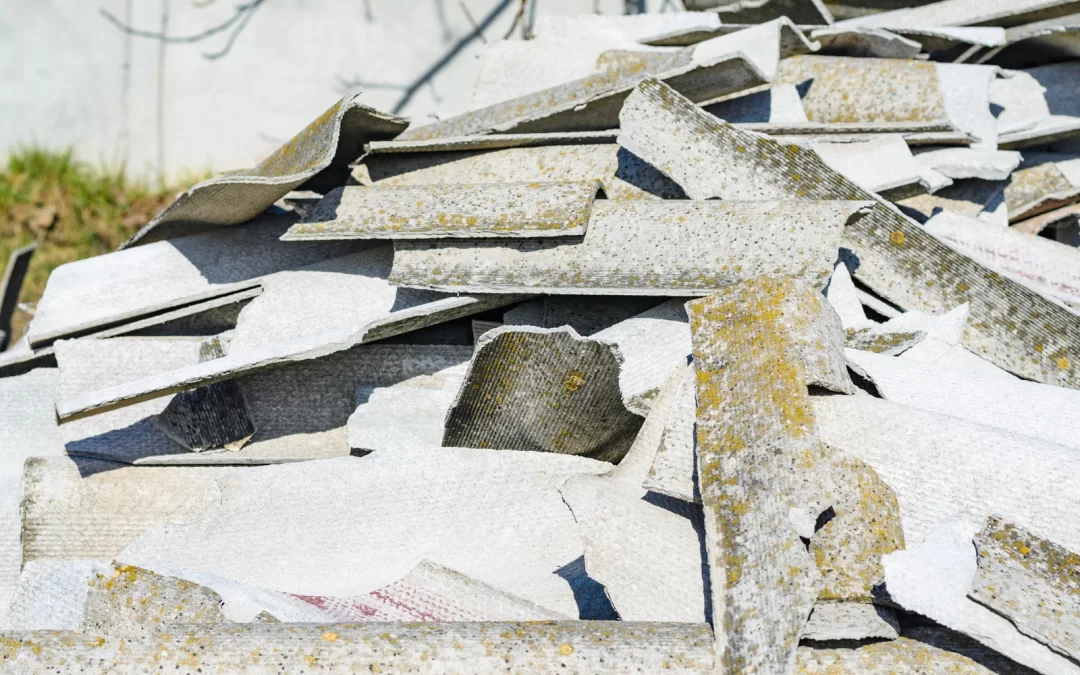
When it comes to renovation, demolition, or large-scale construction projects, asbestos is one of the most serious materials businesses must handle. In older commercial buildings across Coquitlam and the surrounding Metro Vancouver region, asbestos can still be found in insulation, drywall compounds, ceiling tiles, flooring, roofing materials, and pipe wraps.
Improper handling of asbestos waste can lead to severe health risks, environmental contamination, and heavy penalties. That’s why understanding the proper process for commercial asbestos waste disposal is essential for contractors, property managers, and business owners.
Let’s break down the correct procedure step by step.
Why Asbestos Is a Serious Concern in Commercial Projects
Asbestos fibres are microscopic and become dangerous when disturbed. Once airborne, they can be inhaled and remain in the lungs for years, potentially causing serious illnesses such as:
- Mesothelioma
- Lung cancer
- Asbestosis
Because of these risks, asbestos is classified as a hazardous material under British Columbia regulations. Commercial waste generators are legally responsible for ensuring safe handling, transportation, and disposal.
Step 1: Conduct a Hazardous Materials Survey
Before any demolition or renovation begins, a hazardous materials survey must be conducted.
In commercial properties, this is not optional—it is required by provincial workplace safety regulations. A qualified environmental consultant will:
- Inspect suspect materials
- Collect samples
- Send them to an accredited laboratory
- Provide a written report confirming asbestos content
This step determines whether your project involves asbestos-containing materials (ACMs) and what level of risk is present.
Skipping this step can result in stop-work orders and costly fines.
Step 2: Hire a Licensed Asbestos Abatement Contractor
If asbestos is confirmed, removal must be performed by a licensed asbestos abatement contractor.
Commercial asbestos removal requires:
- Containment barriers
- Negative air pressure systems
- Wet removal techniques
- HEPA filtration equipment
- Trained workers wearing certified protective gear
Attempting to remove asbestos without proper licensing and training is illegal for commercial projects in British Columbia.
Professional abatement ensures fibres do not spread to other areas of the building or into the surrounding environment.
Step 3: Proper Packaging of Asbestos Waste
After removal, asbestos materials must be packaged according to hazardous waste regulations.
The proper packaging process includes:
- Double-bagging waste in 6-mil polyethylene bags
- Sealing all seams securely
- Clearly labelling bags as “Asbestos Waste.”
- Wrapping large debris in heavy-duty plastic sheeting and taping it tightly
The goal is to prevent fibre release during handling and transportation.
Commercial sites must also maintain documentation showing how the waste was packaged and secured.
Step 4: Safe Transportation of Hazardous Waste
Asbestos waste cannot be transported like regular construction debris. It must be moved by authorized carriers who comply with hazardous waste transportation laws.
Key requirements include:
- Proper vehicle containment
- Hazardous waste manifests
- Correct classification under transport regulations
- Delivery to an approved disposal facility
Every load must be traceable from the job site to the final disposal location. Documentation is critical for compliance and liability protection.
Step 5: Disposal at an Approved Facility
Not all landfills accept asbestos waste. Commercial asbestos must be taken to designated facilities that are authorized to handle hazardous materials.
These facilities:
- Require advance notice or scheduled appointments
- Follow strict burial and containment procedures
- Charge specific hazardous material handling fees
Improper disposal—such as mixing asbestos with general construction debris—can lead to rejected loads and serious penalties.
Step 6: Maintain Compliance Records
After disposal, businesses must keep detailed records, including:
- Hazardous materials survey reports
- Abatement contractor certifications
- Waste manifests
- Disposal receipts
These records protect your company during inspections and demonstrate regulatory compliance.
For commercial property managers, keeping organized documentation is essential for insurance and liability purposes.
Common Mistakes to Avoid
Many businesses unknowingly make errors during asbestos disposal. Here are some common mistakes:
- Failing to conduct proper pre-renovation testing
- Using unlicensed removal workers
- Improperly sealing or labelling waste
- Transporting waste without documentation
- Attempting to dispose of asbestos with regular construction debris
Avoiding these mistakes helps prevent delays, fines, and health hazards.
Why Professional Disposal Services Matter
Managing commercial waste Coquitlam is complex. Regulations can change, landfill requirements vary, and documentation must be precise.
That’s why many contractors and business owners rely on professional hazardous waste disposal companies to ensure everything is handled correctly from start to finish.
Working with an experienced provider reduces risk, saves time, and ensures your project remains compliant with provincial and municipal regulations.
Commercial Asbestos Waste Disposal Support in Coquitlam
Businesses handling asbestos materials during renovations or demolition projects should always partner with professionals who understand hazardous waste regulations.
Canadian Empire Recycling provides support for commercial asbestos waste disposal, helping contractors and businesses manage packaging, transportation coordination, and proper disposal at approved facilities. Their team understands the compliance requirements and ensures that hazardous materials are handled safely and responsibly.
If you are planning a renovation, demolition, or commercial construction project involving asbestos materials, contact Canadian Empire Recycling for guidance and professional disposal solutions. They assist businesses with safe handling procedures and compliant hazardous waste disposal services in and around.
Getting expert help ensures your project stays on schedule while meeting all legal safety requirements.
Commercial asbestos waste disposal in Coquitlam is a regulated, multi-step process that prioritizes health, environmental protection, and legal compliance. From initial testing and licensed removal to proper packaging and approved landfill disposal, every stage must be handled carefully.
By following the correct procedures and working with experienced professionals, businesses can safely manage asbestos waste while protecting workers, the public, and the environment.
If your commercial project involves asbestos, don’t take risks—follow the proper process and partner with experts who understand hazardous waste regulations.