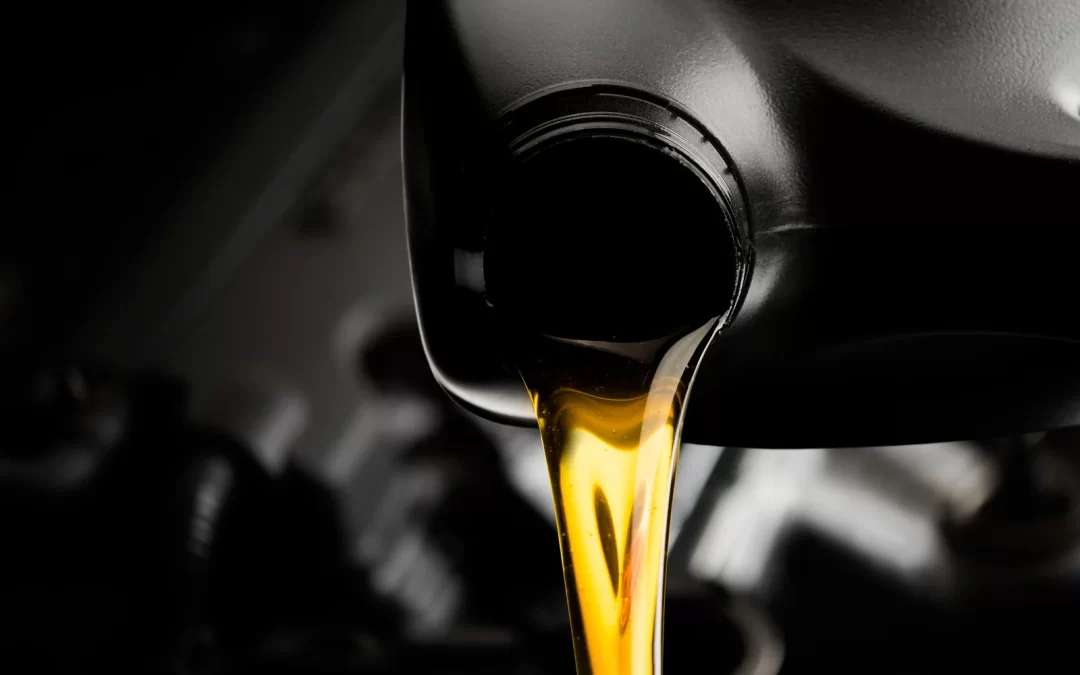
When you run an auto repair shop, oil changes are part of everyday business. But what happens after that oil is drained? Improperly disposing of used motor oil can harm the environment, contaminate water sources, and even result in fines. That’s why proper waste oil recycling for mechanics isn’t just a good practice; it’s a responsibility that keeps the community clean and compliant.
Understanding Waste Oil and Why It’s Hazardous
Waste oil refers to any petroleum-based or synthetic oil that has been used and is no longer suitable for its original purpose due to contamination, impurities, or chemical breakdown. This includes motor oil, transmission fluid, hydraulic fluid, and gear oil. These substances contain heavy metals, toxic chemicals, and residues that can cause severe environmental damage when improperly disposed of.
When spilled or dumped, waste oil can seep into soil and groundwater, polluting drinking water and harming aquatic life. For mechanics, following safe disposal and recycling procedures is essential for protecting both the environment and the reputation of your business.
The Benefits of Recycling Waste Oil
Recycling waste oil is an eco-friendly and cost-effective solution. Used oil can be re-refined into new lubricants, processed into fuel oils, or used as raw materials in industrial processes. This reduces the demand for new crude oil and conserves valuable natural resources.
For auto shops, proper recycling also helps maintain a cleaner workspace, minimizes hazardous waste accumulation, and ensures compliance with environmental laws. Customers increasingly value sustainable practices, so showing commitment to waste oil recycling can enhance your shop’s credibility and community reputation.
Regulations Around Waste Oil Disposal
Waste oil is considered a hazardous material and must be handled in accordance with provincial and municipal environmental standards. Local regulations require all auto shops and service centres to store waste oil in approved containers, label them clearly, and ensure they’re not mixed with other waste products like antifreeze or solvents.
Proper containment, recordkeeping, and pickup by licensed recyclers are key to compliance. Failing to follow these rules can result in fines or even business shutdowns. Working with an authorized waste oil recycler ensures you meet Hazardous Waste Disposal Coquitlam regulations and helps prevent legal or environmental issues.
Setting Up an Efficient Waste Oil Management System
Every mechanic shop should have a structured waste oil management system. Here’s how you can do it effectively:
- Designate a Storage Area: Choose a secure, leak-proof location away from drains and stormwater access.
- Use Approved Containers: Always store waste oil in sealed, labeled containers designed for hazardous materials.
- Regularly Inspect Storage Units: Check for signs of corrosion, leaks, or overfilling to avoid spills.
- Keep Records: Maintain logs of oil collection, transport, and recycling dates to stay compliant.
- Schedule Regular Pickups: Partner with a certified recycling facility for timely waste collection and disposal.
Implementing these steps ensures your shop stays organized, compliant, and environmentally responsible.
Partnering with a Certified Recycler
Not all recyclers are created equal. It’s crucial to work with a reputable and certified company that specializes in oil and Hazardous Waste Drop depot Coquitlam. Certified recyclers ensure that your used oil is collected safely, transported under approved conditions, and processed using environmentally sound methods.
Such partnerships not only simplify your waste management but also demonstrate your commitment to sustainability. A trusted recycler can also help you stay updated on changing disposal regulations and provide training for your staff to handle hazardous materials properly.
Common Mistakes Mechanics Should Avoid
Even experienced mechanics sometimes make errors when it comes to oil handling. Here are a few common mistakes to avoid:
- Mixing Waste Oil with Other Fluids: This can make recycling impossible and increase disposal costs.
- Storing Oil Outdoors Without Protection: Exposure to rain or heat can cause leaks and contamination.
- Ignoring Small Spills: Even minor spills can accumulate and cause significant environmental damage.
- Using Unlicensed Haulers: Always verify the credentials of anyone collecting your oil.
By avoiding these pitfalls, you help safeguard Coquitlam’s environment and maintain professional standards.
How Mechanics Can Promote Sustainability
Mechanics can take small but impactful steps to reduce waste and pollution. Consider installing oil collection funnels, educating employees on proper handling procedures, and providing customers with information on how your shop recycles used oil responsibly. These eco-friendly practices not only make your business greener but also set a positive example within Coquitlam’s auto repair community.
Leading the Way with Canadian Empire Recycling
For mechanics and auto shops looking for reliable waste oil recycling and hazardous material disposal, Canadian Empire Recycling offers trusted, environmentally responsible solutions. Their team provides comprehensive services for the collection, transport, and processing of used oil and related waste products.
Whether you’re running a small garage or a large auto service centre, partnering with Canadian Empire Recycling ensures compliance, safety, and sustainability. They make proper waste oil recycling for mechanics simple, efficient, and eco-conscious.
Contact Canadian Empire Recycling to schedule your next pickup and keep your business compliant while protecting Coquitlam’s environment for future generations.