Renovating a commercial or residential property is an exciting step toward modernization and improved functionality. Whether you’re upgrading an office space, remodeling a retail store, or restoring an older building, renovations often uncover hidden surprises. One of the most serious concerns—especially in properties built before the 1990s—is asbestos.
If not handled properly, asbestos waste can pose significant health risks and legal liabilities. Before you begin tearing down walls or replacing old materials, here’s what you need to know about asbestos waste and how to manage it safely.
What Is Asbestos and Why Is It Dangerous?
Asbestos is a naturally occurring mineral that was widely used in construction materials for its durability, fire resistance, and insulation properties. It can be found in:
- Insulation
- Ceiling tiles
- Floor tiles
- Roofing shingles
- Drywall compounds
- Pipe wrapping
- Cement products
The danger arises when asbestos-containing materials (ACMs) are disturbed during renovations. Cutting, drilling, or demolishing these materials releases microscopic fibers into the air. When inhaled, these fibers can cause serious health conditions, including lung disease, asbestosis, and mesothelioma.
Because of these risks, asbestos handling and disposal are strictly regulated.
Why Renovations Increase Asbestos Risks
Renovation projects often involve demolition or structural changes, which disturb materials that may contain asbestos. Even minor upgrades—like replacing old flooring or ceiling panels—can release hazardous fibers.
Older commercial properties, in particular, may contain asbestos in multiple areas. Without proper testing and inspection, workers and occupants could unknowingly be exposed.
That’s why asbestos assessment should always be one of the first steps before beginning renovation work.
Step 1: Conduct a Professional Asbestos Inspection
Before starting any renovation, hire a certified professional to conduct an asbestos survey. This inspection identifies:
- The presence of asbestos-containing materials
- The condition of those materials
- The level of risk
- Recommended removal or containment methods
Skipping this step can lead to serious consequences, including project shutdowns, fines, and health hazards.
Step 2: Follow Legal and Regulatory Requirements
Asbestos Waste Disposal Coquitlam must comply with strict safety regulations. These rules outline proper containment, worker protection, air monitoring, and transportation procedures.
Improper handling can result in:
- Significant fines
- Legal action
- WorkSafeBC violations
- Project delays
- Reputational damage
Ensuring compliance protects your business and everyone involved in the project.
Step 3: Hire Licensed Asbestos Abatement Professionals
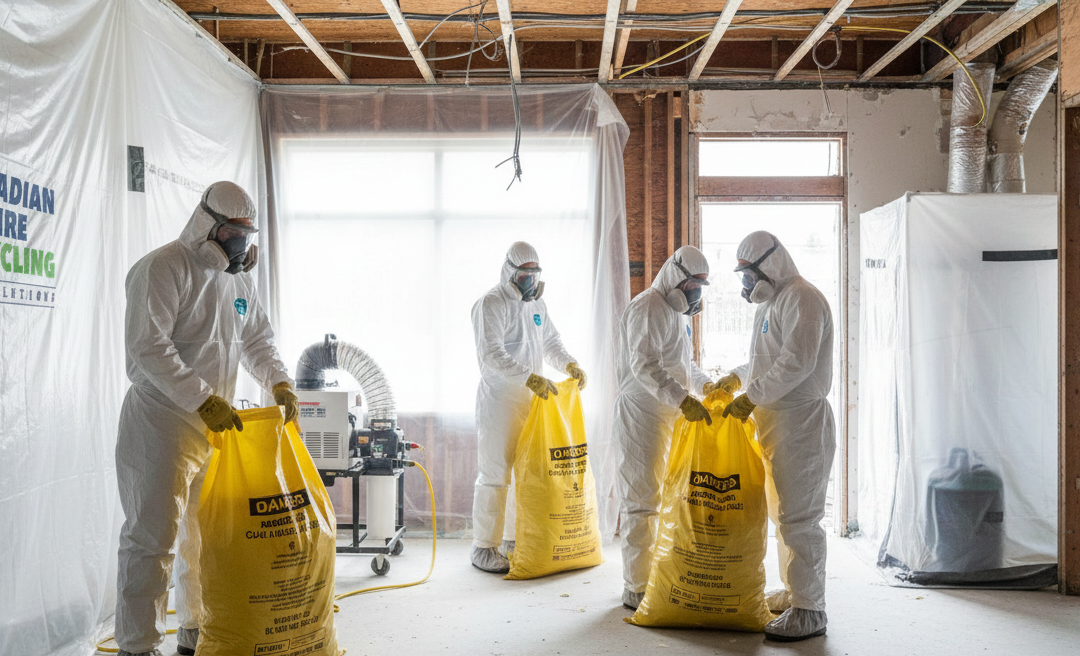
Asbestos removal is not a DIY task. Licensed abatement professionals use specialized equipment and protective gear to safely remove hazardous waste Coquitlam.
Their process typically includes:
- Sealing off contaminated areas
- Using negative air pressure systems
- Wearing protective suits and respirators
- Carefully packaging asbestos waste
- Decontaminating the site
Attempting to remove asbestos without proper training can endanger lives and lead to severe penalties.
Companies like Canadian Empire Recycling understand the importance of proper hazardous waste handling and emphasize safe, compliant disposal methods for construction and renovation projects.
Step 4: Proper Transportation and Disposal of Asbestos Waste
Once asbestos materials are removed, they must be transported to approved disposal facilities. Asbestos waste cannot be thrown into regular dumpsters or mixed with general construction debris.
The waste must be:
- Double-bagged in approved containers
- Clearly labeled as hazardous
- Transported by authorized carriers
- Delivered to designated disposal sites
Proper documentation is also required to track the movement and disposal of asbestos materials. This ensures accountability and regulatory compliance.
Common Mistakes to Avoid During Renovations
1. Assuming Newer Buildings Are Asbestos-Free
While asbestos was banned in many applications, some materials may still contain it in older renovations or imported products.
2. Skipping Pre-Renovation Testing
Even small projects can disturb asbestos-containing materials.
3. Improper Waste Disposal
Mixing asbestos with general debris can contaminate other materials and increase disposal costs.
4. Failing to Inform Workers
All workers involved in renovations must be aware of potential asbestos hazards.
Avoiding these mistakes ensures a smoother and safer renovation process.
The Cost of Ignoring Asbestos Regulations
Ignoring asbestos protocols may seem like a shortcut, but the consequences are severe. Cleanup of contaminated sites is extremely costly, and businesses may face lawsuits, fines, and long-term liability issues.
Additionally, exposure incidents can lead to serious health complications for employees and building occupants. Protecting human health should always be the top priority.
Planning Saves Time and Money
Incorporating asbestos management into your renovation plan prevents unexpected delays. Budgeting for inspections, abatement, and proper disposal ensures your project stays on schedule.
Working with experienced waste management professionals streamlines the process. From safe transportation to environmentally responsible disposal, professional support makes a significant difference.
Renovating a property is an investment in the future of your business or home—but safety must come first. Asbestos waste requires careful handling, proper containment, and strict compliance with local regulations.
Before you begin demolition or upgrades, schedule a professional inspection and work with qualified experts. Responsible asbestos management protects your workers, your property, and your reputation.
For reliable hazardous and construction waste disposal Coquitlam, Canadian Empire Recycling provides professional, compliant services tailored to renovation and commercial projects. Their experienced team ensures asbestos-containing materials are handled safely and transported to approved facilities according to regulations.
If you’re planning a renovation and need expert waste management solutions, contact Canadian Empire Recycling today to ensure your project remains safe, compliant, and environmentally responsible.