Diesel fuel is widely used across construction sites, transportation fleets, industrial facilities, and backup generators throughout Coquitlam. But what happens when diesel becomes contaminated, expired, or unusable? Many business owners and property managers are unsure whether diesel qualifies as hazardous waste and how it should be disposed of properly. Understanding local disposal regulations is essential to avoid environmental damage, hefty fines, and legal complications.
Is Diesel Considered Hazardous Waste?
Diesel itself is a combustible petroleum product. While unused diesel stored properly is not automatically classified as hazardous waste, it becomes hazardous under certain conditions. Contaminated diesel, diesel mixed with water or chemicals, sludge from fuel tanks, or large volumes of waste diesel are often treated as hazardous materials due to their flammability and environmental risks.
Diesel can:
- Ignite under certain conditions
- Release harmful fumes
- Contaminate soil and groundwater
- Pose risks to human health if mishandled
Because of these risks, waste diesel must be managed under strict environmental guidelines. In most commercial and industrial cases, waste diesel falls under regulated waste categories that require controlled handling and transportation.
Why Improper Diesel Disposal Is Dangerous
Improper disposal of diesel can have serious consequences. Pouring diesel into drains, onto soil, or into regular garbage bins is illegal and environmentally destructive. Even small amounts can contaminate large volumes of water.
Environmental risks include:
- Groundwater contamination
- Soil pollution
- Harm to wildlife
- Fire hazards
Beyond environmental damage, businesses can face heavy penalties if found non-compliant with provincial waste management laws. Regulatory authorities conduct inspections and enforce strict waste handling standards, especially for commercial properties.
Disposal Rules for Diesel in Coquitlam
In Coquitlam, diesel disposal is governed by environmental protection regulations that focus on safe storage, transportation, and processing of hazardous materials. Businesses must ensure:
- Diesel is stored in approved containers.
- Waste fuel is clearly labeled.
- Transportation is handled by licensed carriers.
- Disposal occurs at authorized treatment or recycling facilities.
Diesel cannot be dumped into municipal waste systems. Commercial operators generating waste diesel must maintain proper documentation and disposal records.
Companies seeking Diesel Disposal Coquitlam services should work only with certified waste management providers who understand local compliance requirements.
When Does Diesel Become Regulated Waste?
Diesel becomes regulated waste when:
- It is contaminated with water, solvents, or chemicals.
- It is mixed with other hazardous substances.
- It has degraded and is no longer usable.
- It results from tank cleaning or spill cleanup.
For example, sludge collected during fuel tank cleaning is often classified as hazardous material. Similarly, diesel recovered from spill incidents requires professional handling and disposal.
Businesses involved in construction, transportation, marine operations, and industrial activities often generate regulated diesel waste and must arrange Hazardous Waste Disposal Coquitlam services to remain compliant.
Commercial Diesel Waste: What Businesses Should Know
Commercial properties in Coquitlam frequently deal with large volumes of diesel from equipment, fleet vehicles, generators, and storage tanks. Unlike small residential quantities, commercial diesel waste falls under stricter regulatory oversight.
Businesses should:
- Conduct regular tank inspections
- Prevent leaks and contamination
- Keep records of fuel disposal
- Train staff in spill prevention procedures
Partnering with professional Commercial Waste Disposal Coquitlam providers ensures diesel waste is collected, transported, and processed according to provincial environmental standards.
The Importance of Professional Diesel Disposal Services
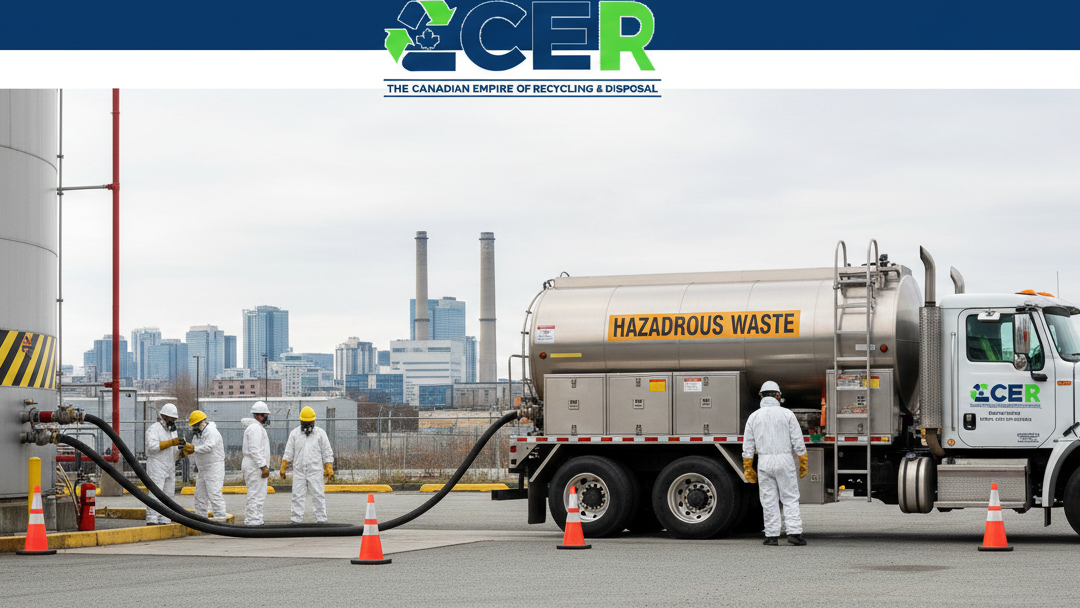
Handling diesel waste without professional assistance can expose businesses to legal risks. Licensed disposal companies follow strict safety protocols, including:
- Safe fuel extraction and pumping
- Secure transportation
- Spill containment procedures
- Environmentally approved recycling or disposal methods
Professional services reduce liability and ensure documentation is properly maintained. This is especially important during inspections or audits.
Diesel recycling may also be possible in certain situations, where uncontaminated fuel can be filtered and reused. This reduces environmental impact and can lower disposal costs.
Diesel Spill Cleanup and Emergency Situations
Accidental diesel spills require immediate attention. Quick response is crucial to prevent environmental contamination and fire hazards. Spill cleanup professionals use specialized equipment to contain and remove contaminated materials.
Emergency response teams ensure:
- Safe containment of the affected area
- Removal of contaminated soil or absorbents
- Proper disposal of recovered diesel
- Full regulatory compliance
Ignoring or delaying spill cleanup can result in significant fines and environmental damage.
Environmental Responsibility
Coquitlam places strong emphasis on environmental protection. Responsible diesel disposal helps:
- Protect local water systems
- Prevent soil contamination
- Reduce greenhouse gas emissions
- Support sustainable waste management practices
Businesses that prioritize proper diesel waste handling demonstrate environmental responsibility and corporate accountability.
Choosing the Right Diesel Disposal Partner
When selecting a diesel disposal service provider, consider:
- Proper licensing and certifications
- Experience with commercial and industrial clients
- Emergency response capabilities
- Transparent documentation and reporting
- Commitment to environmental compliance
Working with an experienced provider ensures peace of mind and protects your business from regulatory risks.
So, is diesel hazardous waste? The answer depends on its condition and quantity. While unused diesel may not automatically be classified as hazardous, contaminated, expired, or bulk diesel waste typically falls under regulated waste categories. Proper handling and disposal are essential to prevent environmental harm and legal penalties.
Businesses dealing with waste diesel should never attempt disposal through regular garbage systems. Instead, professional services specializing in diesel and hazardous waste management ensure full compliance with local regulations.
For safe and compliant diesel disposal solutions, Canadian Empire Recycling provides professional waste management services tailored to commercial and industrial needs. Whether you require routine fuel disposal, emergency spill cleanup, or regulated waste handling, their experienced team ensures environmentally responsible solutions.
Contact Canadian Empire Recycling to arrange secure and compliant diesel disposal services in Coquitlam.