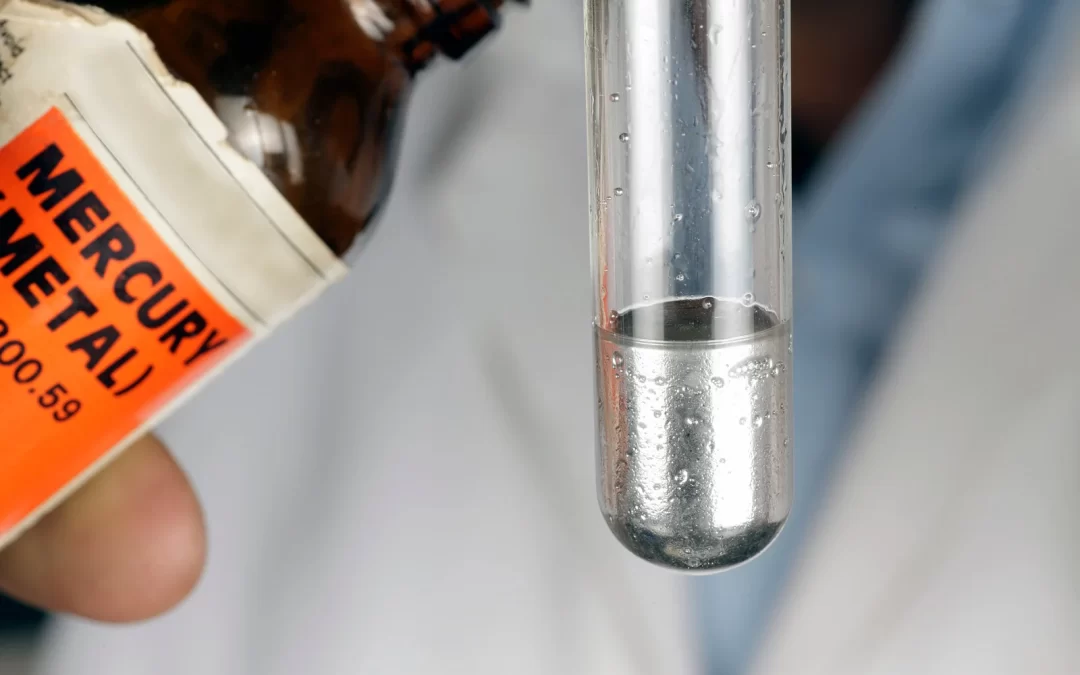
Mercury is a highly toxic heavy metal commonly used in industrial applications, including electrical switches, fluorescent lamps, batteries, thermometers, and certain manufacturing processes. While small quantities may be manageable, industrial mercury waste can pose serious health and environmental risks if mishandled.
For businesses in Coquitlam, understanding the proper handling, storage, and disposal of waste is essential. Improper disposal can lead to contamination of water sources, soil, and the air, creating long-term hazards for workers and the community. This guide explores best practices for safe industrial waste disposal and how to navigate hazardous waste regulations in Coquitlam.
1. Understanding the Risks of Mercury Waste
Mercury exposure can have severe consequences for human health and the environment:
- Health Risks: Mercury vapor or compounds can damage the nervous system, kidneys, and liver. Prolonged exposure can lead to cognitive impairments, tremors, and developmental issues in children.
- Environmental Risks: Mercury can accumulate in water and soil, eventually entering the food chain and affecting wildlife. Even small releases can have long-lasting impacts on local ecosystems.
Given these risks, proper management of waste is non-negotiable for any industrial or commercial facility.
2. Identifying Mercury-Containing Waste
The first step in safe disposal is identifying the materials that are contained. Common industrial sources include:
- Fluorescent and compact fluorescent lamps (CFLs)
- Mercury switches in machinery and vehicles
- Thermostats and thermometers
- Batteries and certain electrical equipment
- Laboratory chemicals and industrial catalysts
Businesses in Coquitlam must ensure that these materials are stored separately from regular waste to prevent contamination and accidental exposure.
3. Storage and Handling Best Practices
Safe storage and handling of waste is critical. Some best practices include:
- Use Proper Containers: Store mercury in airtight, corrosion-resistant containers with clear labeling.
- Secondary Containment: Place primary containers in a secondary container to prevent leaks or spills.
- Minimize Exposure: Handle mercury only in well-ventilated areas, and always wear appropriate personal protective equipment (PPE).
- Regular Inspection: Inspect storage areas frequently for leaks, corrosion, or damaged containers.
Implementing these precautions reduces the risk of accidental exposure and prepares the waste for safe disposal.
4. Compliance with Regulations
Mercury is classified as hazardous waste under both federal and provincial regulations. Businesses in Coquitlam must adhere to:
- WorkSafeBC guidelines for handling hazardous substances
- Provincial hazardous waste disposal laws
- Municipal requirements for hazardous waste drop-off and transportation
Following these regulations ensures your business remains compliant and avoids legal penalties while protecting employees and the environment.
5. Proper Mercury Waste Disposal Methods
Proper disposal of mercury involves carefully following established procedures. Best practices include:
- Segregation: Keep mercury waste separate from other waste types.
- Labeling: Clearly mark containers with contents, hazard level, and date of storage.
- Transport: Use licensed hazardous waste carriers to move mercury to authorized disposal facilities.
- Recycling: Whenever possible, mercury can be recovered and recycled, reducing environmental impact.
Commercial facilities in Coquitlam should integrate these steps into their waste management systems to maintain safety and efficiency.
6. Hazardous Waste Services in Coquitlam
For businesses generating mercury waste, partnering with certified hazardous waste management companies is the safest approach. Such companies offer services including:
- Collection and Transportation: Ensuring waste is moved safely to approved facilities.
- Disposal and Recycling: Properly handling hazardous materials in compliance with regulations.
- Training and Compliance Support: Helping staff follow safety protocols and maintain documentation.
Engaging professionals ensures that your waste is handled responsibly and mitigates potential risks.
7. Hazardous Waste Coquitlam
Companies in Coquitlam generating industrial mercury or other hazardous substances can benefit from professional hazardous waste Coquitlam services. These experts understand the complex regulations around toxic materials and provide solutions for safe storage, handling, and legal disposal.
8. Commercial Waste Disposal Coquitlam
For commercial facilities, commercial waste disposal Coquitlam services often include hazardous material management. By integrating disposal into your broader waste strategy, businesses can maintain a clean, safe, and compliant work environment.
9. Hazardous Waste Drop Off Coquitlam
In addition to on-site pickup services, many companies provide hazardous waste drop off Coquitlam options. This allows smaller businesses or organizations to safely deposit mercury and other hazardous substances at licensed facilities for proper processing.
10. Choosing a Reliable Disposal Partner
When dealing with industrial waste, selecting a reputable partner is critical. We provide safe and compliant disposal services for hazardous materials. Their team ensures that all industrial waste is handled, transported, and processed according to strict environmental and safety standards.
Contact Canadian Empire Recycling, which gives businesses in Coquitlam peace of mind, knowing that their hazardous waste is managed responsibly while staying fully compliant with regulations.
Industrial waste is a serious hazard, but with proper identification, handling, and disposal, businesses can protect employees, the community, and the environment. Following best practices, adhering to regulations, and working with trusted partners like Canadian Empire Recycling ensures safe and responsible waste management in Coquitlam.