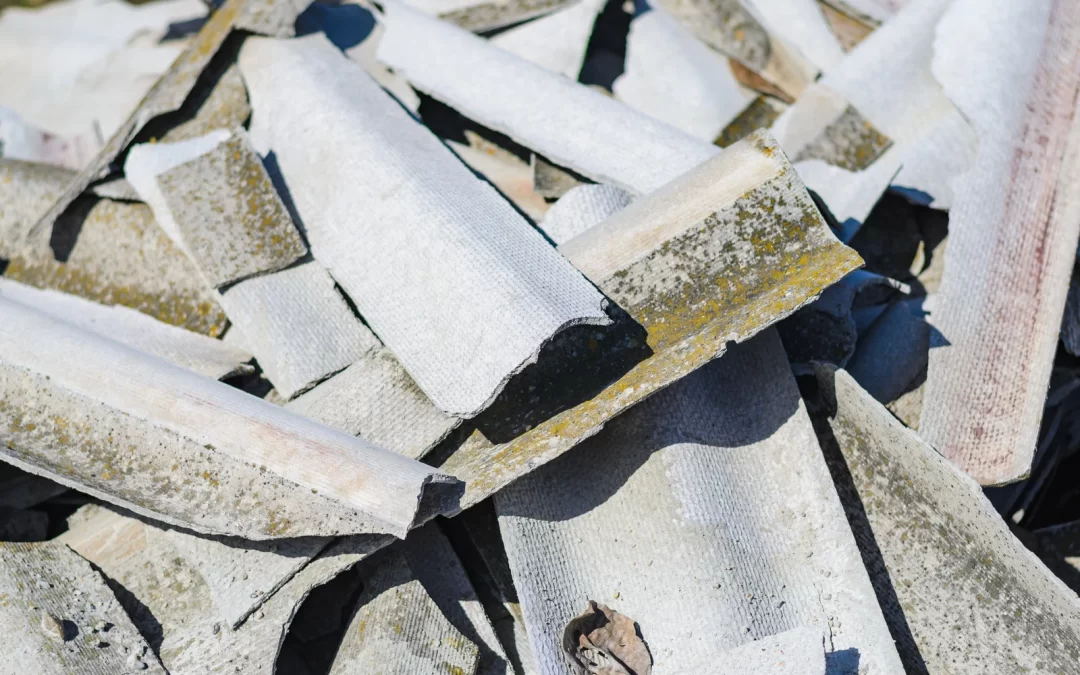
Asbestos may be banned in modern construction, but thousands of older homes across Coquitlam still contain asbestos-based materials. From insulation and textured ceilings to floor tiles, siding, and pipe wrap, asbestos remains one of the most dangerous materials homeowners can encounter during renovations or repairs. The risk is especially high when old materials are disturbed, releasing microscopic fibres into the air. Because these fibres can cause severe respiratory illnesses, including mesothelioma and lung cancer, proper handling and disposal are essential.
For Coquitlam homeowners planning renovations, upgrades, or cleanup projects, understanding how to manage asbestos safely is not just about compliance; it’s about protecting your home, your family, and the environment. This guide breaks down everything you need to know about staying safe from asbestos hazards.
Understanding the Risks of Asbestos Exposure
Asbestos is dangerous only when disturbed. Once fibres become airborne, people can unknowingly inhale them, leading to long-term health problems after repeated exposure. The challenge for homeowners is that asbestos cannot be identified by sight alone. Many older construction materials appear harmless until they are tested.
Some common asbestos-containing building materials found in Coquitlam homes include:
- Vinyl floor tiles and adhesives
- Popcorn ceilings
- Roof shingles
- Furnace insulation
- Drywall mud and joint compound
- Exterior siding
- Hot water tank insulation
- Pipe wrap
If you’re planning to cut, sand, drill, or demolish any old building material, assume asbestos may be present until proven otherwise.
Step 1: Always Start with Professional Testing
Before any renovation work begins, certified asbestos testing is essential. A trained inspector collects samples and sends them to an accredited lab to confirm whether asbestos is present. This step is both a legal and a safety requirement in British Columbia.
Testing avoids:
- Accidental exposure
- Illegal disposal
- Potential fines
- Environmental harm
- Costly project delays
For Coquitlam homeowners, testing is the most important first step toward a safe renovation.
Step 2: Hire Certified Abatement Professionals
If asbestos is confirmed, do not attempt DIY removal. Asbestos removal requires:
- Sealed containment zones
- Negative air pressure equipment
- HEPA vacuum systems
- Specialized protective gear
- Experienced and licensed abatement technicians
Certified abatement professionals ensure that the material is safely extracted, bagged, sealed, and prepared for proper disposal. They also provide documentation that the removal was completed following provincial regulations.
Managing Waste Properly: Why It Matters
Once asbestos-containing material has been removed from your home, it must be disposed of responsibly. This process is strictly controlled throughout British Columbia to prevent fibres from being released into the environment. Improper disposal, such as dumping in regular landfills, leaving debris outdoors, or using non-approved bags, can result in penalties and serious environmental risks.
By working with trained and approved disposal services, Coquitlam homeowners can ensure the waste is handled with care, transported safely, and disposed of at licensed facilities.
Asbestos Waste Disposal Coquitlam
Professional Asbestos Waste Disposal Coquitlam services ensure that removed materials are properly sealed, labelled, transported, and delivered to licensed disposal sites. Only approved facilities in the region can accept asbestos waste, and strict documentation is required to keep the process compliant and safe.
Hazardous Waste Disposal Coquitlam
Because asbestos is classified as a dangerous material, it falls under broader rules for Hazardous Waste Disposal Coquitlam. This means waste must be transported by certified carriers, handled with care, and never mixed with regular household garbage. Proper hazardous waste services help homeowners meet local environmental standards.
Step 3: Keep Your Family and Property Safe During Removal
Here are essential safety practices for homeowners during asbestos removal:
- Keep children and pets away from work zones
- Turn off HVAC systems to prevent fibre circulation
- Avoid entering the containment area
- Do not attempt to sweep or vacuum dust—only HEPA tools work
- Ensure windows and doors remain sealed in work zones
- Use only the designated entry/exit paths set up by the abatement team
Following these steps ensures minimal risk during removal.
Step 4: Maintain Good Indoor Air Quality After Removal
Once professionals complete the job, they perform air clearance testing to ensure the home is safe. Even after the project is done, homeowners can take steps to maintain healthier indoor air:
- Change furnace filters frequently
- Use HEPA air purifiers
- Keep windows open when possible
- Vacuum with HEPA-equipped machines
- Schedule routine inspections for older areas of the home
A clean, safe indoor environment is essential—especially after working with a hazardous material like asbestos.
Canadian Empire Recycling Helps Homeowners Dispose of Asbestos Safely
Homeowners requiring reliable and compliant disposal services can rely on Canadian Empire Recycling. They offer trusted pickup and safe handling solutions for asbestos waste, ensuring that everything is transported responsibly and disposed of in accordance with provincial regulations. Their team provides secure removal support, knowledgeable guidance, and responsive service throughout Coquitlam.
For safe, legal, and environmentally responsible asbestos waste removal and disposal, contact Canadian Empire Recycling. They provide efficient support, professional handling, and certified transportation services to ensure your Coquitlam home remains safe and compliant. Contact them today for expert assistance with asbestos or other hazardous waste.