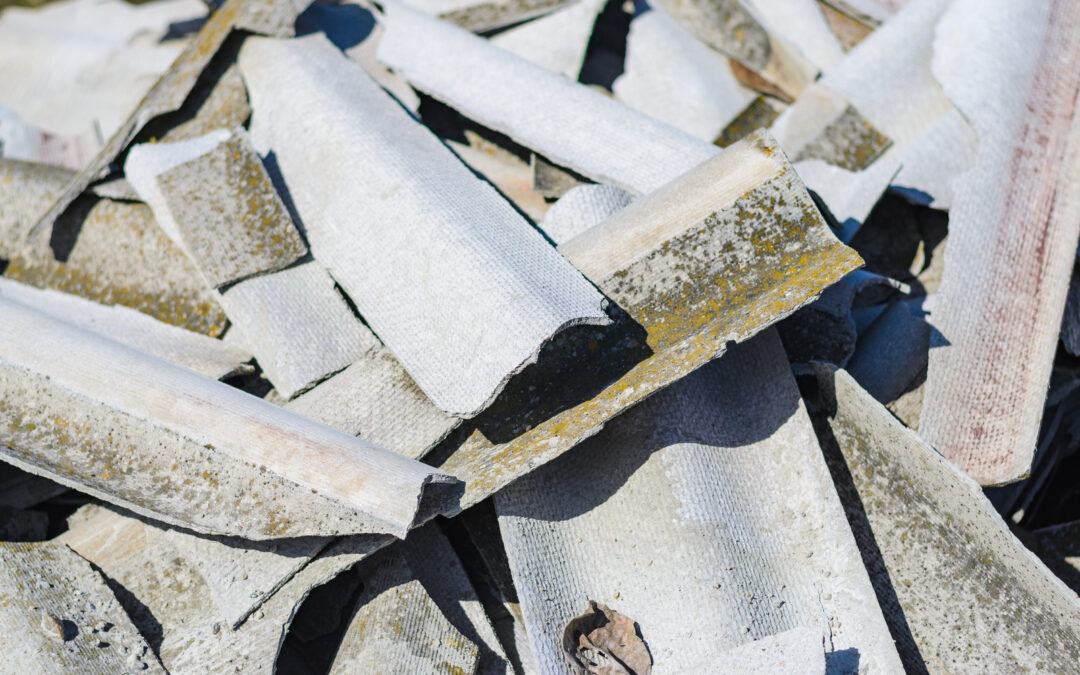
Asbestos was once a popular building material in Canada, prized for its fire resistance and insulation properties. But today, it’s recognized as a serious health hazard. In Coquitlam, where many older homes and commercial properties still contain asbestos-based materials, proper disposal is not just recommended; it’s legally required. Mishandling sheet can release toxic fibres into the air, putting your family, workers, and community at risk.
Understanding the Dangers of Asbestos
Asbestos is made up of microscopic fibres that can easily become airborne when disturbed during renovations, demolitions, or repairs. Once inhaled, these fibres can lodge in the lungs, leading to severe health issues such as:
- Asbestosis: A chronic lung condition caused by prolonged exposure.
- Lung Cancer: Asbestos exposure significantly increases the risk of developing cancer.
- Mesothelioma: A rare and aggressive cancer linked directly to asbestos inhalation.
These diseases often develop years after exposure, making early prevention and proper disposal essential. Even small-scale home projects can release hazardous asbestos dust if not handled correctly.
Where You Might Find Asbestos in Homes
Many homes and commercial buildings constructed before the 1990s in Coquitlam may still contain materials. Common locations include:
- Vinyl floor tiles and adhesive
- Popcorn ceilings and drywall joint compounds
- Pipe and boiler insulation
- Cement siding and roofing shingles
- Textured paints and plaster
Before starting any renovation or demolition work, it’s important to test for asbestos. A professional inspection can identify whether materials contain asbestos and how to remove or dispose of them safely.
Regulations for Asbestos Waste Disposal
In British Columbia, asbestos is classified as hazardous waste. This means its removal, transport, and disposal are strictly regulated by both WorkSafeBC and the BC Ministry of Environment.
Key requirements include:
- Identification and Assessment:
Before disturbing any suspected asbestos, a qualified professional must inspect and test the material. - Proper Removal by Certified Contractors:
Only licensed asbestos abatement professionals can legally remove and package waste. DIY removal is not recommended and may violate safety regulations. - Safe Containment and Transport:
Asbestos waste must be sealed in leak-proof, double-bagged containers with proper warning labels. Transporters must be authorized to handle hazardous waste. - Disposal at Approved Facilities:
Asbestos waste can’t be taken to regular landfills. It must go to approved hazardous waste disposal sites that follow strict containment procedures.
Failure to comply with these rules can result in hefty fines and health liabilities for homeowners, contractors, and businesses.
Why You Shouldn’t Try DIY Asbestos Disposal
While it may be tempting to save money by removing waste yourself, this approach can be extremely dangerous. Without the right training, protective equipment, and disposal methods, you risk contaminating your entire property and possibly neighbouring ones with fibres.
Additionally, disposing of asbestos in standard garbage bins or municipal collection systems is illegal. You could face penalties for improper disposal and create long-term environmental harm.
Professional disposal services ensure that:
- The area is sealed off and ventilated safely.
- Workers use proper personal protective equipment (PPE).
- Waste is contained and transported under provincial safety guidelines.
- All materials are disposed of at certified facilities.
In short, hiring experts isn’t just about convenience; it’s about safeguarding health, the environment, and compliance with the law.
Choosing a Reliable Asbestos Disposal Partner
When selecting a company for Asbestos Waste Disposal, look for:
- Experience and Certification: Ensure they have WorkSafeBC-approved training and hazardous waste Coquitlam permits.
- Transparent Procedures: They should explain their inspection, removal, and disposal process clearly.
- Proper Documentation: Reliable companies provide disposal certificates confirming materials were handled according to environmental standards.
- Eco-Friendly Practices: The best services minimize environmental impact by following green waste management protocols.
Partnering with a trusted waste management company ensures that every step from assessment to final disposal is completed safely and responsibly.
Protecting Coquitlam’s Environment and Community
Improper waste disposal doesn’t just endanger individual health; it can also contaminate soil and water sources, affecting Coquitlam’s wider environment. The city’s commitment to sustainability depends on safe waste management practices from residents and businesses alike.
By handling asbestos waste disposal Coquitlam the right way, you’re contributing to:
- Cleaner air and soil quality
- Safer workplaces and neighbourhoods
- Compliance with BC’s environmental protection laws
- A healthier community for future generations
Asbestos waste disposal is not something to take lightly. Whether you’re renovating an old home or managing a construction project, always treat asbestos-containing materials with caution and call in professionals who know how to handle them safely.
If you suspect your property contains asbestos or need help with disposal, contact Canadian Empire Recycling. Their team offers reliable, certified, and environmentally responsible waste management solutions tailored for residents and contractors.