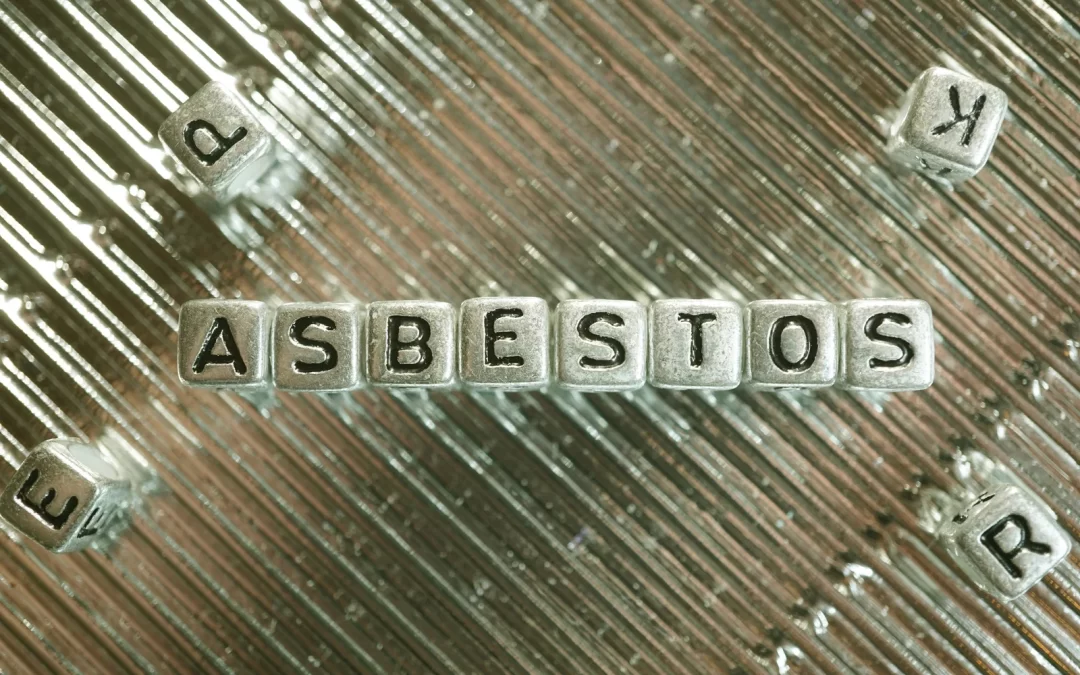
In Coquitlam’s growing commercial and industrial sectors, responsible waste management has become a defining part of business compliance. Among the most critical areas of concern is the handling and disposal of asbestos waste. Whether you manage a construction company, a renovation firm, or a property maintenance service, understanding and following local disposal regulations isn’t just a matter of environmental responsibility—it’s the law. Businesses that fail to comply can face serious penalties and endanger public health.
This blog explores what businesses need to know about asbestos waste disposal, why proper handling is essential, and how to ensure your operations stay compliant.
Understanding the Risks
Asbestos is a naturally occurring mineral once widely used in insulation, roofing, flooring, and fireproofing materials. When left undisturbed, it may not pose an immediate threat. However, during renovations, demolitions, or repairs, microscopic fibers can be released into the air. Inhalation of these fibers can lead to severe respiratory diseases, including asbestosis, lung cancer, and mesothelioma.
Because of these health risks, the City of Coquitlam and provincial regulators have strict laws governing how asbestos-containing materials (ACMs) are handled, transported, and disposed of. Businesses must be vigilant at every stage—from identifying contaminated materials to ensuring their safe removal and final disposal.
Identifying Asbestos in Your Workplace
Before any construction or renovation project begins, a professional asbestos inspection is mandatory for older buildings. A certified assessor collects samples from areas suspected to contain asbestos—such as insulation, ceiling tiles, floor coverings, or pipe wraps—and sends them to a lab for analysis.
If asbestos is confirmed, a qualified abatement contractor must be hired to remove or encapsulate the material safely. Attempting to handle these materials without proper training or protective gear can put workers and nearby residents at serious risk.
Disposal Rules and Legal Obligations
Asbestos is considered hazardous waste Coquitlam and must be treated accordingly. The BC Ministry of Environment outlines specific rules for its packaging, labeling, and transportation. Businesses must:
- Use approved bags or containers – Asbestos debris must be double-bagged in 6-mil polyethylene and sealed tightly to prevent fiber release.
- Label all packages clearly – Containers should display warning signs indicating the presence of asbestos waste.
- Use licensed haulers – Only carriers with proper permits can transport asbestos materials to approved disposal facilities.
- Provide documentation – A waste manifest must accompany every load, tracking its movement from the worksite to the disposal site.
Failure to meet these requirements can lead to fines, stop-work orders, or legal action. More importantly, it puts employees, waste handlers, and the general public at unnecessary risk.
Where Does the Waste Go?
Once collected, asbestos-containing waste must be taken to an authorized landfill equipped to handle it safely. These landfills have designated cells lined to prevent leaks or contamination. The waste is buried immediately and covered to ensure fibers cannot escape into the air.
Businesses cannot dispose of asbestos waste in regular garbage or recycling bins. Doing so violates environmental laws and can result in substantial penalties. Always verify that your disposal partner is approved by both municipal and provincial authorities.
Training and Safety for Employees
Every business that handles materials containing asbestos should invest in worker safety training. This includes education on identifying asbestos-containing materials, understanding the correct use of personal protective equipment (PPE), and following containment procedures during abatement.
WorkSafeBC requires employers to have an exposure control plan in place. This plan should outline how the business will prevent fiber release, protect workers, and dispose of asbestos waste responsibly. Regular updates and audits help ensure ongoing compliance.
Environmental Responsibility and Reputation
Beyond legal compliance, following asbestos waste disposal rules demonstrates your business’s commitment to sustainability and community well-being. Clients and partners increasingly prefer working with environmentally conscious companies. Safe waste practices show integrity, professionalism, and respect for the local environment.
When businesses prioritize responsible disposal, they help protect soil, water, and air quality. Every effort contributes to a cleaner and safer community, something that benefits residents, businesses, and future generations alike.
Partnering with Licensed Professionals
If your company generates or manages construction waste in Coquitlam that may contain asbestos, partnering with an experienced disposal provider is the safest choice. Licensed experts understand the regulations, handle materials carefully, and ensure everything is documented properly. This saves your team time, prevents legal complications, and guarantees that your waste is disposed of according to provincial and municipal standards.
Reliable waste disposal services can also assist with sorting, packaging, and transportation, giving you peace of mind that no step is overlooked. Working with professionals also helps protect your staff from unnecessary exposure risks.
Building a Safer, Cleaner
Proper asbestos waste disposal Coquitlam is more than just a business obligation; it’s a civic duty. By staying informed and compliant, companies contribute to ongoing efforts to maintain a safe and sustainable environment. Ensuring that waste materials are collected, contained, and transported correctly prevents pollution and supports long-term public health.
Businesses looking to improve their waste management practices or seeking expert assistance can contact Canadian Empire Recycling. Their team offers professional collection and disposal solutions that meet all provincial safety standards. With a focus on environmental protection and regulatory compliance, they help companies manage waste efficiently while keeping the community safe.